
A cystic pimple that you leave alone — no squeezing, no picking — will typically last anywhere from one to six weeks, though larger and deeper cysts can stubbornly hang around for months. The timeline depends heavily on the size of the lesion, how deep it sits beneath the skin, and your body’s individual healing response. Someone dealing with a small, relatively superficial cystic bump might see it resolve in two to four weeks, while a deep, marble-sized cyst lodged along the jawline could take well over a month to flatten out, even partially.
The frustrating reality is that cystic acne often does not fully resolve on its own without treatment. Unlike a standard whitehead that surfaces, drains, and heals within a week, cystic pimples form deep beneath the skin and lack a visible opening — meaning there is nothing to pop in the first place. This article breaks down the actual healing timeline you can expect when you resist the urge to squeeze, why popping makes things worse, what professional treatments can do to speed things up dramatically, and what at-home strategies are actually worth trying.
Table of Contents
- How Long Does an Untreated Cystic Pimple Last Compared to Other Breakouts?
- Why Popping a Cystic Pimple Backfires Every Time
- How Cortisone Injections Can Shrink a Cyst in Under 48 Hours
- Prescription Treatments and Their Realistic Timelines
- What You Can Do at Home Without Making Things Worse
- When a Cystic Pimple Is Not Actually a Pimple
- The Long Game With Cystic Acne
- Conclusion
- Frequently Asked Questions
How Long Does an Untreated Cystic Pimple Last Compared to Other Breakouts?
A regular whitehead or pustule tends to cycle through its lifespan in about five to seven days. A cystic pimple operates on a completely different timeline. These lesions can grow as large as a quarter and sit so deep in the dermis that the body’s normal process of pushing debris to the surface simply does not work the same way. Smaller, more superficial cystic lesions may heal within two to four weeks, but larger, deeply embedded ones routinely take four or more weeks — and some persist for months without intervention. What makes this particularly difficult is that the visible inflammation is only part of the story. Even after the surface redness and swelling fade, healing continues beneath the skin.
The cyst wall may still be intact under the surface, which is why the same spot can flare up repeatedly over weeks or months. Compare this to a papule, which might leave a faint red mark for a few days after it flattens, and the difference is stark. With cystic acne, people frequently report dealing with the same lesion, on and off, for an entire season. It is also worth noting that repeated flare-ups at the same location are common with cystic acne. If a cyst recedes but the underlying sac remains, it can refill with sebum and inflammatory material. In these cases, the problem can stretch not just for weeks but for years without professional treatment.

Why Popping a Cystic Pimple Backfires Every Time
The instinct to squeeze a painful lump on your face is completely understandable, but with cystic acne, it is one of the worst things you can do. Unlike whiteheads, cystic pimples do not have a visible head or opening. There is no pore pathway to the surface, so squeezing does not release anything — it just drives the inflammation deeper into surrounding tissue. The result is more swelling, more pain, a longer healing timeline, and a significantly higher risk of permanent scarring. When you apply pressure to a cyst, you can rupture the cyst wall beneath the skin.
This spills its contents — bacteria, dead skin cells, and sebum — into the surrounding dermis, triggering a more aggressive immune response. What might have been a three-week cyst can turn into a six-week ordeal with a dark mark or depressed scar that lasts far longer than the pimple itself. Infection is another real risk, especially if you are using unsterilized tools or dirty fingers. However, if you notice a cystic bump that develops a white or yellowish point at the surface after several days, it may be transitioning into a more superficial lesion. Even in this case, dermatologists recommend leaving it alone or applying a warm compress rather than squeezing. The only person who should lance or extract a cyst is a board-certified dermatologist working with sterile instruments.
How Cortisone Injections Can Shrink a Cyst in Under 48 Hours
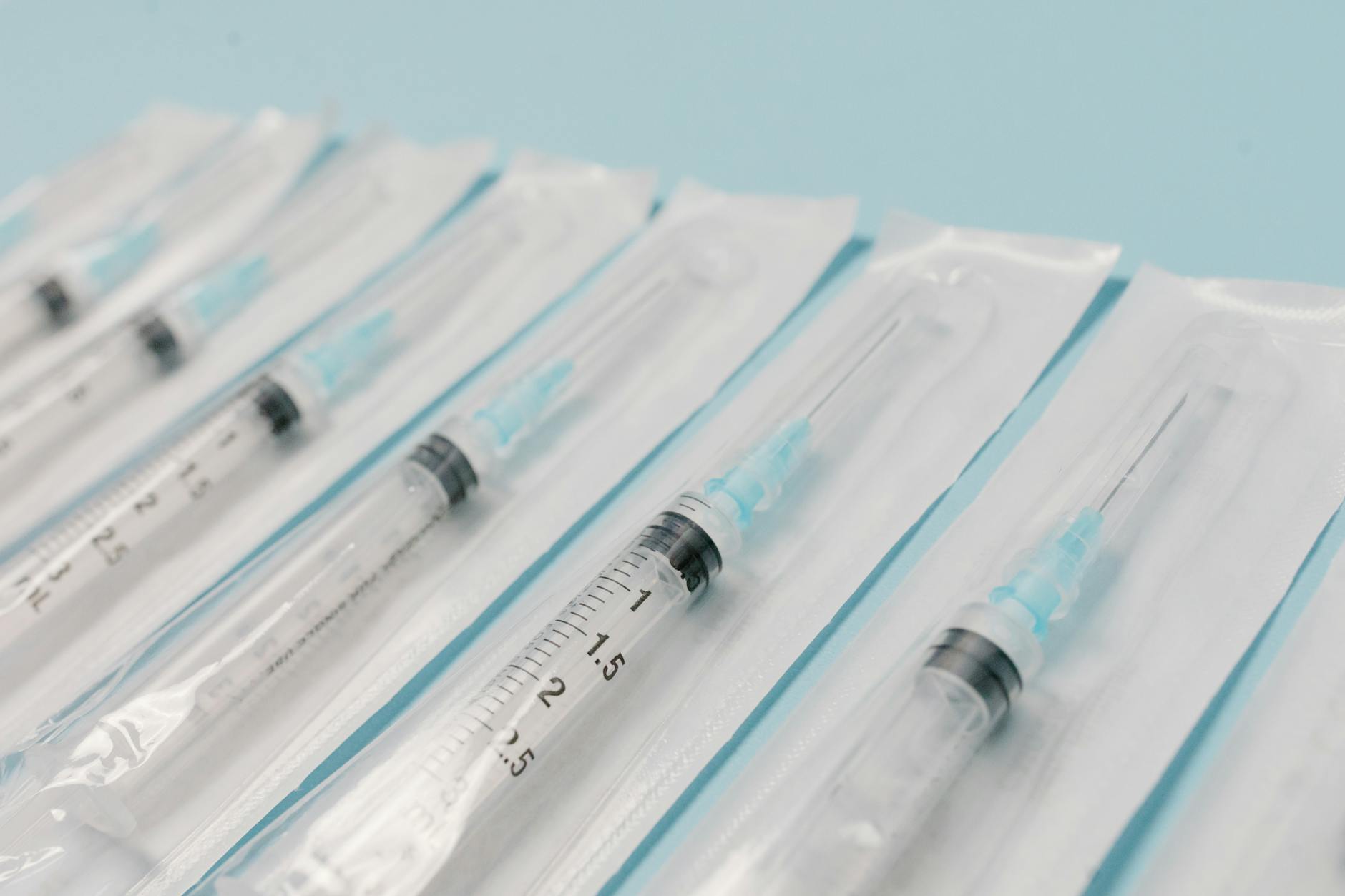
For anyone sitting with a painful, swollen cyst that shows no signs of budging, a cortisone injection — also called an intralesional steroid injection — is the fastest available treatment. A dermatologist injects a diluted corticosteroid directly into the cyst, and swelling typically begins to reduce within 24 to 48 hours. For people dealing with a cyst before a wedding, a job interview, or any high-visibility event, this is often the go-to option. The injection works by rapidly calming the inflammatory response inside the lesion.
It does not remove the cyst contents entirely, but it dramatically reduces the redness, pain, and size. One specific limitation to be aware of is the risk of skin atrophy — a small dent or depression at the injection site — if the steroid concentration is too high or the injection is placed too superficially. This side effect is usually temporary but can take weeks to fill back in. Cortisone shots are also not a long-term acne management strategy. They treat individual lesions reactively and do nothing to prevent new cysts from forming.
Prescription Treatments and Their Realistic Timelines
If you are dealing with recurring cystic breakouts rather than the occasional one-off, a dermatologist will likely recommend a prescription-based treatment plan. The two main pathways are oral antibiotics combined with topical prescriptions, and isotretinoin. Understanding their timelines helps set realistic expectations rather than abandoning a treatment too early. Oral antibiotics paired with topical retinoids or benzoyl peroxide typically take two to three months before visible improvement begins, and up to six months to substantially clear cystic acne. Isotretinoin — commonly known by the former brand name Accutane — is considered the most effective treatment for severe cystic acne.
It shows peak effect around the 12-week mark, with severe cases requiring six months to a year on a low-dose regimen. The tradeoff with isotretinoin is significant: it comes with mandatory blood monitoring, a long list of potential side effects including dry skin and lips, joint pain, and mood changes, and it requires strict pregnancy prevention protocols. By contrast, over-the-counter acne treatments require eight to twelve weeks of consistent use to show results for mild acne — but they are generally ineffective for cystic acne specifically. Benzoyl peroxide washes and salicylic acid pads simply cannot penetrate deep enough to reach the root of a cyst. Spending months on drugstore products while a cyst worsens is a common frustration that delays effective care.
What You Can Do at Home Without Making Things Worse
While at-home care alone cannot resolve cystic acne, a few strategies can support healing and reduce discomfort while you wait for a dermatology appointment or for prescription treatments to take effect. The most consistently recommended approach is applying a clean, warm compress to the affected area for 10 to 15 minutes several times a day. The warmth increases blood flow to the area and can promote natural drainage if the cyst is close enough to the surface. A low-glycemic diet, adequate sleep, and stress management also support the body’s healing process, though they are not a substitute for medical treatment.
Some research links high-glycemic foods and dairy to increased acne severity, so reducing sugar, white bread, and processed foods may help reduce flare-ups over time. However, if you are relying exclusively on dietary changes and warm compresses to manage cystic acne, be aware that this approach has clear limitations. OTC creams and face washes alone cannot treat cystic acne — dermatologist care is strongly recommended for anyone dealing with deep, recurring lesions. One common mistake is layering on multiple harsh spot treatments — piling salicylic acid, benzoyl peroxide, and tea tree oil on the same cyst in frustration. This frequently leads to chemical burns, peeling, and irritation on the surrounding skin without doing anything meaningful to the cyst beneath it.
When a Cystic Pimple Is Not Actually a Pimple
Not every painful lump beneath the skin is a cystic pimple. Boils, lipomas, sebaceous cysts, and even certain skin infections can mimic the appearance and feel of cystic acne. A boil, for example, is caused by a bacterial infection in a hair follicle and may develop a drainable head within a few days, unlike a true cystic pimple.
Sebaceous cysts are non-inflammatory and tend to feel like small, movable marbles under the skin. If a bump persists for more than a few weeks without any change, grows rapidly, or is accompanied by fever or warmth spreading beyond the immediate area, it is worth getting evaluated by a doctor sooner rather than later. A persistent lump that does not follow the typical cystic acne trajectory may require a different treatment approach entirely.
The Long Game With Cystic Acne
Cystic acne is increasingly understood as a chronic condition for many people, not a one-and-done problem. Hormonal fluctuations, genetics, and environmental factors mean that even after successful treatment, maintenance strategies are often necessary to prevent recurrence.
Dermatologists are moving toward longer-term, lower-intensity treatment protocols — including low-dose isotretinoin, spironolactone for hormonal acne, and combination topical regimens — rather than short bursts of aggressive treatment. The most productive thing someone with cystic acne can do is shift from thinking about individual pimples to managing the condition as a whole. Waiting out each cyst for weeks without professional help allows scarring to accumulate, while early intervention with a dermatologist can prevent both the breakouts and the lasting marks they leave behind.
Conclusion
A cystic pimple left alone without popping will typically last one to six weeks, though deeper or more severe lesions can persist for months. The single most important thing to understand is that there is nothing to pop — attempting to squeeze a cyst only pushes inflammation deeper, extends healing time, and raises the risk of permanent scarring. Warm compresses, gentle skincare, and patience can help in the short term, but they are not a long-term solution.
Professional treatment remains the most reliable path to resolving cystic acne and preventing the scarring that comes with repeated flare-ups. Cortisone injections offer near-immediate relief for urgent situations, while prescription medications like isotretinoin address the root causes over a period of months. If you are dealing with recurring cystic breakouts, scheduling a dermatology appointment is the most impactful step you can take — and the sooner you do it, the less scarring you are likely to accumulate.
Frequently Asked Questions
Can I put a pimple patch on a cystic pimple?
Hydrocolloid pimple patches are designed for surface-level blemishes that have already come to a head. Because cystic pimples sit deep beneath the skin and have no visible opening, these patches generally do not draw out any material. They can protect the area from picking and may reduce friction from clothing or pillowcases, but they will not speed up healing of a true cyst.
How can I tell if my bump is cystic acne or a regular pimple?
Cystic pimples are typically large, painful, and deep — you can feel them as firm lumps beneath the skin without a visible whitehead. Regular pimples are more superficial, often develop a head within a day or two, and are less painful to the touch. If your bump is larger than a pencil eraser and has no head after several days, it is likely cystic.
Will ice help shrink a cystic pimple?
Applying ice wrapped in a cloth for five to ten minutes can temporarily reduce swelling and numb pain, but it will not treat the underlying cyst. It is a reasonable comfort measure, not a cure. Alternating between ice and warm compresses throughout the day is a common approach to manage both pain and promote blood flow.
Does cystic acne always leave scars?
Not always, but the risk is significantly higher than with other acne types. Deep inflammation damages the surrounding skin tissue, and picking or squeezing multiplies that risk. Early professional treatment — particularly cortisone injections for active cysts and isotretinoin for chronic cases — is the best way to minimize scarring.
At what age does cystic acne typically stop?
There is no universal age. While cystic acne is most common during the teenage years and early twenties, many people — particularly women dealing with hormonal fluctuations — experience it well into their thirties and forties. Hormonal cystic acne along the jawline and chin is especially common in adult women and often requires targeted treatment with medications like spironolactone.