How Lifestyle Stress Reflects on Skin
When you’re under stress, your body releases cortisol, a hormone that triggers a cascade of changes affecting your skin. Understanding this connection helps explain why your complexion often looks worse during demanding periods, even when you’re following your regular skincare routine.
Stress increases inflammation throughout your body, and your skin bears the visible consequences. Chronic low-grade inflammation damages your skin barrier and slows down the repair process, making your skin more reactive and prone to redness and irritation. This inflammatory response is one reason why stressed skin often looks angry and reactive.
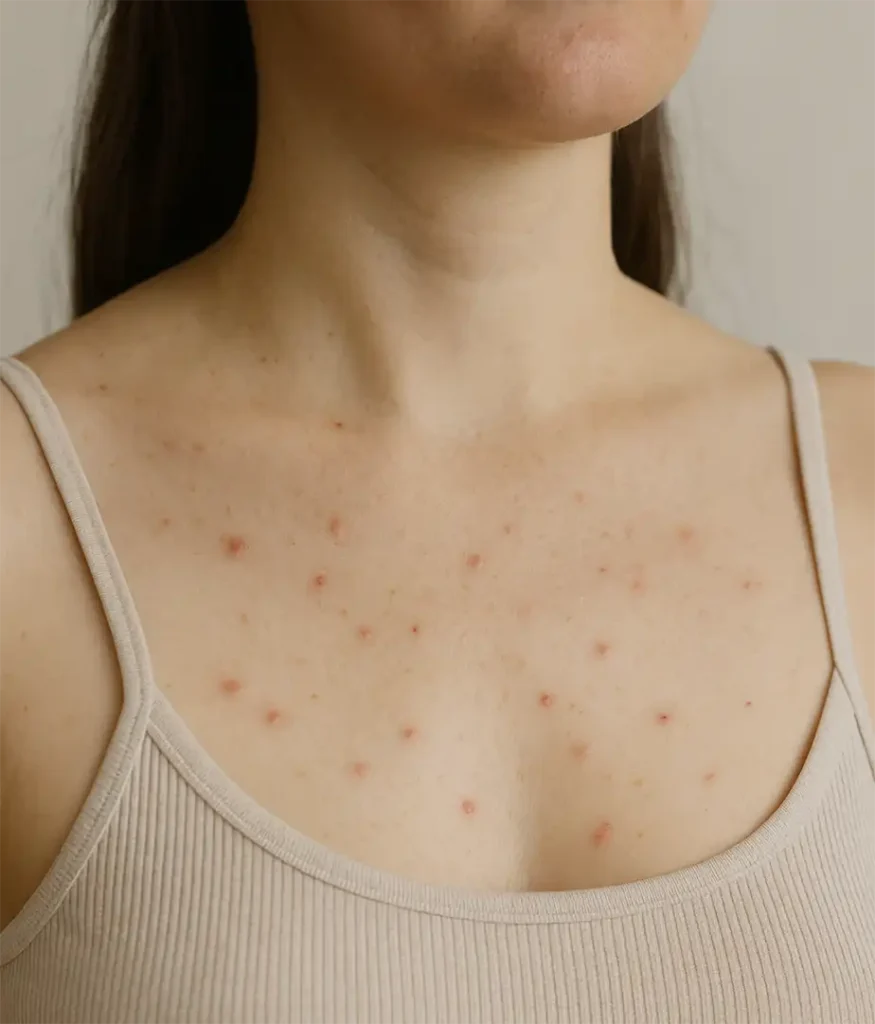
One of the most noticeable effects of stress is increased breakouts. When cortisol levels rise, your body produces more oil and sebum. This excess oil clogs your pores, creating the perfect environment for acne to flourish, particularly along the jawline and cheeks. If you’ve noticed that breakouts appear despite maintaining a solid skincare routine, stress may be the hidden culprit.
Stress also disrupts your blood sugar balance. When blood sugar spikes, a process called glycation occurs, which stiffens collagen fibers and makes your skin look less supple and more dull. Over time, this contributes to a loss of that youthful bounce and glow.
Your skin’s structure suffers under chronic stress because cortisol breaks down collagen and elastin while simultaneously slowing the production of new collagen. This dual attack accelerates the appearance of fine lines, wrinkles, and sagging, particularly around the jawline and eyes. The skin loses its firmness and resilience, making you look older than you actually are.
Stress weakens your skin barrier, making it harder for your skin to retain moisture and protect itself from environmental damage and pollution. This barrier breakdown leads to dehydration, which makes fine lines and wrinkles more prominent and visible. Your skin becomes thinner, tighter, and less elastic as hydration levels drop.
Stress also affects your skin at the microscopic level. Cortisol and adrenaline change your skin’s pH and lipid composition, disrupting the delicate balance of your skin’s microbiome. This disruption can further compromise your skin’s ability to defend itself and maintain health.
Poor sleep is another consequence of stress that directly impacts your skin. When you don’t sleep well, your skin regeneration slows down and water loss from the skin increases. This alone can add years to your appearance. Additionally, stress causes facial puffiness through fluid retention, creating that puffy, tired look even when you’ve technically gotten enough rest.
Cellular turnover also slows when you’re stressed or overworked. Your skin becomes stuck in a state where new skin cells aren’t replacing old ones as efficiently. The result is flat, lackluster, and tired-looking skin despite adequate sleep.
Common signs that stress is showing on your skin include a worse complexion during stressful periods, breakouts despite a good routine, morning puffiness, feeling wired but tired, and poor or broken sleep. These signs often appear together, creating a perfect storm of stressed-out skin.
It’s important to understand that while cortisol face isn’t a formal medical diagnosis, the effects of cortisol on skin are very real and well documented by science. The biology behind stress-related skin changes is genuine, even though social media popularized the term.
The impact of stress on skin extends beyond appearance. The physical changes create a feedback loop where you look stressed, feel stressed, and produce more cortisol. This cycle affects not just your skin but also your mental health and metabolic well-being. Breaking this cycle requires addressing the internal stress response, not just treating the external symptoms.
Sources
https://www.alisonbladh.com/post/cortisol-face-and-skin-ageing-how-stress-shows-on-your-skin
https://jevie.skin/blogs/most-recent/stress-skin-balance-how-your-lifestyle-shows-up-on-your-face
https://thegoodhygiene.com/blogs/news/inflammaging-chronic-stress-makes-you-look-older