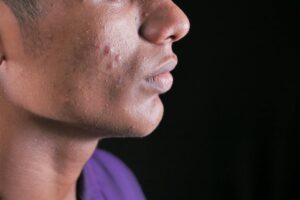
How Irritation Leads to Acne Treatment Failure
When someone starts treating acne, they often expect quick results. But many people find their treatments stop working or make things worse. One major reason this happens is skin irritation. Understanding how irritation sabotages acne treatment can help you avoid common mistakes and get better results.
The Irritation Trap
Acne treatments work by targeting the root causes of breakouts. Retinoids, benzoyl peroxide, and other common acne medications are effective, but they come with a cost: they can irritate your skin. When your skin becomes irritated, it triggers inflammation. This inflammation is exactly what acne treatments are trying to reduce in the first place. So ironically, the treatment itself can create the very problem it is meant to solve.
Topical retinoids like tretinoin are a cornerstone of acne treatment, but the irritation and drying they cause often lead people to stop using them. When patients abandon their treatment because of discomfort, acne has a chance to come back stronger. This creates a cycle where irritation prevents the medication from working long enough to show real improvement.
Over-Washing and Barrier Damage
One of the biggest mistakes people make is washing their face too often when they have acne. The logic seems sound: more washing means cleaner skin and fewer breakouts. But this approach backfires. When you wash your face excessively, you break down your skin barrier. This protective layer keeps bacteria and irritants out. Once it is damaged, bacteria can cause more inflammation, and your skin produces extra oil to compensate for the dryness. More oil means more clogged pores and more acne.
Using Too Many Products at Once
Another common error is combining multiple acne treatments simultaneously. People might use several topical creams, scrubs, and over-the-counter products all at the same time, thinking more products will work faster. Instead, this approach overwhelms the skin with irritating ingredients. Each product adds another layer of potential irritation, and the cumulative effect can damage your skin barrier and trigger inflammation that makes acne worse.
How Irritation Prevents Healing
Your skin needs time and calm conditions to heal from acne. When irritation is present, your body’s healing response gets disrupted. The inflammation from irritation interferes with the natural processes that would otherwise resolve acne lesions. Additionally, irritated skin is more vulnerable to bacteria and other irritants, making it easier for new breakouts to form.
Irritating products can also prolong inflammation and impede normal healing processes. If you are using harsh cleansers, strong exfoliants, or multiple active ingredients, your skin stays in a state of irritation rather than recovery. This means acne treatments never get a chance to work effectively because the skin is too busy dealing with irritation.
Sun Damage and Irritation
Sun exposure during and after active acne treatment can worsen both the redness from post-inflammatory erythema and associated skin discoloration. When your skin is already irritated from acne treatment, sun damage adds another layer of inflammation. This combination can extend the time it takes for your skin to heal and can make acne appear worse.
The Role of Skin Sensitivity
Some people’s skin is naturally more reactive and prone to irritation. Genetic factors influence how your skin responds to inflammation and how well it heals from injury. If you have a family history of sensitive skin or prolonged skin problems, you may be more susceptible to irritation from acne treatments. This does not mean you cannot treat acne, but it does mean you may need gentler approaches or professional guidance to find what works for your specific skin type.
Finding the Right Balance
The key to successful acne treatment is finding products and routines that work without causing excessive irritation. This often means starting with lower concentrations of active ingredients and gradually increasing strength as your skin builds tolerance. It means using a gentle cleanser once or twice daily rather than washing constantly. It means avoiding the temptation to layer multiple treatments and instead focusing on a simple, consistent routine.
When treatments fail, it is often not because the medication does not work, but because irritation has prevented your skin from tolerating the treatment long enough to see results. By understanding how irritation sabotages acne treatment, you can make smarter choices about your skincare routine and give your acne treatment a real chance to succeed.
Sources
https://pmc.ncbi.nlm.nih.gov/articles/PMC12735603/
https://www.tuftsmedicine.org/about-us/news/acne-over-30
https://www.citymapia.com/muscat/enfield-royal-clinic-oman/blog/dermatologists-reveal-why-13087
https://jddonline.com/acne-resource-center-articles/
https://dermodirect.com.au/fungal-acne-malassezia-folliculitis-guide/