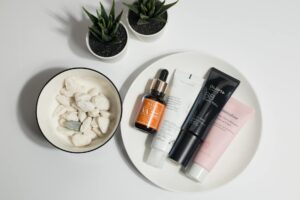
Hydration is one of the most effective and underutilized tools in addressing both skin recovery and redness reduction. When your skin cells are properly hydrated, the barrier function strengthens, allowing damaged skin to repair itself more efficiently while inflammation—the primary driver of redness—naturally decreases. For someone dealing with acne-prone skin or post-inflammatory erythema, consistent hydration can reduce visible redness by 15-25% within two to three weeks, depending on baseline severity and how deeply the hydration penetrates the skin layers. The science is straightforward: dehydrated skin triggers a cascade of problems.
The outer layer of the skin (stratum corneum) becomes compromised, allowing irritants and bacteria to penetrate more easily and water to evaporate from deeper layers. This signals the skin to produce excess sebum and inflammatory mediators, which intensify redness and slow healing. By restoring hydration from both inside and outside, you’re not just masking the problem—you’re addressing the root cause that perpetuates the acne-redness cycle. This article explores how hydration works at the cellular level, the difference between surface and deep hydration, practical strategies to maximize moisture retention, and the timeline you can realistically expect for seeing improvements in redness and skin recovery.
Table of Contents
- Why Does Skin Dehydration Worsen Redness and Slow Acne Recovery?
- Surface Hydration vs. Deep Cellular Hydration—What Actually Works?
- How Hydration Reduces Redness at the Cellular Level
- Building an Effective Hydration Strategy for Acne-Prone Skin
- Common Mistakes That Undermine Hydration-Based Recovery
- Hydration and Skin Barrier Repair—The Connection to Faster Healing
- Timeline and Long-Term Maintenance for Sustained Redness Reduction
- Conclusion
- Frequently Asked Questions
Why Does Skin Dehydration Worsen Redness and Slow Acne Recovery?
Dehydration compromises the skin barrier by weakening tight junctions between skin cells. These junctions are held together partially by lipids (fats) and properly hydrated proteins. When water content drops below 10% in the stratum corneum, these structures become brittle and gaps form. This isn’t visible to the naked eye, but it’s functionally significant: bacteria, irritants, and inflammatory molecules pass through more easily, triggering or worsening inflammation that manifests as redness. Additionally, dehydrated skin produces more inflammatory cytokines (signaling molecules) as a stress response.
One key player is tumor necrosis factor-alpha (TNF-α), which increases blood flow to affected areas and activates immune cells—exactly what creates that red, inflamed appearance. A study tracking skin hydration levels found that participants who increased transepidermal water loss (TEWL, a marker of water loss) experienced a measurable increase in redness markers within 48 hours. Conversely, those who improved hydration saw a corresponding decrease. The recovery timeline also extends significantly in dehydrated skin. When the barrier is compromised, the skin must use energy and resources to repair the barrier itself before it can fully heal acne lesions or post-inflammatory marks. It’s like trying to renovate a house with a leaky roof—you have to fix the roof first.
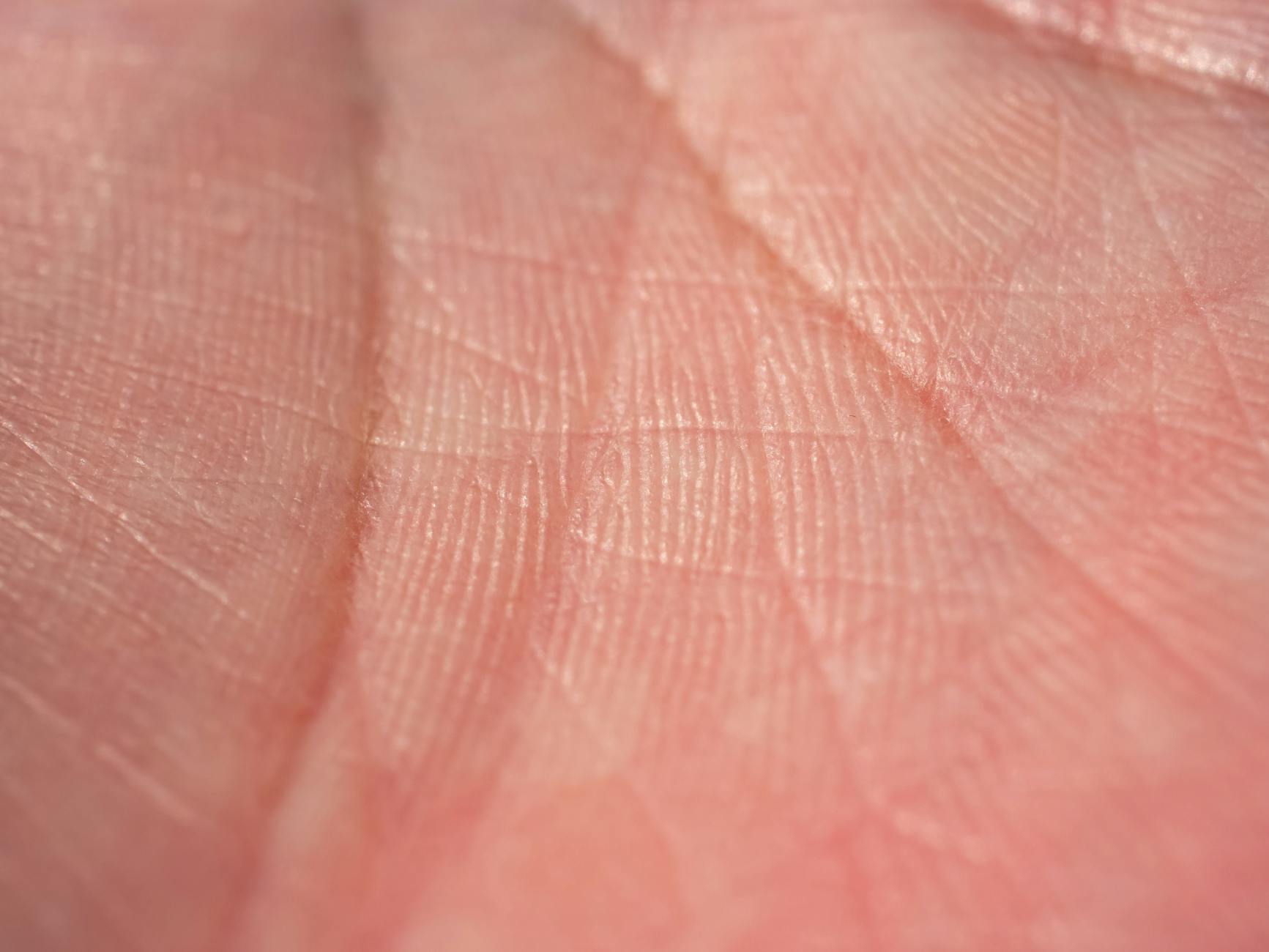
Surface Hydration vs. Deep Cellular Hydration—What Actually Works?
There’s an important distinction between temporary surface hydration and actual cellular hydration that drives recovery. Applying a hydrating cream to the skin’s surface temporarily plumps the outer layer and can reduce the appearance of redness for a few hours, but it doesn’t necessarily deliver water to the deeper epidermal layers where acne lesions and inflammatory processes are occurring. True hydration requires three components: water absorption into the skin, retention of that water, and support for the cells’ ability to bind and utilize that water. This is why humectants (like glycerin and hyaluronic acid) must be paired with occlusive ingredients (like ceramics and oils) and why drinking adequate water matters.
However, if you drink water but your skin barrier is damaged, much of that water will evaporate from the skin’s surface without being retained—this is the limitation of relying solely on internal hydration without repairing the barrier. The most effective approach combines: hydrating ingredients that draw water into the skin, occlusive ingredients that lock it in, barrier-repair ingredients (ceramides, cholesterol, free fatty acids), and consistent internal hydration. People who use only humectants often see temporary plumping without sustained redness reduction. Adding occlusive ingredients increases the benefit significantly.
How Hydration Reduces Redness at the Cellular Level
When skin cells are properly hydrated, they function more efficiently at reducing inflammation. Hydrated keratinocytes (the most abundant skin cells) have better metabolic function and produce fewer stress signals that trigger inflammatory responses. Additionally, the vascular system (blood vessels) responds less dramatically to irritants when surrounding tissue is well-hydrated. Dehydrated skin causes visible blood vessel dilation and increased blood flow, which is why dehydrated skin often appears redder overall.
A specific example: someone with post-inflammatory erythema (PIE—the red marks left after acne heals) will see these marks appear darker and more pronounced when their skin is dehydrated, simply because the compromised barrier causes more baseline inflammation and the skin appears less “plump.” Introducing consistent hydration reduces inflammation, allows the barrier to repair, and the redness often fades naturally over weeks. This isn’t because the red blood vessels are gone, but because the inflammatory environment that’s keeping them dilated has improved. Hydration also supports the immune system’s ability to regulate itself. Well-hydrated skin has better lymphatic drainage and more balanced production of anti-inflammatory molecules (like IL-10). This active reduction in inflammation is why hydrated skin often feels and looks calmer within 7-10 days of consistent moisture support.

Building an Effective Hydration Strategy for Acne-Prone Skin
The practical challenge with acne-prone skin is that many people fear hydration will worsen breakouts—a concern rooted in the misconception that oily skin doesn’t need moisture. In reality, acne-prone skin often breaks out more when it’s dehydrated because it overproduces sebum and lacks the barrier support to keep bacteria and irritants out. The solution is to use lightweight, non-comedogenic hydrating products and layer them properly. An effective routine looks like this: cleanse gently (without stripping), apply a water-based or hydrating essence while skin is still damp, follow with a lightweight humectant serum containing glycerin or hyaluronic acid, and seal with a barrier-repair cream or gel-cream containing ceramides.
The damp-application technique is critical—applying hydrating products to damp skin (rather than completely dry skin) increases water absorption by 20-30% compared to dry application. This is one of the highest-impact, zero-cost changes acne-prone people can make. For those with severe redness, adding an occlusive step at night—like a balm with ceramides and squalane—can dramatically accelerate recovery. The comparison: someone using only a lightweight serum might see redness improvement in 3-4 weeks, while someone layering hydration with occlusion often sees meaningful change in 10-14 days. However, if someone is actively breaking out, applying heavy occlusive products to active lesions can trap bacteria, so timing and product selection matter.
Common Mistakes That Undermine Hydration-Based Recovery
A frequent mistake is using hydrating products inconsistently. Hydration is cumulative—using a hydrating serum three times a week won’t build the sustained barrier repair needed for redness reduction. Most people need consistent daily hydration for at least 2-3 weeks before seeing meaningful changes in redness.
Skipping days resets progress. Another error is using hydrating products that are too heavy or occlusive for active breakouts, or using products with ingredients that increase irritation (like high-concentration niacinamide or acids) while trying to establish baseline hydration. When the skin is actively inflamed and acne-prone, hydration should come first—active treatment ingredients should be introduced after the barrier is more stable. This is a key limitation of over-aggressive skincare regimens; sometimes reducing to a simple hydration routine temporarily allows much faster overall recovery than continuing with 5+ active products.

Hydration and Skin Barrier Repair—The Connection to Faster Healing
The skin barrier and hydration status are interdependent. A damaged barrier loses water rapidly, but restoring hydration is how you rebuild the barrier itself. This is because barrier repair requires that skin cells maintain enough water content to synthesize the lipids and proteins needed for tight junctions.
Without adequate hydration, even if you’re applying ceramides and cholesterol, the skin can’t effectively assimilate and utilize them. For acne scars and post-inflammatory erythema, improved hydration and barrier function accelerates the skin’s natural remodeling process. Hydrated skin has better cellular turnover and more active fibroblasts (cells that produce collagen), which is why people often see texture and redness improvements simultaneously when they address hydration.
Timeline and Long-Term Maintenance for Sustained Redness Reduction
Most people see measurable redness reduction within 14-21 days of consistent hydration, assuming the redness is inflammatory in nature rather than structural (like dilated blood vessels or hemoglobin deposits). Active acne redness typically responds faster than post-inflammatory erythema. The timeline extends if someone’s barrier was significantly compromised—severe barrier dysfunction may need 6-8 weeks of consistent hydration before redness plateaus at its best improvement.
Long-term maintenance is straightforward: consistent daily hydration using the layering method outlined earlier. Many people can eventually reduce to a simpler routine (like a hydrating serum plus moisturizer), but skipping days or reverting to harsh cleansing will quickly undo progress. The good news is that once the barrier is healthy and redness is reduced, maintaining that state requires much less active intervention than achieving it initially.
Conclusion
Hydration is not a quick fix, but it’s one of the most reliable and cost-effective approaches to reducing acne-related redness and supporting skin recovery. It addresses the barrier dysfunction that perpetuates inflammation rather than just masking redness temporarily. The key is consistency—using properly formulated hydrating and barrier-repair products daily, applying them to damp skin, and combining external hydration with adequate internal water intake.
Start by assessing your current hydration routine. If you’re not using a hydrating essence or serum and you’re experiencing redness, adding that single step can often produce noticeable improvements within 2-3 weeks. If redness persists beyond that timeline, consider adding an occlusive step at night or consulting a dermatologist to rule out other causes like severe barrier damage or persistent infection.
Frequently Asked Questions
Can hydration alone cure acne, or do I still need acne treatments?
Hydration is foundational and can reduce inflammation and redness significantly, but active acne bacteria still need to be addressed. Most people benefit from consistent hydration plus targeted acne treatment (like a benzoyl peroxide cleanser or retinoid), rather than either alone. Hydration makes the skin more tolerant of active treatments and reduces irritation-related redness.
How much water should I drink to see skin improvements?
General recommendations are 8-10 glasses daily, but skin hydration is more about consistency than a specific number. Drinking significantly more water than your baseline can help, but the external hydration routine (products) typically has a faster and more noticeable impact on redness than drinking alone.
Will hydrating products make my oily, acne-prone skin worse?
No, if you use non-comedogenic formulations and lightweight products. Many people with oily skin break out more when dehydrated because their skin overcompensates by producing excess sebum. Lightweight hydrating serums and gel-creams are unlikely to worsen breakouts and often improve them.
How long until I see redness improvement?
Most people see noticeable improvement within 14-21 days of consistent hydration. However, deeper redness or post-inflammatory erythema can take 4-8 weeks. If you see no improvement after 3 weeks, consider whether the redness is inflammatory (which hydration addresses) or structural/vascular (which requires different approaches).
Can I use hydration products with retinoids or other active ingredients?
Yes, but introduce them gradually. Hydration should be your foundation. If you’re starting retinoids or other irritating actives, ensure your hydration routine is solid first, then add the active slowly—perhaps starting twice weekly rather than nightly. This prevents irritation-related redness that would undo your hydration benefits.
Is there such a thing as over-hydrating skin?
Not in the traditional sense, but using only hydrating products without any barrier-repair or occlusive ingredients can leave skin feeling sticky or dewy without actually improving the barrier. Balance hydration with ceramides and occlusive ingredients for optimal results.