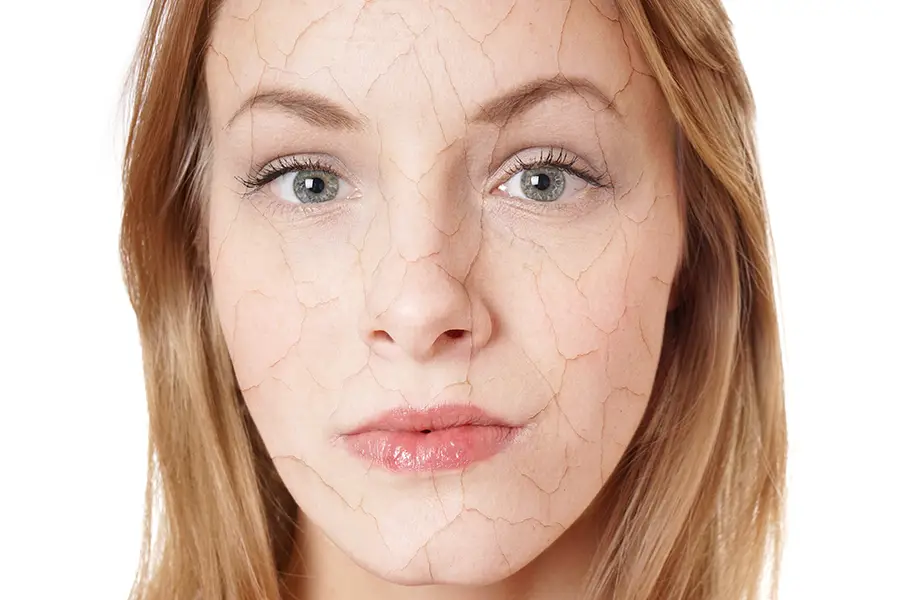
Humidity plays a big role in how much oil your skin produces. It affects the balance between moisture and natural oils, changing how your skin feels and looks depending on whether the air is damp or dry.[1][4]
In high humidity, the air holds plenty of moisture. This can trick your skin into thinking it has enough water, so it makes less oil to protect itself. But for many people, especially those with oily or acne-prone skin, the opposite happens. Sweat mixes with skin oils, leading to shine, clogged pores, and breakouts. Oily areas like the T-zone get extra greasy, while the rest of the face might feel okay or even hydrated.[1][4] Bacteria grow faster in moist air, which worsens congestion if you do not clean gently.[4]
Low humidity pulls water from your skin fast. This is common in dry winters or air-conditioned rooms. Your skin barrier weakens, letting moisture escape through something called transepidermal water loss. To fight back, your skin pumps out more oil as a defense. This creates a cycle: the skin feels tight at first, then overproduces oil, leading to uneven texture or flakes mixed with shine.[1][3][5]
Different skin types react in their own ways. Dry or mature skin softens a bit in humid air but flakes and shows lines in dry conditions. Oily skin gets congested in humidity but might overproduce oil when dry. Combination skin has oilier T-zones in damp weather and patchy dryness when the air lacks moisture. Sensitive skin flares up more in both extremes, with redness or itchiness.[1]
Your skin’s natural oils, called sebum, mix with lipids and ceramides to hold in water. Humidity shifts disrupt this balance. Oils like jojoba mimic sebum and can help seal moisture without clogging, but they do not hydrate on their own. True hydration comes from water-binding ingredients like humectants.[2]
To keep oil balanced, adjust your routine with the weather. In humid spots, use lightweight gel moisturizers, exfoliate gently one to three times a week with salicylic acid, and avoid heavy creams that trap sweat.[1][4] In dry air, add ceramide-rich creams, hyaluronic acid, or a humidifier to raise room moisture to 30 to 50 percent. Always apply moisturizer on damp skin for better lock-in, and never skip it even if the air feels wet.[3][4]
Overdoing things makes it worse. Too much exfoliation in humidity strips the barrier and boosts oil. Skipping moisturizer in dry weather signals your skin to make more sebum. Gentle cleansing and broad protection keep things steady.[4][6]
Sources
https://cosmetictattoomelbourne.com.au/what-climate-is-best-for-your-skin/
https://www.consumerreports.org/health/oils-like-jojoba-do-not-hydrate-skin-experts-say-a4698753453/
https://aura-medspa.com/blog/7-essential-hydration-and-nutrition-tips-for-radiant-skin
https://fluidaestheticsandwellness.com/top-skin-care-mistakes-to-avoid-for-healthy-skin/
https://www.isdin.com/us/blog/skincare/nourishing-winter-skincare-routine/
https://www.jpost.com/health-and-wellness/health-and-wellness-around-the-world/article-876524
https://www.dotandkey.com/blogs/skin-care/winter-skincare-mistakes-and-how-to-avoid-them