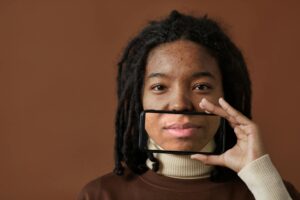
Hormonal acne stands out from other breakouts because it stems from hormone fluctuations that ramp up oil production in the skin, unlike breakouts caused by bacteria, diet, or external irritants. It often shows up as deep, painful pimples along the jawline, chin, and lower cheeks, while regular acne might scatter across the forehead or T-zone.
All acne starts with clogged pores from excess oil, dead skin cells, and bacteria. But hormonal acne happens when androgens like testosterone spike relative to estrogen. These male hormones make sebaceous glands pump out more sebum, or oil, which traps bacteria and sparks inflammation. This leads to tender cysts or nodules that linger longer than surface-level zits.[1][2]
Other breakouts differ in key ways. Bacterial acne, sometimes called inflammatory acne, comes from overgrowth of skin bacteria like Cutibacterium acnes in already clogged pores. It causes red, swollen pimples anywhere on the face but responds better to antibacterial treatments.[6] Fungal acne arises from yeast buildup, not oil or hormones, and looks like small, itchy bumps on the chest or back that need antifungal fixes instead of typical acne creams.[4]
Location gives big clues. Hormonal acne loves the lower face: jawline, chin, neck, even chest or back. Puberty zits hit the T-zone hard, but adult hormonal ones cluster below the cheeks. Stress acne from cortisol might pop up on cheeks or forehead during tough times.[1][3][4]
Triggers set them apart too. Hormonal acne flares with life changes like menstrual cycles, pregnancy, menopause, PCOS, or starting stopping birth control. These shift hormones internally. In contrast, other acne might flare from greasy makeup, sweaty clothes, heat, diet, or medications without hormone ties.[2][3]
Timing matters. Hormonal acne follows a cycle, worsening before periods or during hormone dips. Regular breakouts lack that pattern and might clear faster with over-the-counter spot treatments.[5]
Treating them varies. Hormonal acne often needs hormone-balancing options like certain birth control pills or spironolactone to block androgens, plus retinoids to unclog pores. Bacterial types improve with benzoyl peroxide or antibiotics. Spotting the difference helps pick the right fix and avoid scars from deep cysts.[3]
Sources:
https://www.medicaldaily.com/hormonal-acne-adults-acne-causes-skin-hormones-explained-474128
https://www.draliabadi.com/blog/hormonal-acne/
https://www.tuftsmedicine.org/about-us/news/acne-over-30
https://www.drbatras.com/skin-diseases/acne/types
https://glimmergoddess.com/pages/types-of-acne-explained-hormonal-vs-bacterial-vs-fungal-vs-sensitive-skin-acne
https://accufixcosmetics.com/blogs/post/hormonal-vs-bacterial-acne