How Drug Delivery Has Improved Acne Treatment
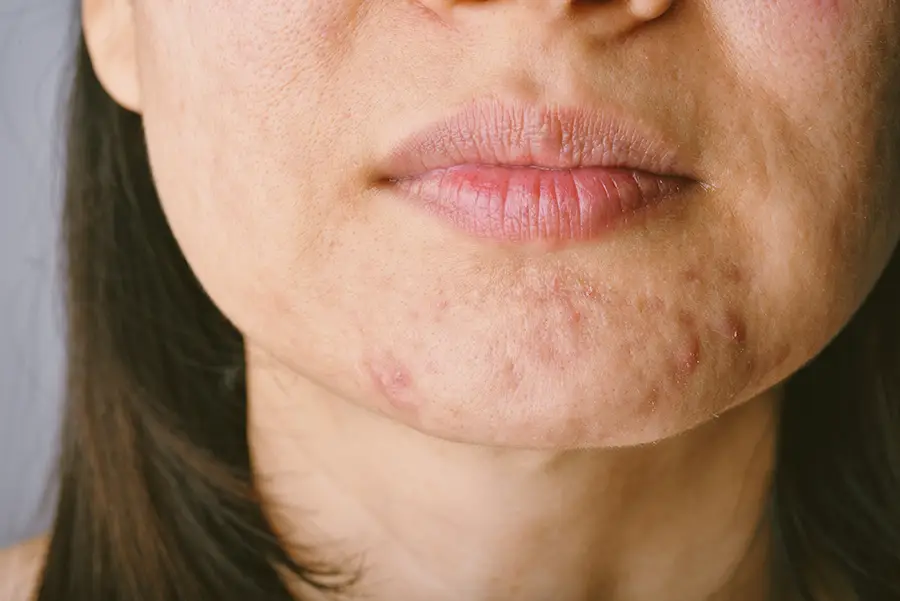
Acne affects millions of people around the world, causing painful bumps, redness, and frustration. For years, treatments like creams and pills worked but often fell short because the medicine did not reach deep enough into the skin or caused too many side effects. Today, new drug delivery methods have changed that by getting treatments exactly where they are needed, making acne care faster, safer, and more effective.
One big step forward is in topical treatments, which are creams and gels applied right on the skin. Old versions sometimes irritated the skin or lost strength too quickly. Now, companies use smart formulations like IDP-126 from Bausch Health. This mixes adapalene, a retinoid that unclogs pores, with retinol and benzoyl peroxide, which fights bacteria. The special delivery system keeps these ingredients stable and releases them slowly, treating both red, swollen pimples and blackheads without as much dryness or burning. Another example is Winlevi, a cream with clascoterone, the first new type of topical acne drug in decades. It blocks hormones that cause oil buildup directly on the skin, reducing breakouts with fewer whole-body side effects than pills.
Nanotechnology has taken things even further. Solid lipid nanoparticles act like tiny carriers that wrap drugs in protective fat layers. These particles slip through the skin’s outer barrier more easily than regular creams, delivering medicine deeper into pores where acne starts. They release the drug over time for steady treatment, cutting down on how often you apply it. Researchers have also combined these with hydrogels, which are soft, water-based gels that feel comfortable and stay on the skin longer.
Microneedles are another exciting tool. These are super small needles, often made with 3D printing, that poke tiny holes in the skin without much pain. They create paths for drugs like antibiotics or anti-inflammatory agents to go straight to problem areas. This works well for tough acne and even helps with related issues like scars. Unlike shots, they dissolve or fall off after use, making them easy at home.
For worse cases, oral drugs like antibiotics or hormone pills pair better with these advances. Doctors now combine them with advanced topicals for stronger results. Technologies like molecule stabilizing help retinoids, which can be harsh, work gently without losing power.
These improvements mean fewer doctor visits, happier skin, and people sticking to their routines. Patients see clearer results quicker, and the options fit mild spots or severe outbreaks.
Sources
https://www.mordorintelligence.com/industry-reports/acne-therapeutics-market
https://jddtonline.info/index.php/jddt/article/download/7465/7180
https://onlinelibrary.wiley.com/doi/10.1002/ddr.70213
https://pubmed.ncbi.nlm.nih.gov/41345791/?fc=None&ff=20251218122648&v=2.18.0.post22+67771e2