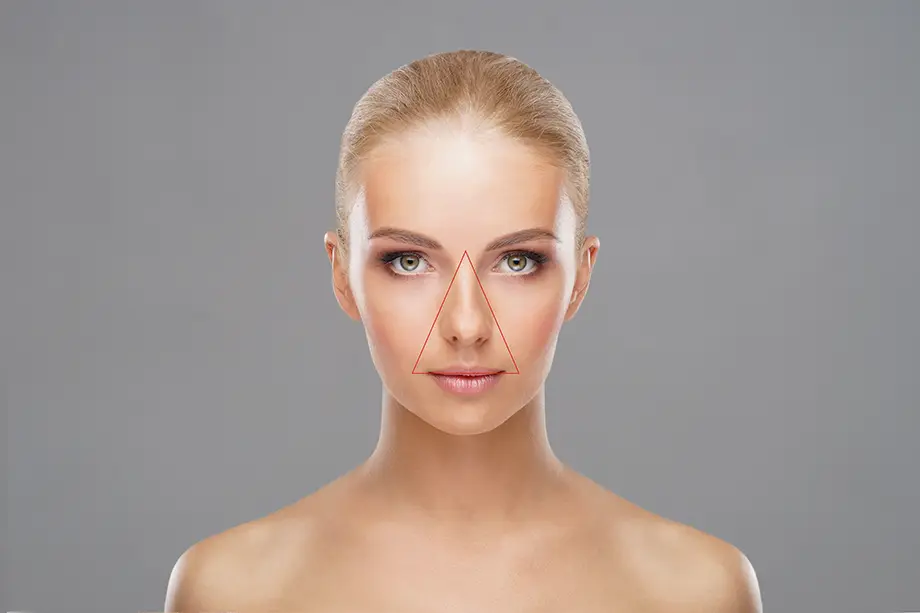
How Cortisol Impacts Skin Health
Cortisol is your body’s main stress hormone. It helps you handle short bursts of pressure, like dodging danger. But when stress drags on, cortisol stays high and starts hurting your skin. This hormone messes with the balance that keeps skin looking healthy and young.
One big way cortisol harms skin is by breaking down collagen. Collagen is the tough protein that keeps skin firm and smooth. High cortisol speeds up collagen loss, so skin gets thinner and wrinkles show up sooner.[1][2] The same happens to elastin, another protein that gives skin bounce. Over time, this leads to sagging, especially around the eyes and jaw.[1]
Cortisol also ramps up oil production. It tells your skin’s glands to make more sebum, the oily stuff that protects skin. Too much sebum clogs pores and feeds bacteria, sparking acne breakouts.[3][4][6] Even if your skin stays clear most days, stress can trigger pimples, cysts, or redness.[3]
Inflammation is another problem. Cortisol stirs up low-level swelling in the body, and skin feels it first. This weakens the skin’s barrier, the outer layer that holds in moisture and blocks irritants. Skin ends up dry, itchy, or flared up with issues like eczema, rosacea, or psoriasis.[2][4][5]
High cortisol throws off blood sugar too. Spikes in sugar cause glycation, where proteins like collagen get stiff and brittle. Skin loses its supple feel and looks dull.[1] Plus, cortisol pulls blood flow away from skin to feed vital organs. Less oxygen and nutrients mean a tired, lifeless complexion.[2]
Puffiness often comes next. Cortisol messes with fluid balance and boosts inflammation, so face swells, mainly under eyes and cheeks.[1] Bad sleep from stress makes it worse, as rest is key for skin repair.[1]
In menopause, things get tougher. Dropping estrogen already thins skin, and rising cortisol piles on the damage.[1] Chronic stress slows healing overall. Cuts, blemishes, or irritation take longer to fix.[4]
Your skin and brain talk through nerves and chemicals. Stress hits the hypothalamic-pituitary-adrenal axis, flooding you with cortisol that binds to skin cells. This cycle worsens: bad skin stresses you more, pumping out extra cortisol.[2][3]
Sources
https://www.alisonbladh.com/post/cortisol-face-and-skin-ageing-how-stress-shows-on-your-skin
https://www.mollenol.com/q-a/stress-impact-on-skin-symptoms-causes-relief-and-care/
https://skinsureclinic.com/why-your-skin-breaks-out-during-stressful-phases/amp/
https://www.spavieenrose.com/journal-1/the-link-between-stress-and-skin-health-how-facials-help
https://www.salonevolve.com/post/how-stress-shows-up-in-your-skin-hair-and-what-to-do-about-it
https://www.findleyderm.com/blog/how-holiday-stress-affects-your-skin-and-how-to-combat-it
https://onekind.us/en-ca/blogs/skin-school/stressed-out-skin-how-stress-impacts-your-skin-health-and-what-you-can-do-about-it
https://hoanphomd.com/f/stress-and-skin-how-managing-health-improves-aesthetic-results