
The cleanser you choose directly determines how effectively every other product in your skincare routine will work. A proper cleanser removes dirt, makeup, sunscreen, and oil buildup, creating a clean canvas that allows serums, moisturizers, and treatments to absorb deeply instead of sitting on the surface.
Without effective cleansing, even the best actives and moisturizers can become almost useless—they can’t penetrate through accumulated impurities. For example, if you apply a Vitamin C serum to unwashed skin, the serum molecules can’t reach the deeper skin layers where they’re meant to work, so you’re paying for a product without getting its benefits. This article covers how cleansers impact product absorption, why pH matters for your barrier and subsequent products, how cleansers prevent pore congestion that blocks other treatments, and the practical differences between morning and evening cleansing strategies.
Table of Contents
- How Cleansers Enable Product Absorption and Efficacy
- The pH Factor and Why Your Cleanser Shapes Your Skin Barrier
- How Cleansing Prevents Buildup That Blocks Other Products
- Morning versus Evening Cleansing: Different Demands on Your Routine
- Choosing the Right Cleanser Strength for Your Skin Barrier
- Active Ingredients in Cleansers Don’t Sabotage Your Routine
- Building Your Full Routine Around Effective Cleansing
- Conclusion
- Frequently Asked Questions
How Cleansers Enable Product Absorption and Efficacy
The primary way cleansers impact your routine is by preparing your skin to actually receive the products that follow. When dirt, sebum, dead skin cells, and environmental pollution sit on your skin’s surface, they act as a barrier preventing serums, moisturizers, and targeted treatments from doing their job. Cleansing removes these obstacles, which means the expensive hydrating serum or acne-fighting treatment you apply afterward can actually penetrate and work as intended. Research shows this is especially true for pH-sensitive products like Vitamin C serums, which require a lower pH environment to remain stable and effective—and a proper low-pH cleanser creates exactly that environment.
Think of cleansing as the foundation of a house. You wouldn’t paint or decorate a foundation covered in dirt and debris, and your skin works the same way. A clean base allows everything layered on top to perform optimally. This is why dermatologists emphasize that the order of your routine matters far less than making sure the first step—cleansing—is done thoroughly and with a product appropriate for your skin type.
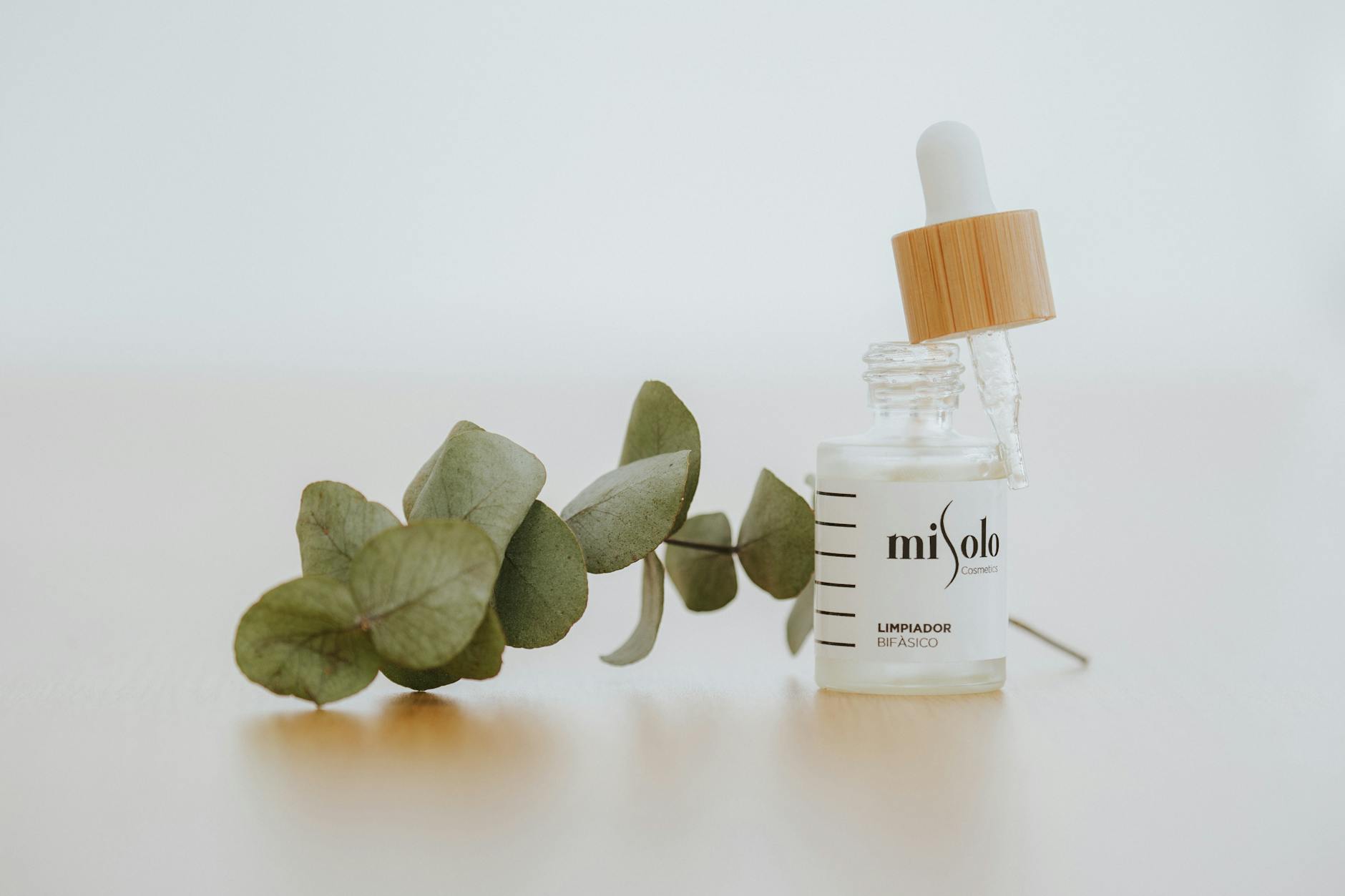
The pH Factor and Why Your Cleanser Shapes Your Skin Barrier
Your skin’s natural pH is between 4.5 and 5.5, slightly acidic. This acidity is crucial for maintaining the skin barrier, which protects you from water loss and environmental irritants. When you use a cleanser with a pH close to this range, you preserve this protective barrier, meaning your skin stays healthy and your other products work more effectively. However, traditional bar soaps have a pH of 9 to 11, which is highly alkaline and strips away the skin’s natural protective layer. When your barrier is compromised by an alkaline cleanser, your skin becomes dry, tight, and vulnerable—and follow-up products can’t work as well because your barrier is damaged.
The good news is that this pH disruption is temporary. cleansers only affect your skin’s pH for less than 10 minutes; your skin naturally recovers its optimal pH level fairly quickly. However, using the wrong pH cleanser repeatedly over weeks and months can chronically damage your barrier, leading to dryness, sensitivity, and reduced effectiveness of all subsequent products. If you use a harsh cleanser that strips your skin, you might notice that even a good moisturizer doesn’t feel hydrating enough, or that your skin feels tight and uncomfortable after cleansing. This isn’t a moisturizer failure—it’s a sign your cleanser is too harsh for your skin type and is damaging the foundation that everything else depends on.
How Cleansing Prevents Buildup That Blocks Other Products
When you don’t cleanse effectively, impurities accumulate on your skin’s surface and inside your pores. This buildup creates an environment where blackheads, congestion, and breakouts develop—and all of these issues prevent other products from working properly. Clogged pores can’t receive targeted acne treatments or hydrating serums effectively, and visible congestion makes texture and roughness worse, which then interferes with how foundation and other makeup sits on your skin. Essentially, inadequate cleansing cascades into multiple skin problems that sabotage your entire routine.
Double cleansing in the evening is specifically designed to prevent this buildup. You start with an oil-based cleanser (like a cleansing balm or oil) that dissolves makeup, sunscreen, and sebum, then follow with a water-based cleanser that removes the oil and any remaining impurities. This two-step process is dramatically more thorough than a single cleanse, especially if you wear makeup or sunscreen daily. If you’re using other actives like retinoids or acids in your routine but aren’t double cleansing at night, you’re essentially applying these treatments to skin that isn’t properly clean—meaning they’re working harder against accumulated debris instead of focusing on their intended benefit.

Morning versus Evening Cleansing: Different Demands on Your Routine
Your skin’s needs aren’t the same in the morning and evening, so your cleansing strategy shouldn’t be either. In the morning, your goal is to remove the oil your skin naturally produced overnight. A gentle water-based or micellar cleanser is usually sufficient, because your skin hasn’t accumulated makeup, sunscreen, or pollution yet. This lighter morning cleanse preps your skin for hydrating serums and moisturizers that will protect your skin during the day.
Evening cleansing is where the real work happens. After a full day of accumulated makeup, sunscreen, environmental pollution, and natural oil production, your skin needs more thorough cleansing. This is why double cleansing—oil-based followed by water-based—is recommended for evening routines. The extra step ensures that everything is genuinely removed so that your nighttime actives (retinoids, acids, peptides) and treatments can penetrate fully and work at their best. If you use only a single gentle cleanser at night, you’re likely leaving residue behind that interferes with your nighttime products, regardless of how expensive or effective they are.
Choosing the Right Cleanser Strength for Your Skin Barrier
Selecting the appropriate cleanser for your skin type is one of the most important decisions you can make for your entire routine. If your skin is sensitive or dry, a harsh foaming cleanser will strip your barrier and leave everything else in your routine compromised—no amount of moisturizer can fully compensate for a damaged barrier. If your skin is oily or acne-prone but you choose a very gentle, almost non-cleansing product, you’ll end up with buildup and congestion that prevents acne treatments from working. The goal is finding the middle ground: a cleanser strong enough to remove impurities effectively but gentle enough to preserve your skin barrier.
For most people, a cream cleanser, micellar water, or low-pH gel cleanser works well. Pay attention to how your skin feels after cleansing—if it feels tight, dry, or uncomfortable, your cleanser is too harsh and is sabotaging the rest of your routine. If you’re cleansing but still experiencing breakouts and congestion, your cleanser might not be thorough enough. The right cleanser should leave your skin feeling clean but not tight or stripped.
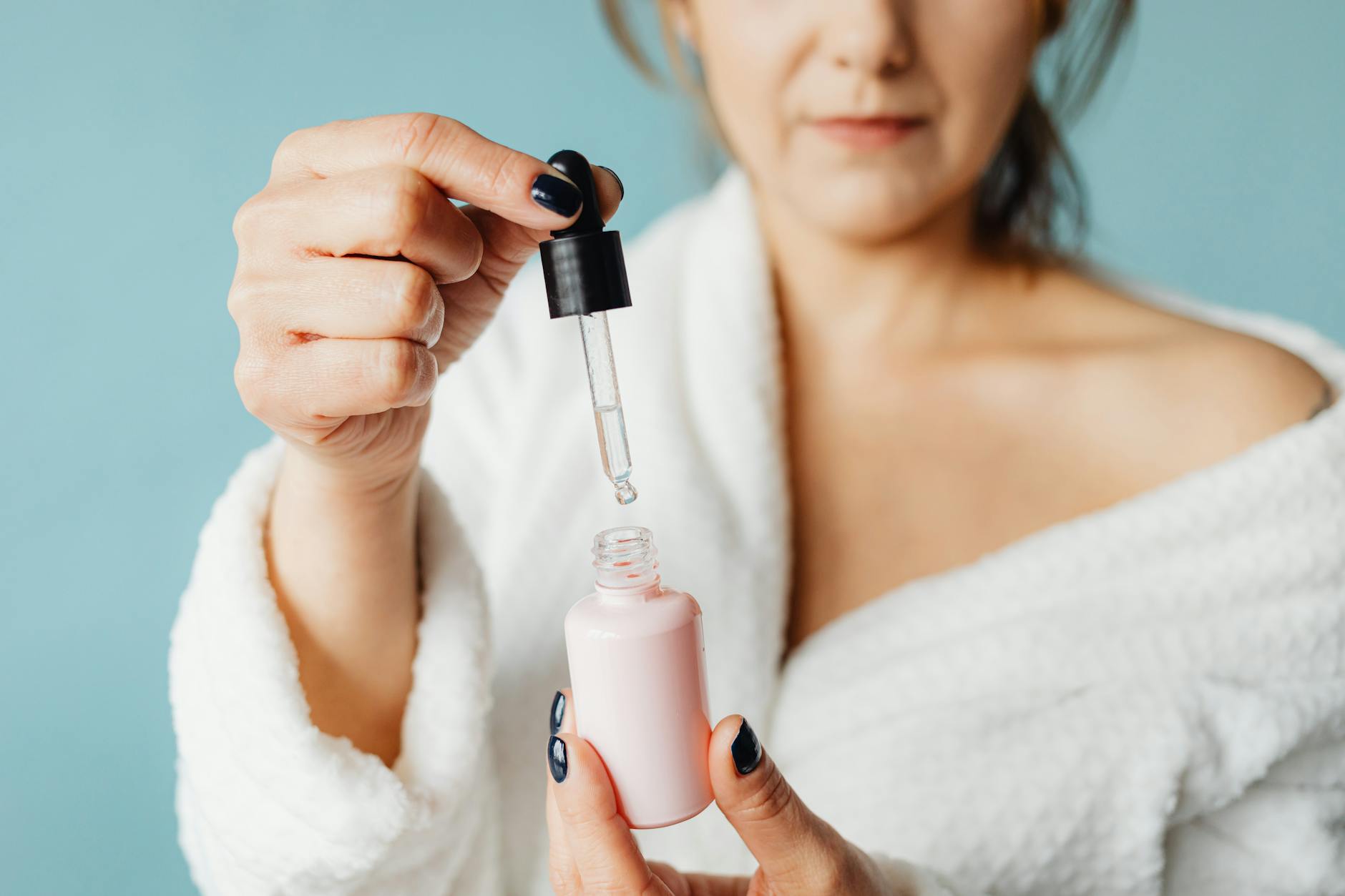
Active Ingredients in Cleansers Don’t Sabotage Your Routine
A common concern is whether cleansers with active ingredients—like those containing salicylic acid, glycolic acid, or other exfoliants—will negatively interact with or reduce the effectiveness of products applied afterward. The research shows this isn’t a significant issue.
Active-packed cleansers have incremental effects and don’t meaningfully interfere with subsequent products in your routine. However, this doesn’t mean adding actives to your cleanser is the best approach. A cleanser’s primary job is to clean, and if you’re looking for the maximum benefit from an exfoliating ingredient, you’re better off using a dedicated treatment product after cleansing where the ingredient can sit on your skin longer and work more effectively.
Building Your Full Routine Around Effective Cleansing
Understanding how cleansers impact everything else in your routine should fundamentally change how you approach skincare. Instead of viewing cleansing as a basic first step you can cut corners on, recognize it as the foundation that determines whether expensive serums, treatments, and moisturizers will actually work.
As skincare research continues to evolve, the importance of proper cleansing remains constant—it’s one of the few skincare steps with nearly universal agreement among dermatologists. Whether you’re treating acne, building an anti-aging routine, or managing sensitive skin, the effectiveness of everything that follows depends entirely on starting with a cleanser appropriate for your skin type and concerns.
Conclusion
Cleansers do far more than remove surface dirt. They prepare your skin barrier, set the optimal pH for product absorption, prevent pore congestion that blocks treatments, and create the foundation for every other step in your routine to work effectively. The cleanser you choose directly impacts whether your serums absorb properly, whether your skin barrier stays healthy, and whether your acne treatments or anti-aging products can actually reach the skin layers where they’re needed. Choosing the right cleanser for your specific skin type is one of the highest-impact decisions you can make.
Start by evaluating how your skin feels after cleansing. If it feels tight or uncomfortable, try a gentler option. If you’re still experiencing breakouts despite using other treatments, your current cleanser might not be thorough enough, especially in the evening. Once you find a cleanser that leaves your skin feeling clean without stripping it, you’ll likely notice that all your other products seem to work better—because they finally can.
Frequently Asked Questions
Can I use the same cleanser in the morning and evening?
Technically yes, but ideally no. Your skin’s needs differ—morning cleansing should be gentle to remove overnight oil, while evening cleansing needs to be more thorough to remove makeup, sunscreen, and pollution. If you use only one cleanser, consider something with a gentle formula you can use in the morning and double cleanse with at night (oil-based cleanser followed by your regular cleanser).
Does a cleanser’s pH really matter that much?
Yes. A pH-appropriate cleanser (4.5-5.5) preserves your skin barrier, while alkaline cleansers (like bar soaps at pH 9-11) can strip and damage it. This matters because a damaged barrier prevents all your other products from working effectively and makes your skin more prone to irritation and dryness.
What if my skin feels tight after cleansing?
This is a sign your cleanser is too harsh and is stripping your barrier. Switch to a gentler formula. Your cleanser should leave your skin feeling clean, not tight or uncomfortable. If tightness persists, you may need a cream or oil-based cleanser instead of a foaming one.
Should I use a cleanser with exfoliating ingredients?
Cleansers with actives like salicylic acid or glycolic acid are fine and don’t negatively impact other products. However, they’re less effective than using a dedicated treatment product, since the contact time is brief. If you want maximum benefit from exfoliating ingredients, apply them as a separate treatment after cleansing.
Does water quality affect how well my cleanser works?
Yes, to some degree. Hard water can leave mineral residue on skin that interferes with product absorption. If you have hard water, you might consider using a filtered or distilled water for the final rinse, or switching to a micellar water cleanser that requires less rinsing.