Acne treatments are designed for real life by focusing on simple daily routines, quick fixes for busy days, and options that fit into normal schedules without constant doctor visits or harsh side effects. They use easy steps like gentle washing twice a day, spot treatments for sudden pimples, and products you can grab at home or from a pharmacy[1][2][3][4].
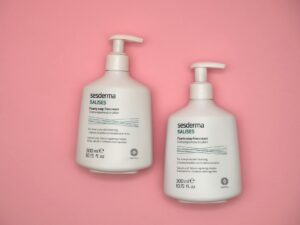
Most people deal with acne during work, school, or family time, so treatments start with basics that take just minutes. In the morning, wash with a mild cleanser that has salicylic acid or benzoyl peroxide to clear oil and dead skin without drying out your face. Follow with a light moisturizer and sunscreen to protect your skin all day. This keeps pores open and prevents new breakouts while you go about your routine[2][3][4].
At night, add a retinoid or azelaic acid to unclog pores deeper and calm redness. These work while you sleep, speeding up skin repair without extra effort. Start slow to avoid irritation, and always moisturize after to keep skin balanced. For stubborn spots, dab benzoyl peroxide right on them in the morning until they fade[1][2][4].
Real life means flare-ups happen unexpectedly, like before a big meeting. Quick tools like hydrocolloid patches pull out pus overnight, or ice wrapped in cloth reduces swelling from cystic acne in minutes. These are simple, no-fuss ways to handle pain without missing a beat[3].
For tougher cases, oral pills like antibiotics or hormonal therapies regulate breakouts from inside, taken once a day with meals. Professional options like chemical peels or laser facials fit into lunch hours, clearing congestion in one session with little downtime[1][2].
New ideas make it even easier, like at-home devices for steroid injections that mimic doctor shots. You press a tiny needle into a pimple for fast relief in 24 hours, saving trips to the clinic[5].
Lifestyle tweaks blend right in too. Wash after sweating, skip makeup at night, and note foods that trigger pimples. Gentle exfoliation a few times a week smooths skin without overdoing it[1][3][7].
Treatments build prevention into habits, like consistent routines over spot fixes. Dermatologists adjust plans based on how your skin responds during check-ins, making sure it works for your life, not against it[2][4].
Sources
https://woodlandswellness.com/acne-treatment-9-ways-to-stop-acne-before-it-appears/
https://www.westchestercosmeticdermatology.com/blog/adult-acne-why-it-happens-and-how-to-treat-it/
https://worldofasaya.com/blogs/acne/how-to-clear-skin-ultimate-acne-treatment-guide
https://drsambunting.com/en-us/blogs/sam-bunting/how-to-fix-adult-acne
https://beautymatter.com/articles/the-glp1-effect-acne-market
https://pmc.ncbi.nlm.nih.gov/articles/PMC12729506/
https://www.felixforyou.ca/blog-posts/how-to-treat-acne-prone-skin