Hormonal acne among women in their 30s is becoming a defining skincare challenge of this decade. Research shows that 35.2% of women in their 30s report having acne, compared to just 20.1% of men in the same age group—a stark gap that highlights how hormonal fluctuations disproportionately affect women. This surge isn’t a coincidence: the average age at which people first develop acne has risen from 20.5 to 26.5 years over the past decade, and women aged 25-35 now represent the fastest-growing patient demographic seeking acne treatment. What makes this trend particularly significant is that many of these women believed they’d outgrown acne after their teenage years, only to face unexpected breakouts in their 30s.
The rise in adult acne among this demographic reflects both biological and lifestyle factors that converge during women’s 30s. Hormonal fluctuations tied to menstrual cycles, stress, diet, and environmental exposures all play roles in triggering or worsening acne at an age when breakouts were traditionally considered a rarity. Unlike teenage acne, which tends to be concentrated on the T-zone, hormonal acne in women typically appears along the jawline, chin, and lower face—areas where hormonal receptor density is highest. This article explores why cases are surging, what hormonal mechanisms drive the condition, and what evidence-based approaches can help manage it.
Table of Contents
- Why Is Hormonal Acne Surging Among Women in Their 30s?
- How Hormonal Cycles Trigger Acne in Women’s 30s
- Distinguishing Persistent Acne From Late-Onset Acne in Your 30s
- How Stress, Sleep, and Diet Amplify Hormonal Acne
- Understanding PCOS, Hyperandrogenism, and When Hormonal Testing Matters
- Topical and Systemic Treatments Designed for Adult Women
- What the Future Holds for Acne in Women’s 30s
- Conclusion
Why Is Hormonal Acne Surging Among Women in Their 30s?
The demographics tell a clear story: approximately 33% of women in their 30s experience acne, and this prevalence extends into the 40s, where roughly 25% of women still report breakouts. Among the broader 25-40 age group, 15-20% of women are affected, making adult acne far more common than many assume. This surge represents a meaningful shift in acne epidemiology. Twenty years ago, acne in a woman’s 30s was considered unusual; today it’s routine enough that dermatologists see it as a distinct clinical category requiring specialized understanding. What’s driving this upward trend? Part of the answer lies in changing patterns of hormonal exposure and life stress. Many women in their 30s are navigating peak career demands, relationship changes, or decisions about parenthood—all periods associated with sustained stress and sleep disruption, both known triggers for acne flares.
Additionally, delayed childbearing and extended use of hormonal contraceptives have altered reproductive timelines in ways that affect hormonal acne prevalence. The acne epidemiology forecast projects sustained growth through 2034, with increases in both diagnosed and moderate-to-severe acne cases, suggesting this isn’t a temporary phenomenon but a structural shift in how acne affects adult women. A critical distinction exists between persistent and late-onset acne. Approximately 70-85% of women with adult acne have persistent acne—breakouts that continued from adolescence into adulthood without ever fully resolving. The remaining 20-40% experience late-onset acne, appearing for the first time after age 25. For many women in their 30s, late-onset acne comes as a shock precisely because they have no teenage acne history to prepare them, making the breakouts feel like a sudden medical problem rather than a continuation of an earlier condition.
How Hormonal Cycles Trigger Acne in Women’s 30s
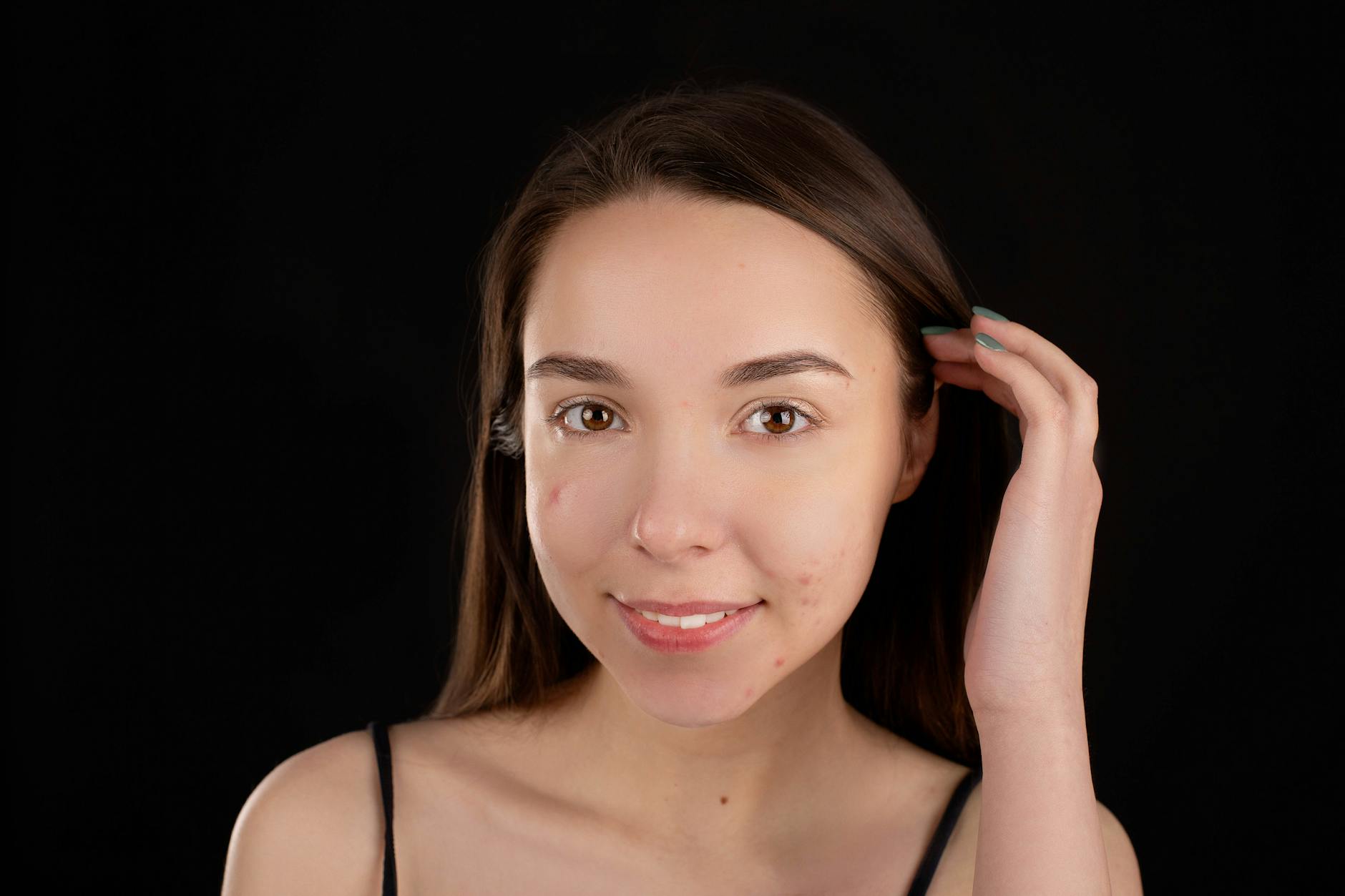
The hormonal mechanism behind acne flares is remarkably consistent: 62.2% of pre-menopausal women report that their acne worsens around menstruation, typically appearing 7-10 days before the period starts and resolving shortly after it begins. This cyclical pattern occurs because progesterone levels drop sharply in the luteal phase of the menstrual cycle, triggering increased sebum production and inflammation in the skin. The drop in estrogen relative to androgens during this window creates a window of vulnerability where acne lesions are most likely to form. For women in their 30s, this hormonal fluctuation becomes more pronounced, particularly if other stressors are present. However, not all hormonal acne stems from normal menstrual cycles. Among women with adult acne, 50% have hyperandrogenism—elevated levels of androgens (male hormones) that trigger excess sebum production and clogged pores.
Of those with hyperandrogenism, 70% have polycystic ovary syndrome (PCOS), a metabolic and endocrine condition that profoundly affects skin health. PCOS typically develops or becomes more apparent in a woman’s 20s and 30s, which partly explains the surge in acne at this age. Hyperandrogenism also tends to worsen with age, meaning acne can intensify as women progress through their 30s if underlying hormonal conditions go unaddressed. A crucial finding often overlooked: most women with adult acne have normal androgen levels. This means that even without hyperandrogenism or PCOS, the hormonal sensitivity of the skin itself—how responsive skin oil glands are to circulating hormones—plays the dominant role. A woman can have completely normal hormone bloodwork yet still experience severe hormonal acne because her skin’s androgen receptors are simply more reactive. This distinction matters because it reshapes treatment expectations: not every woman with hormonal acne needs hormone-lowering medications; some respond better to topical treatments or lifestyle modifications that reduce skin inflammation independent of hormone levels.
Distinguishing Persistent Acne From Late-Onset Acne in Your 30s
For women who’ve had acne since adolescence, reaching their 30s often brings a troubling realization: the breakouts never fully resolved. Persistent acne accounts for 70-85% of adult acne cases, meaning most women experiencing acne in their 30s have dealt with it for 15+ years. The character of persistent acne often shifts with age—teenage acne typically favors the forehead and nose, while the same condition persisting into the 30s migrates to the jawline and chin, where hormonal sensitivity is greatest. This migration happens gradually and can make it seem like a new condition has emerged, when in reality it’s the same underlying tendency expressing itself in hormonally vulnerable areas. Late-onset acne, affecting 20-40% of adult women, presents differently. A woman in her 30s who had perfectly clear skin through her 20s suddenly develops acne around the chin and jaw.
Late-onset acne typically appears in response to specific triggers: new contraceptive methods, changes in skincare products (particularly heavy or occlusive products that trap bacteria), increased stress, dietary shifts, or hormonal fluctuations linked to thyroid dysfunction or other metabolic changes. Women experiencing late-onset acne often feel more frustrated than those with persistent acne because they lack a long history of coping strategies and may struggle to identify the trigger. The prognosis differs slightly between the two patterns. Persistent acne, despite its frustrating longevity, often becomes more responsive to treatment over time as sufferers learn what works for their specific skin. Late-onset acne, conversely, requires detective work: identifying whether a new skincare product, dietary change, or hormonal event triggered it. For both groups, reaching the 30s represents a turning point where acne, if still present, often demands more sophisticated treatment approaches than basic cleansing and over-the-counter spot treatments provided during the teenage years.
How Stress, Sleep, and Diet Amplify Hormonal Acne
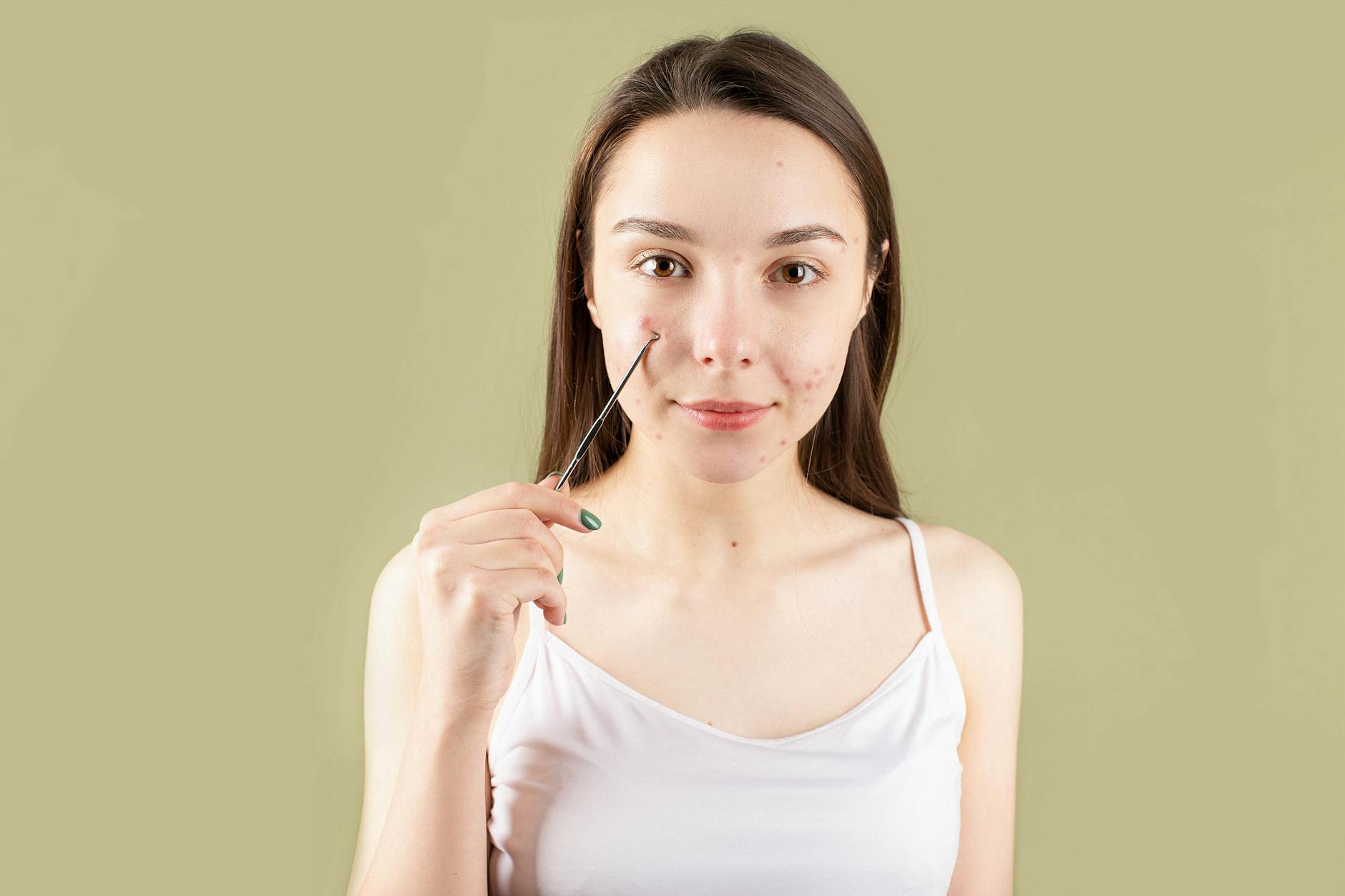
The 30s bring a convergence of life stressors that directly amplify hormonal acne. Chronic stress elevates cortisol, which in turn increases androgen production and skin inflammation—effectively magnifying the impact of whatever baseline hormonal sensitivity a woman has. Sleep deprivation, common among women juggling careers, relationships, and family responsibilities, impairs the skin barrier and reduces the body’s ability to regulate cortisol, creating a vicious cycle. Studies show that women sleeping fewer than 6 hours per night experience more severe and frequent acne flares, independent of other factors. For many women in their 30s, the difference between clear skin and a breakout often comes down to whether they’ve been sleeping adequately. Diet plays a surprisingly powerful role in hormonal acne severity.
Western diets high in refined carbohydrates and dairy products elevate insulin and IGF-1 (insulin-like growth factor 1), hormones that stimulate sebum production and skin cell proliferation. Women in their 30s who adopted typical office lunches—sandwiches, pasta, dairy-based products—may notice that acne intensifies in correlation with these dietary patterns. Conversely, reducing refined carbohydrates and focusing on whole foods, healthy fats, and adequate protein can yield noticeable improvements within 4-8 weeks. The limitation here: diet alone rarely eliminates hormonal acne completely, but it’s one of the few factors women can control directly without medical intervention. Environmental and behavioral factors compound these effects. Occlusive cosmetics that trap bacteria and sebum against the skin, touching the face frequently throughout the day, and exposure to environmental pollutants all trigger or worsen acne, particularly in women whose skin is already sensitized by hormonal fluctuations. A woman in her 30s managing hormonal acne benefits enormously from addressing multiple factors simultaneously—improving sleep, managing stress, adjusting diet, and reassessing skincare and makeup choices—rather than expecting a single intervention to resolve the problem.
Understanding PCOS, Hyperandrogenism, and When Hormonal Testing Matters
For women with moderate-to-severe hormonal acne in their 30s, particularly if breakouts are accompanied by other symptoms (irregular periods, excess facial or body hair, weight gain, hair loss), PCOS screening becomes medically prudent. As noted earlier, 70% of women with hyperandrogenism have PCOS, making it the most common endocrine disorder among women of reproductive age. PCOS doesn’t just cause acne; it’s associated with insulin resistance, increased cardiovascular risk, and fertility challenges, making diagnosis important for overall health, not just skin. Hormonal testing—including testosterone, DHEA-S, and LH/FSH ratios—can clarify whether a woman’s acne stems from true hyperandrogenism or normal hormonal sensitivity. This distinction is important because treatment strategies differ.
A woman with confirmed high androgens may benefit from hormonal birth control formulations designed to suppress androgens or from medications like spironolactone that block androgen receptors. Conversely, a woman with normal hormone levels but reactive skin may achieve better results with retinoids, benzoyl peroxide, or lifestyle modifications than with hormone-altering medications. Without testing, both groups might waste time on inappropriate treatments. A limitation to acknowledge: not all dermatologists routinely order hormonal testing, and many acne-focused treatments work effectively regardless of whether underlying hyperandrogenism exists. A woman in her 30s with significant acne should feel empowered to request testing if she suspects hormonal involvement, but she shouldn’t feel pressured to undergo extensive testing if simpler, evidence-based acne treatments are already proving effective. The combination of clinical assessment and hormonal testing—when indicated—typically provides the clearest path to effective treatment.
Topical and Systemic Treatments Designed for Adult Women
The treatment landscape for hormonal acne in women’s 30s has expanded significantly beyond the acne regimens that worked (or didn’t work) during adolescence. Retinoids, particularly tretinoin and retinaldehyde, remain among the most effective topical options because they address the underlying driver of acne—abnormal skin cell turnover—while also improving fine lines and skin texture. A 35-year-old woman starting tretinoin for acne gains the additional benefit of anti-aging effects, making it particularly appealing for this demographic. However, tretinoin requires patience: expect 8-12 weeks of adjustment before improvement appears, and skin often worsens temporarily during the first 4-6 weeks. Combination approaches—pairing a retinoid with a hormonal contraceptive or spironolactone—often yield superior results compared to single interventions.
Spironolactone, an androgen-blocking medication, specifically targets the hormonal component of acne by reducing sebum production and has few side effects at typical acne-fighting doses (50-100 mg daily). Hormonal contraceptives formulated with progestin types that have anti-androgenic properties (like norgestimate or desogestrel) can reduce breakouts by 40-60% over several months. For women unwilling or unable to use hormonal medications, retinoids combined with benzoyl peroxide or azelaic acid—the latter being particularly effective for hormonal acne with inflammation—provide solid alternatives, though results typically take longer. A tradeoff worth considering: systemic treatments (hormonal contraceptives, spironolactone, antibiotics) work throughout the body and address acne’s hormonal roots but require ongoing prescriptions and have potential side effects. Topical treatments avoid systemic effects but require consistent, disciplined application and may work slower. Many dermatologists recommend starting with topical retinoids and reassessing at 12 weeks; if insufficient progress occurs, adding a hormonal medication often tips the balance toward clear skin.
What the Future Holds for Acne in Women’s 30s
The acne epidemiology forecast projects sustained growth in diagnosed acne cases through 2034, with particular increases in moderate-to-severe cases among adult women. This projection reflects both increased awareness and diagnosis—more women seeking treatment because acne in the 30s is now recognized as a legitimate medical concern—and possible shifts in environmental or lifestyle factors that genuinely increase acne prevalence. Women entering their 30s today should expect acne treatment to become increasingly normalized for their demographic, with less stigma around seeking professional help and more treatment options tailored specifically to adult women’s needs.
Looking forward, emerging treatments targeting inflammation, sebum regulation, and the skin microbiome may offer new avenues for women resistant to traditional approaches. Some research suggests that targeting the acne-associated bacterial strains (rather than attempting to sterilize the skin entirely) and addressing skin barrier dysfunction may yield better long-term outcomes than older approaches. For now, the takeaway is clear: acne in your 30s is common, treatable, and increasingly understood by dermatologists as a distinct clinical entity requiring different strategies than teenage acne.
Conclusion
The surge in hormonal acne among women in their 30s reflects both increased diagnosis rates and genuine shifts in how acne presents at this life stage. With 35.2% of women in their 30s reporting acne compared to 20.1% of men, the gender gap is substantial and rooted in hormonal, lifestyle, and environmental factors that converge during this decade. Whether acne is persistent from adolescence or newly arrived, the underlying mechanisms involve hormonal sensitivity, sebum production, inflammation, and bacterial colonization—all addressable through targeted treatments ranging from retinoids and oral medications to lifestyle modifications and stress management.
Taking action begins with a clear-eyed assessment: identifying patterns (does acne worsen around menstruation?), evaluating lifestyle factors (sleep, stress, diet), considering hormonal testing if symptoms suggest PCOS or hyperandrogenism, and consulting a dermatologist to design a treatment plan suited to your specific presentation. Acne in your 30s is not a personal failing or a sign of inadequate skincare—it’s a common medical condition with increasingly effective treatments. With the right approach, most women can achieve significant improvement within 8-12 weeks and maintain clear skin through their 30s and beyond.