
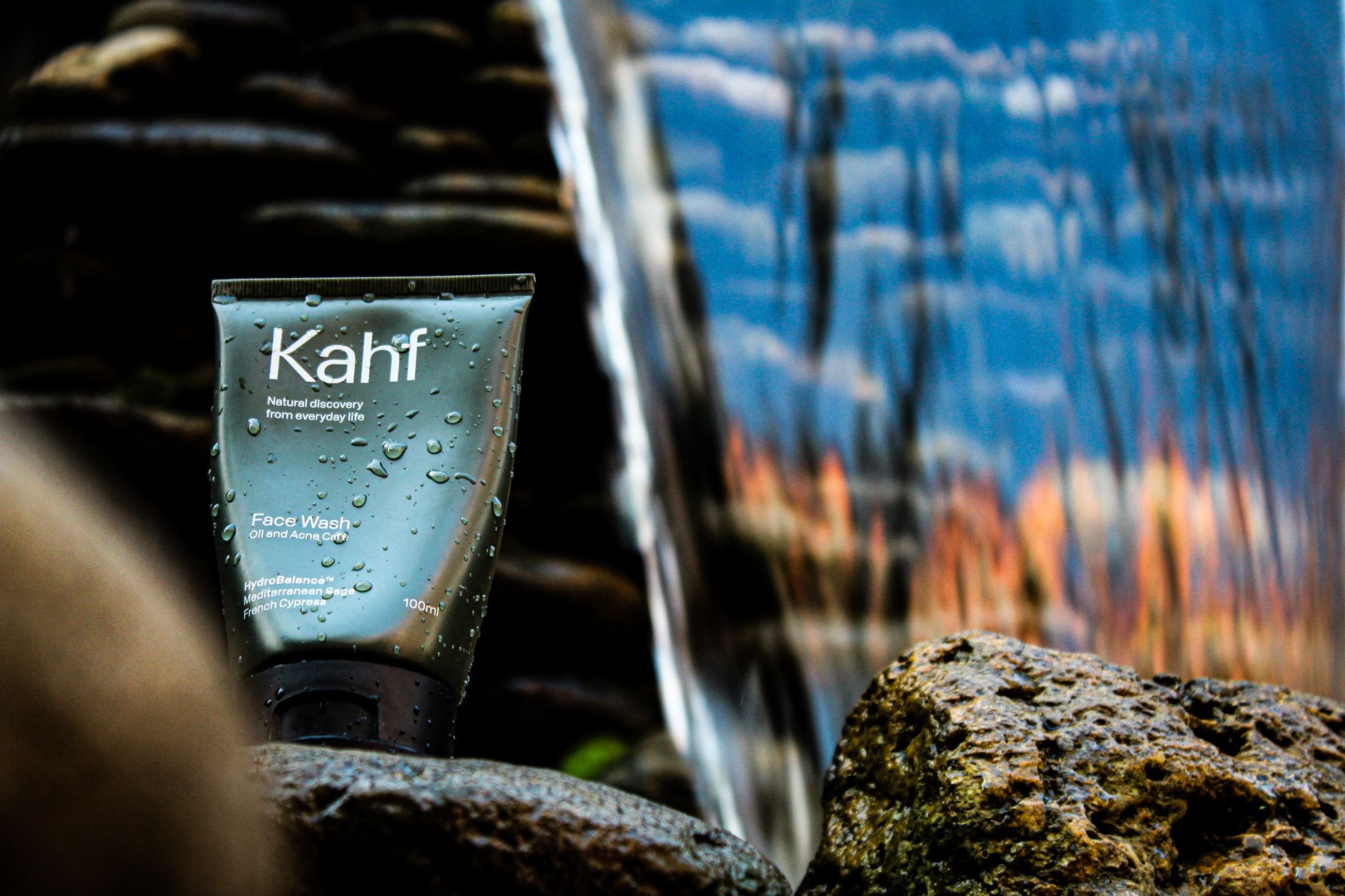
Herbal acne trial safety for teens with inflammatory acne rests on limited evidence and needs active monitoring. Herbal products sit outside standard acne care, and small short trials show lesion improvement without proving long-term safety for severe teen acne. Inflammatory acne means red, tender pimples and deeper lumps caused by clogged pores, bacteria and inflammation. For teens considering an herbal trial, the key questions are what the products can and cannot show, which side effects matter, and how to track changes safely.
Medical information disclaimer: This article is for general educational purposes only and does not provide medical advice, diagnosis, or treatment. Always consult a physician or other qualified health professional about symptoms, medications, tests, or treatment decisions.
Table of Contents
- Where herbal products fit in acne care
- What herbal trials show for lesions
- Why evidence is thin for teens
- Safety risks that need attention
- How teens can monitor an herbal trial
- Frequently Asked Questions
Where herbal products fit in acne care
The American Academy of Dermatology's 2024 acne guideline gives strong recommendations to topical benzoyl peroxide, retinoids, antibiotics and oral doxycycline or isotretinoin for severe disease. According to MDedge reporting on the guideline, herbal products remain outside standard care MDedge reporting on the 2024 AAD guideline.
That placement matters for teens with painful, widespread breakouts. Standard treatments have defined doses, treatment courses and follow-up plans. Herbal trial products vary in plant, preparation, dose and duration.
What herbal trials show for lesions
A systematic review of 34 herbal-acne clinical trials with 1,753 participants found reduced inflammatory and noninflammatory lesions and acne severity. According to the Hindawi systematic review authors, the trials used the Cochrane bias tool and differed widely in products and outcomes systematic review of 34 herbal-acne trials.
Heterogeneous products mean results do not point to one herb, dose or formula. Different outcome measures also make direct comparison difficult. Teens should read trial results as product-specific, not proof for herbs in general.
Why evidence is thin for teens
Herbal-acne studies commonly use small samples and short durations, such as 41 patients for six weeks or eight-week pilot designs. According to the Journal of Education, Health and Sport review, those designs limit conclusions about teens, severe inflammatory acne and long-term safety Journal of Education, Health and Sport review.
Short trials can miss delayed irritation, allergy, dark marks after healing and recurrence after stopping. Small groups also hide less common harms. Severe inflammatory acne needs longer follow-up than most herbal trials provide.
Safety risks that need attention
Supplements do not get premarket approval for safety, effectiveness or labeling. According to the FDA dietary supplement guide, manufacturers are responsible for meeting safety standards under existing law FDA guide to dietary supplements. Dermatology reviews warn that many acne-supplement ingredients lack randomized trials, supplements have no required postmarketing surveillance, and cases link supplements to new or worsening acne. Herbal and dietary supplements account for a growing share of Drug-Induced Liver Injury Network cases, with mislabeling and untested safety adding harm.
Tea-tree oil shows the trade-off. In trials, 5% gel reduced inflamed and noninflamed lesions but caused smarting, itching, dryness or redness in 44% versus 79% with benzoyl peroxide. Oxidized tea-tree oil can triple sensitization risk and is toxic orally. Herb-drug interaction data are also limited, so teens taking prescription medicines should discuss herbal products with clinicians.
How teens can monitor an herbal trial
Track the same measures trials use, plus tolerance and other treatments. Keep daily notes on breakouts, pain, redness, peeling and missed doses. Bring all prescription drugs, over-the-counter products and supplements to each visit.
- Count inflamed bumps, painful lumps and noninflamed whiteheads and blackheads
- Note overall severity, photos, irritation, itching, allergy signs and illness
- List all concomitant medicines, dose changes and new skin products
- Stop the product and seek care for rash, swelling, breathing trouble, dark urine, yellow eyes, severe abdominal pain or rising liver enzymes
- Report serious reactions to FDA MedWatch by phone at 800-FDA-1088 or online
Frequently Asked Questions
Can a teen join an herbal trial instead of using prescribed acne treatment?
Trials test an experimental approach and do not replace standard care. Ask the study doctor how prescribed treatments, washout periods and rescue care are handled.
What should prompt stopping an herbal product during a trial?
Stop and seek evaluation for spreading rash, swelling, severe irritation, signs of liver injury or worsening severe acne. Tell the trial team and report serious reactions to FDA MedWatch.
You Might Also Like
- Herbal Acne Trial Safety and Evidence Limits in 2026: Questions Teens With Inflammatory Acne Can Ask a Dermatologist
- Why the 2026 Acne Body Image Study Does Not Prove Causation: Study Limits and Care Implications for Teens With Acne
- Psychological Burden Across Acne Severity in 2026 Research: Study Limits and Care Implications for Teens With Acne