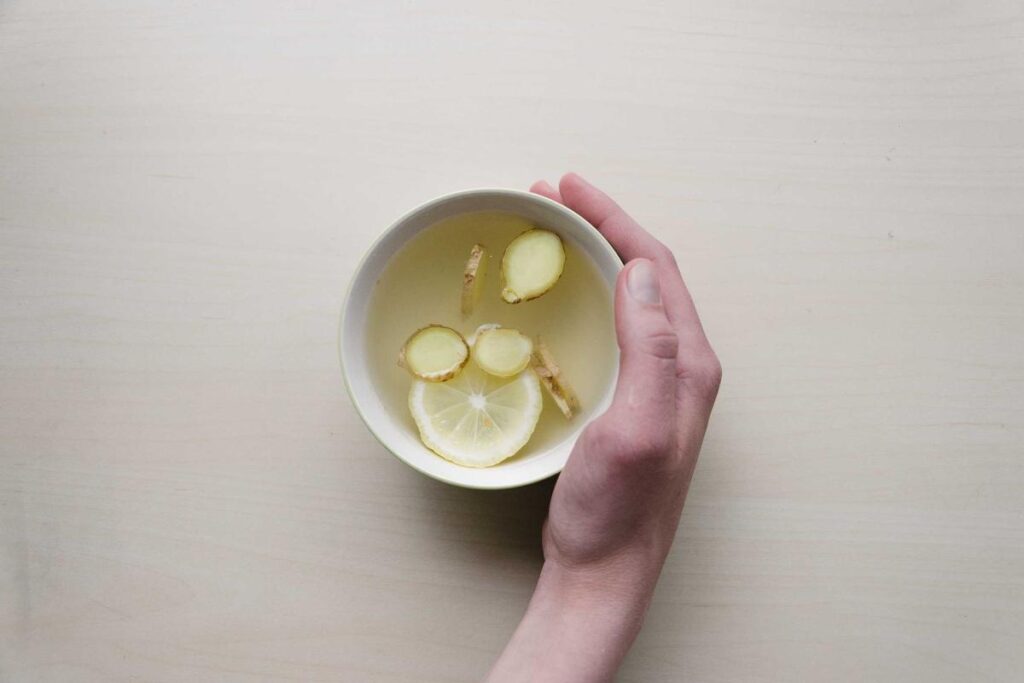
No, drinking lemon water does not clear acne or skin blemishes. Despite decades of folk remedy popularity, scientists have not conducted a single clinical study investigating whether lemon juice actually affects acne in real people. The American Academy of Dermatology has no evidence to support it, and dermatologists like Brendan Camp, M.D., explicitly state that “lemon juice alone will not clear acne.” This myth persists because lemon contains vitamin C, which does benefit skin—but only in stabilized, pharmaceutical-grade formulations, not in raw fruit juice mixed with water.
This article examines what the science actually says about lemon water, why dermatologists warn against it, and what evidence-based alternatives actually work for acne-prone skin. The confusion runs deep because lemon juice does have antimicrobial properties in laboratory settings. But a petri dish is not human skin, and drinking lemon water is not the same as applying proven acne treatments. The reality is more nuanced than the internet suggests, and understanding that distinction could save you from months of wasted time or actual skin damage.
Table of Contents
- What Research Actually Shows About Lemon Water and Acne
- The Safety Risks That Dermatologists Warn About
- Phytophotodermatitis: A Hidden Danger Most People Don’t Know About
- Vitamin C Works—But Not From Lemon Water
- The Acidity Problem: How Lemon Damages Skin Barrier Function
- Why Dermatologists Are Clear on This: The Evidence Gap
- Moving Forward: What Actually Works for Acne-Prone Skin
- Conclusion
What Research Actually Shows About Lemon Water and Acne
Clinical research on lemon juice and acne is essentially nonexistent. Acne.org, a dermatology-focused resource run by skin specialists, confirms that “scientists have not performed clinical studies investigating the effect of lemon juice directly on people with acne.” This is not a gap that future research might fill—it’s a red flag that should tell you everything you need to know. If a remedy worked reliably for acne, pharmaceutical companies and dermatology researchers would have studied it by now. The absence of research is not neutral; it suggests lemon juice is not effective enough to warrant investigation.
What makes this frustrating is that lemon does contain vitamin C, which is scientifically proven to benefit skin. Studies published in the American Journal of Clinical Nutrition found that people who consumed more vitamin C had fewer wrinkles, better skin hydration, and healthier overall complexion. However—and this is critical—the vitamin C in lemon juice is unstable, oxidizes quickly when exposed to air, and is destroyed by stomach acid during digestion. Drinking lemon water is essentially destroying the one potentially beneficial compound before your body can use it. Compare this to topical vitamin C serums or oral vitamin C supplements designed to reach skin cells intact, and you see why one works and one doesn’t.

The Safety Risks That Dermatologists Warn About
Before even considering whether lemon water helps acne, you need to understand the actual dangers. Lemon juice has a pH of 2 to 3—extremely acidic—while healthy skin maintains a pH between 4.5 and 5.5. When you apply lemon juice directly to skin (many people do this before realizing it’s dangerous), you’re essentially bathing your skin in acid strong enough to dissolve tooth enamel. This disrupts your skin’s natural protective barrier, increases inflammation, damages the microbiome of beneficial bacteria, and can trigger irritation that makes acne worse, not better. The acidity problem compounds because raw lemon juice varies unpredictably from fruit to fruit.
One lemon might be slightly less acidic, while another is extremely concentrated. This inconsistency means you can never control the dose or predict how your skin will react. You might use one lemon and experience mild irritation, then use another and suffer chemical burns. Most dermatologists do not recommend using lemon juice for any skin condition, noting that it appears to have more drawbacks than benefits. This is not opinion—this is the consensus position of medical professionals who treat skin damage for a living.
Phytophotodermatitis: A Hidden Danger Most People Don’t Know About
The most serious risk of using lemon juice on your skin is a condition called phytophotodermatitis. This occurs when lemon juice—specifically the psoralens (natural compounds) in citrus—contacts your skin and is then exposed to ultraviolet light from the sun. The result is severe chemical burns that look like painful blistering and burns, followed by intense hyperpigmentation (dark spots or patches). This hyperpigmentation is not temporary; it can persist for months or even years, creating permanent-looking damage that requires extensive dermatological treatment to fade.
Imagine applying lemon juice to a blemish in the morning, then spending the day in sunlight or using a tanning bed. You might not see symptoms until hours later, when painful red burns appear. By then, you’ve triggered a reaction that cannot be undone quickly. People have posted about their phytophotodermatitis experiences online—weeks of painful, weeping skin followed by months of dark patches requiring professional treatment. This is not a minor side effect; it’s a preventable injury that dermatologists specifically warn against, especially in spring and summer months when UV exposure is highest.

Vitamin C Works—But Not From Lemon Water
The core of the lemon myth is true: vitamin C is genuinely beneficial for skin. It acts as an antioxidant, supports collagen production, brightens dull complexion, and can help reduce fine lines with consistent use. The problem is that vitamin C in raw lemon juice is too unstable and bioavailable to work this way. When dermatologists recommend vitamin C for acne-prone or aging skin, they mean stabilized formulations like L-ascorbic acid (the most effective form), magnesium ascorbyl phosphate, or ascorbyl palmitate. These are synthesized compounds designed to remain potent through storage and on skin, penetrating effectively without the irritation.
If you want the benefits of vitamin C for your skin, you have several evidence-based options. Topical vitamin C serums applied directly to clean skin deliver the compound where it needs to work. Oral vitamin C supplements (1000mg daily or more) provide systemic support without the unpredictability of lemon juice. Or, eat foods actually rich in vitamin C: strawberries, bell peppers, kiwi, and broccoli all have higher vitamin C content than lemon, with better stability during digestion. None of these approaches comes with the risk of phytophotodermatitis or skin barrier damage. They’re simply more effective and safer.
The Acidity Problem: How Lemon Damages Skin Barrier Function
Your skin’s protective barrier—technically called the stratum corneum—is your first line of defense against bacteria, irritants, and infection. This barrier depends on a specific pH level and a balanced population of protective bacteria and lipids. When you expose skin to lemon juice’s extreme acidity, you’re essentially chemically stripping this barrier. The pH drops to dangerous levels, killing beneficial bacteria and damaging the lipid layer that holds skin cells together.
What happens next is often counterintuitive: damaged barrier skin overcompensates by producing excess sebum (oil) to try to heal itself. This creates an environment where acne bacteria thrive. You intended to treat acne but instead created conditions that make it worse. This process can take weeks to reverse, and during that time, your skin is irritated, inflamed, and more prone to breakouts and sensitivity. If you have rosacea, eczema, or any pre-existing skin condition, using lemon juice is particularly risky because your barrier is already compromised.

Why Dermatologists Are Clear on This: The Evidence Gap
Dermatologist Brendan Camp, M.D., has stated directly that “drinking lemon water may not directly impact acne bacteria” and emphasizes that “lemon juice alone will not clear acne.” This is not a wishy-washy “it might help some people” statement—it’s a clear assessment based on clinical experience and scientific literature. When dermatologists are this definitive, it’s worth listening. Most dermatologists do not recommend lemon juice for any skin condition, skin lightening, or acne treatment. They reserve recommendations for compounds and treatments actually supported by clinical evidence.
The disconnect between folk wisdom and medical consensus exists because lemon water is free, accessible, and harmless in your digestive system (for most people). It became popular precisely because no one loses money recommending it. But the skincare industry that profits from products still won’t recommend lemon juice because there’s no evidence it works. This is actually a reliable signal: if something truly worked for acne, the multibillion-dollar dermatology industry would have products containing it.
Moving Forward: What Actually Works for Acne-Prone Skin
If you’ve been using lemon water hoping it would clear your skin, stop immediately and give your skin barrier time to recover—typically 2-4 weeks of gentle cleansing and moisturizing. Instead, focus on treatments with actual evidence: benzoyl peroxide (kills acne bacteria), salicylic acid (exfoliates pores), niacinamide (reduces oil and inflammation), and azelaic acid (antimicrobial and anti-inflammatory). If you want to address vitamin C deficiency, take an oral supplement or apply a stabilized vitamin C serum from a reputable skincare brand. Your skin will thank you with clearer, less irritated results.
The broader lesson is that “natural” does not mean “safe” or “effective.” Lemon is natural, but so is hemlock and arsenic. The fact that something has been used for centuries means only that people used it for centuries, not that it worked. Acne is a complex condition involving genetics, hormones, bacteria, inflammation, and skin barrier function. It deserves treatment based on evidence, not folklore. Choose treatments your dermatologist recommends, not treatments the internet recommends.
Conclusion
Drinking lemon water will not clear your acne or fade blemishes. No clinical studies support this claim, dermatologists explicitly advise against it, and the risks—including potential phytophotodermatitis and barrier damage—outweigh any hypothetical benefits. The confusion exists because lemon contains vitamin C, which does help skin, but only in stabilized pharmaceutical formulations, not in raw juice that oxidizes and gets destroyed by stomach acid. The antimicrobial properties lemon has in a laboratory do not translate to human skin in real-world conditions.
If you’re struggling with acne, redirect your efforts toward evidence-based treatments: prescription or over-the-counter acne medications, consistent skincare with a gentle cleanser and appropriate actives, and consultation with a dermatologist if over-the-counter options don’t work. If you want the benefits of vitamin C, use a stabilized topical serum or take an oral supplement. Your skin barrier will remain intact, your results will be measurable, and you’ll avoid months of potential hyperpigmentation damage. That’s a far better investment of your time than chasing a myth.
You Might Also Like
- Fact Check: Does Drinking Water Clear Acne? Studies Show Hydration Alone Has No Direct Effect on Breakouts
- Fact Check: Does Witch Hazel Clear Acne? Limited Evidence Suggests It May Reduce Inflammation but Won’t Treat Moderate-to-Severe Cases
- Fact Check: Does Sun Exposure Help Acne? Temporary Improvement Masks Long-Term Damage and Scarring Risk