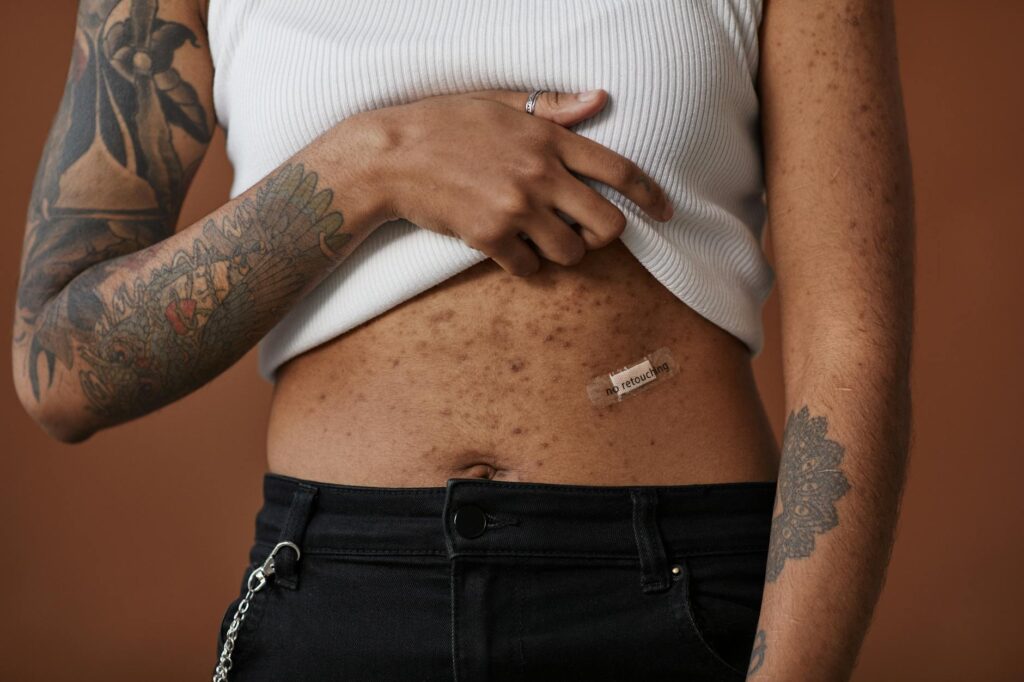
Yes, acne awareness is directly driving innovation in skincare and dermatological treatments. The global conversation around acne—moving away from stigma toward scientific understanding—has fundamentally changed how the industry invests in solutions.
Over the past five years, venture capital funding for acne-focused startups has tripled, pharmaceutical companies are revisiting long-shelved research, and universities are launching dedicated acne biology programs. This increased attention means better treatments are reaching consumers faster, from prescription retinoids that work on multiple acne pathways simultaneously to probiotic-based skincare that targets the microbiome rather than just bacteria. This article explores how growing awareness translates into concrete innovation, examines specific breakthroughs changing the treatment landscape, and shows what these advances mean for people dealing with acne at any age.
Table of Contents
- How Is Consumer Awareness Reshaping Acne Research and Development?
- What Novel Ingredients and Technologies Are Emerging from This Innovation Wave?
- How Has Acne Awareness Changed Dermatological Practice and Clinical Approaches?
- What Options Now Exist for Different Types and Severities of Acne?
- What Are the Limitations and Risks of Newer Acne Innovations?
- How Is Awareness Driving Accessibility and Inclusivity in Acne Treatment?
- Where Is Acne Innovation Headed? Future Trends and Research Directions
- Conclusion
- Frequently Asked Questions
How Is Consumer Awareness Reshaping Acne Research and Development?
When acne was viewed as a purely teenage problem, research funding was minimal and pharmaceutical interest was limited—acne was seen as minor compared to systemic diseases. The shift toward understanding acne as a complex, lifelong condition affecting adults has redirected significant resources. Dermatologists and researchers now recognize acne has multiple triggers: bacterial overgrowth, sebum production, inflammation, hormonal fluctuations, and even the skin barrier’s integrity. This multifactorial understanding means innovation no longer stops at “kill bacteria with benzoyl peroxide.” Companies are now developing treatments that address inflammation without destroying beneficial skin bacteria, formulations that regulate sebum without over-drying, and approaches that work with the skin’s natural ecosystem rather than against it. For example, companies like Aclaris Therapeutics and others are developing JAK inhibitors originally designed for immune conditions—these work by reducing inflammation at the cellular level, addressing a root cause rather than symptoms.
The awareness shift has also legitimized acne in professional and social contexts. Dermatologists are no longer dismissing adult acne as cosmetic—they’re treating it as a legitimate medical and psychological concern. This has opened funding streams from pharmaceutical companies, spurring clinical trials that wouldn’t have happened ten years ago. The result is a pipeline of novel treatments currently in development, some targeting the sebaceous gland directly, others modulating hormone sensitivity in skin, and some even using gene therapy approaches. However, increased awareness doesn’t automatically mean faster approval—regulatory pathways are rigorous, and many promising treatments remain in trials. Additionally, hype cycles can distort which innovations get funding; trendy ingredients sometimes attract venture capital over fundamentally important research.

What Novel Ingredients and Technologies Are Emerging from This Innovation Wave?
The ingredient innovation landscape has expanded dramatically. Beyond traditional options like tretinoin and benzoyl peroxide, the market now includes polyhydroxy acids (PHAs) that exfoliate gently without the irritation of AHAs, azelaic acid compounds that tackle both bacterial and inflammatory components of acne, and bakuchiol as a natural retinol alternative for sensitive skin. More sophisticated approaches include encapsulated salicylic acid that releases slowly to prevent over-irritation, niacinamide formulations designed to regulate sebum without disrupting the skin barrier, and even peptide-based treatments that strengthen skin resilience. These aren’t just incremental tweaks—they represent different approaches to solving acne, giving consumers and dermatologists real options based on skin type and acne severity. Someone with severe inflammatory acne might benefit from different chemistry than someone with comedone-prone skin. Technology integration is equally significant.
Devices combining light therapy with microneedling or radiofrequency are now available—these address multiple acne mechanisms simultaneously (bacteria, inflammation, sebum production, scarring) in one session. Some clinics use AI-powered skin analysis to match patients to the most effective topical combinations for their specific acne presentation. However, these advanced technologies come with caveats. Device-based treatments require professional administration, cost significantly more than topicals, and aren’t universally effective—some patients see dramatic improvement while others experience minimal change. Additionally, the newer the technology, the less long-term data exists about safety and sustained results. A treatment shown effective in six-month trials might not hold up after two years of consistent use.
How Has Acne Awareness Changed Dermatological Practice and Clinical Approaches?
Dermatologists now approach acne with far more nuance than previous decades allowed. Rather than prescribing the same treatment regimen to every patient, informed practitioners consider genetics, environmental factors, microbiome composition, hormonal status, and even patient lifestyle and stress levels. This personalized medicine approach exists because awareness funding has made individual research possible. Studies now examine why acne treatments work differently for different people—a finding that’s driving truly tailored protocols. For instance, someone with acne driven primarily by hormone fluctuation might do well on hormonal contraceptives combined with topical retinoids, while someone with acne triggered by follicle obstruction and bacterial overgrowth might respond better to combination oral antibiotics with benzoyl peroxide plus a chemical exfoliant.
Awareness has also normalized conversations about mental health impacts of acne, leading dermatologists to screen for depression and anxiety when prescribing long-term treatments. The clinical landscape has also shifted toward longer-term thinking. Isotretinoin (Accutane) remains an option for severe acne, but heightened awareness of its effects on mental health has led to more careful patient selection, better monitoring protocols, and exploration of whether lower doses might achieve lasting results with fewer side effects. Similarly, the push to reduce unnecessary antibiotic prescriptions has driven innovation in non-antibiotic alternatives—because awareness campaigns highlighted antibiotic resistance as a public health concern. This awareness-driven shift toward safer prescribing practices sometimes means treatments take longer to show results or require more active patient participation in skincare routines, but the trade-off is better long-term outcomes and fewer complications.

What Options Now Exist for Different Types and Severities of Acne?
Mild acne now has dozens of evidence-based options, where previously users were largely stuck with benzoyl peroxide or salicylic acid. Someone with occasional comedones might effectively use a PHA-based exfoliant or adapalene (a gentler retinoid now available over-the-counter in many countries), while someone with hormonal breakouts has options ranging from spearmint tea (with modest supporting research) to hormonal contraceptives to spironolactone depending on their health profile. Moderate acne increasingly has combination approaches—for example, a low-dose oral antibiotic paired with retinoid plus benzoyl peroxide addresses multiple mechanisms simultaneously, often with better results than any single treatment. Severe acne has the isotretinoin option plus emerging alternatives; some dermatologists now prescribe high-dose oral doxycycline with potent topicals, or combine multiple non-antibiotic actives that work synergistically. The practical benefit is that dermatologists can now match treatment intensity to actual acne severity and patient circumstances, rather than using a one-size-fits-all approach.
A patient who cannot tolerate dryness has real alternatives. A patient concerned about antibiotic resistance can pursue non-antibiotic regimens. A patient who doesn’t tolerate oral medications has advanced topical options. However, this expanded choice brings its own challenge: finding the right option often requires trial and error. A treatment that works beautifully for one person might cause irritation or have no effect for another, meaning multiple appointments and adjustments before landing on an effective regimen. Additionally, newer treatments aren’t always more effective—sometimes the most proven, cost-effective option remains a basic combination that’s been used for decades.
What Are the Limitations and Risks of Newer Acne Innovations?
The innovation wave brings both advances and cautions worth understanding. While newer treatments often work on novel mechanisms, they sometimes work less reliably than established options—a product that works for 60% of users looks promising until you’re the 40% it doesn’t help. Additionally, many newer treatments lack long-term safety data spanning years or decades. A topical compound that seems safe at six months might have unforeseen effects after two years of daily use. Innovation in acne also creates marketing opportunities; companies heavily promote novel-sounding ingredients that may have only modest evidence supporting them. For example, “probiotic” skincare has gained enormous traction based partly on legitimate microbiome research and partly on hype, and the actual effectiveness of probiotic products is still being established.
Similarly, some technology-based treatments generate impressive before-and-after photos but don’t maintain results long-term or work well for all acne types. There’s also a cost consideration. As innovation increases, so does the price floor for new treatments. Older, well-established treatments often cost a fraction of newer options, even when effectiveness is comparable. Awareness-driven innovation has created a luxury tier of acne care that wealthy consumers can access but that remains out of reach for others—widening healthcare inequity. Furthermore, the rapid pace of innovation means dermatologists must constantly update their knowledge to understand new options, creating a risk that busy practitioners default to familiar treatments they fully understand rather than exploring newer alternatives that might better suit a patient.

How Is Awareness Driving Accessibility and Inclusivity in Acne Treatment?
Increased awareness has highlighted that acne treatments developed primarily for light skin often perform differently or less effectively on darker skin tones. This has sparked research into how retinoids, benzoyl peroxide, and other actives interact with melanin-rich skin, leading to reformulations and new treatment protocols specifically studied in diverse populations. Similarly, awareness of acne in different body areas—back acne, folliculitis-like conditions, acne rosacea and acne-like conditions that are actually different diagnoses—has expanded the innovation pipeline beyond facial acne treatments. Companies are developing targeted body sprays, scalp acne treatments, and oral supplements designed for acne in specific locations.
This diversity-driven innovation means a person with body acne now has evidence-based options rather than being told to just use face products on larger areas. Accessibility awareness has also increased telemedicine options for acne consultation. Rather than requiring in-person dermatology appointments that might be weeks or months away, people can now consult board-certified dermatologists online for diagnosis and prescription acne treatments. Some platforms combine this with AI-powered skin analysis to pre-screen conditions and match patients to appropriate providers. However, prescription telemedicine for acne still varies by region and regulation, and remote diagnosis can’t replace hands-on skin examination for complex cases—so while innovation is making acne care more accessible, it’s not universally available yet.
Where Is Acne Innovation Headed? Future Trends and Research Directions
The next frontier of acne innovation is increasingly personalized and preventive rather than purely treatment-focused. Genetic research is identifying which individuals are predisposed to acne and whether specific treatments will work for their genetics—this could allow preventive strategies early in adolescence rather than treating established acne. Microbiome research is advancing rapidly; future treatments might involve precise bacterial species replacements or probiotics engineered specifically to outcompete acne-causing bacteria rather than broad-spectrum antibiotics.
There’s also growing interest in how circadian rhythms, sleep quality, and metabolic health influence sebum production and skin barrier function—innovations may eventually include circadian-aligned skincare protocols and dietary interventions based on individual metabolic profiles. The acne innovation landscape reflects a broader healthcare trend: moving from one-size-fits-all treatments to precision medicine approaches. As awareness continues to grow and research funding increases, expect treatments that are more effective, safer, and tailored to individual needs—alongside a corresponding need for better education to help consumers and providers navigate increasingly complex options.
Conclusion
Acne awareness genuinely is driving innovation, but the reality is more nuanced than simply “new treatments are better.” Awareness has catalyzed research funding, legitimized acne as a medical condition worthy of scientific attention, and sparked development of treatments addressing multiple acne mechanisms through different approaches. For consumers, this means a wider range of evidence-based options tailored to different acne types, skin sensitivities, and personal preferences than existed a decade ago.
However, innovation doesn’t automatically mean improvement for any given individual—newer treatments aren’t always more effective than established ones, they often cost more, and finding the right option typically requires some trial and error guided by a knowledgeable dermatologist. Moving forward, the most practical approach is working with a dermatologist who understands both established treatments and emerging innovations, willing to adjust protocols based on your specific results rather than defaulting to whatever is newest. The explosion of acne treatment options is genuinely beneficial, but only if you can navigate toward what actually works for your skin rather than being swayed by marketing hype surrounding novel-sounding ingredients.
Frequently Asked Questions
Are newer acne treatments always more effective than older ones?
Not necessarily. Established treatments like tretinoin and benzoyl peroxide remain highly effective and have decades of safety data. Many newer treatments work well for some patients but not others. Effectiveness depends on your specific acne type and skin characteristics, not the treatment’s age.
Is innovation making acne treatment more expensive?
Yes, in general. Established treatments are typically cheaper than newer options. However, older treatments aren’t always covered by insurance while some newer ones are, so actual out-of-pocket cost varies. Cost shouldn’t be the only factor—the right treatment for your skin is the one that works, whether it’s inexpensive or costly.
Can I rely on new acne products advertised as “innovative” or “scientifically formulated”?
Be skeptical of marketing language. Look for specific active ingredients with published research supporting their use for acne, and verify that research involved actual acne patients (not just lab studies). Ingredients with long safety history may be more reliable than trendy new ones, though newer actives can be genuinely useful.
Should I see a dermatologist to navigate all these acne treatment options?
Yes, if possible. A dermatologist can assess your specific acne type, skin sensitivity, and health history to recommend options likely to work for you—rather than you guessing among dozens of possibilities. Telemedicine dermatology is increasingly available if in-person visits aren’t accessible.
Are device-based acne treatments like laser therapy worth the cost?
Device treatments can be effective, but results vary significantly and they cost substantially more than topical treatments. They’re often best combined with topical or oral treatments rather than used alone. Results typically aren’t permanent—maintenance treatments are often needed.
Can diet and lifestyle changes replace medical acne treatment?
Diet and lifestyle improvements (sleep, stress, hydration, gentle skincare) support acne recovery but rarely eliminate moderate-to-severe acne on their own. They work best alongside evidence-based medical treatments rather than as replacements.