
Experts are highlighting a significant shift in how acne is understood and treated in 2026. The condition is affecting far more people than previously documented, with global prevalence among those over 16 reaching 9.4-20.5%, and approximately 85% of young people aged 12-24 experiencing at least minor acne. In the U.S.
alone, about 50 million people are affected annually, and this number has grown 14.5% over the past decade. What experts stress most urgently, however, is that acne is no longer just a teenage concern—rising rates of adult acne, particularly among women, combined with newly recognized psychological impacts and evolving treatment innovations, are fundamentally changing how dermatologists and consumers approach this common skin condition. This article covers what experts are highlighting about current acne awareness trends, from the epidemiological data reshaping clinical practice to the innovative treatments gaining traction, and what these trends mean for anyone dealing with acne.
Table of Contents
- How Adult Acne Is Reshaping Expert Understanding
- The Psychological Toll That Experts Say We’re Finally Addressing
- Why Experts Are Focusing on the Treatment Access Gap
- How Treatment Recommendations Have Evolved
- Market Growth Reflecting Increased Consumer Awareness
- The Awareness Gap in Underserved Communities
- Looking Forward—What Experts Predict for 2026 and Beyond
- Conclusion
How Adult Acne Is Reshaping Expert Understanding
The acne awareness conversation has shifted dramatically in recent years, with dermatologists now recognizing that this is not primarily a teenage disease. Adult acne now affects up to 15% of women, a figure that represents a notable increase, and the prevalence among young adults aged 16-24 reaches 28.3%. Even more striking, approximately 1 in 5 individuals aged 25-39 experience acne, making it a persistent concern well into adulthood.
Gender differences are significant: women experience acne at a rate of 23.6% compared to 17.6% in men, a disparity that experts attribute to hormonal fluctuations, lifestyle factors, and increased product use. This shift in who gets acne has important implications for awareness. For decades, acne was positioned as a coming-of-age problem that people would simply “grow out of.” Experts now recognize that this narrative left many adults struggling in silence, assuming their breakouts were abnormal or something they should have resolved by their 20s or 30s. The growing prevalence of adult acne has made it a legitimate clinical concern, not a cosmetic afterthought, and this reframing is encouraging more people to seek professional help rather than defaulting to over-the-counter spot treatments.

The Psychological Toll That Experts Say We’re Finally Addressing
One of the most significant awareness shifts among experts concerns the mental health impact of acne. Research shows that 96% of acne sufferers reported depression about their condition, while 46% experienced self-esteem issues directly tied to their breakouts. Even more concerning, 31% of affected individuals actively avoided social situations because of their acne. These statistics represent not minor inconveniences but genuine psychological distress that can affect education, career, and relationships.
However, a crucial limitation in current awareness remains: most people dealing with acne don’t recognize these mental health impacts as legitimate clinical concerns worth addressing with a professional. Instead, many normalize their anxiety or withdrawal as a personal weakness rather than a natural response to a visible condition. Experts are working to shift this perspective, emphasizing that if acne is affecting your mental health or social life, that becomes a valid medical reason to seek dermatological care, not just for skin improvement but for overall wellbeing. This reframing has significant implications for how acne treatment is prioritized in healthcare settings and personal decision-making.
Why Experts Are Focusing on the Treatment Access Gap
Despite the rising prevalence and psychological impact, research reveals a troubling gap: only one-third of people affected by acne actually consult a dermatologist about their condition. The majority instead rely on self-medication, over-the-counter products, or home remedies. This treatment gap is a major focus of expert awareness campaigns because it means millions of people are managing acne without professional guidance, often using treatments that don’t address their specific acne type or underlying causes. Experts highlight this gap because the solutions exist.
For someone with hormonal acne, a home remedy based on tea tree oil won’t address the root cause. For someone with severe inflammatory acne, a gentle cleanser won’t prevent permanent scarring. The awareness trend isn’t just about acknowledging that acne is common—it’s about encouraging people to recognize that professional dermatological care is accessible and often necessary. This shift in emphasis has direct implications for how people approach acne, moving from a consumer-product mentality to a medical-care approach.
How Treatment Recommendations Have Evolved
The way experts recommend treating acne has fundamentally changed. Rather than complex multi-step regimens involving multiple actives and layered treatments, dermatologists are increasingly recommending simpler, once-daily monotherapy approaches. This shift reflects both clinical evidence and a recognition that simpler routines have better adherence and fewer side effects. One acne sufferer might be prescribed a single retinoid, while another gets a straightforward antibiotic or benzoyl peroxide solution—tailored rather than complicated.
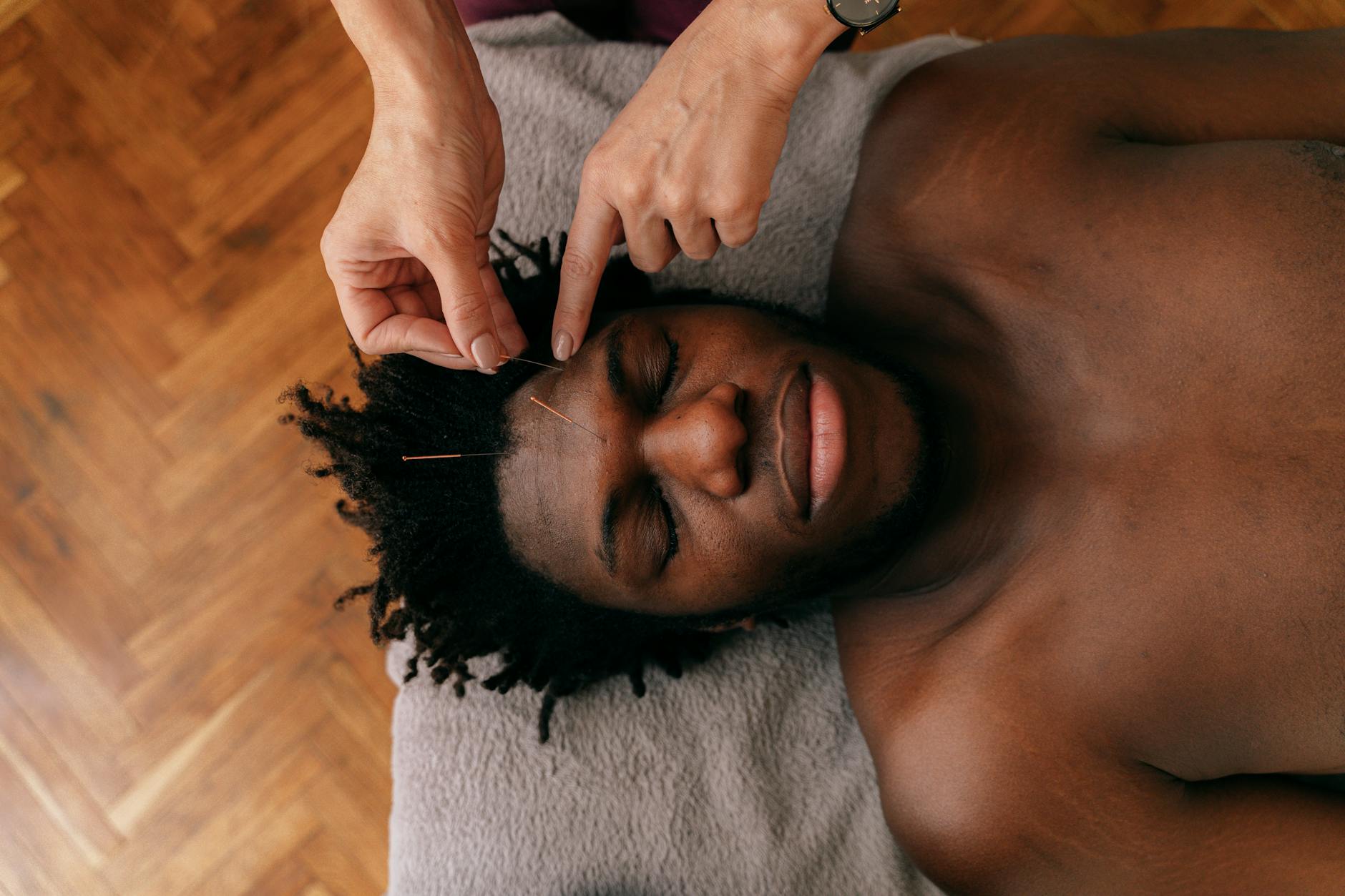
Beyond traditional approaches, new technologies are emerging. The 1726-nanometer laser (AVICLEAR) represents a significant innovation, targeting the sebaceous glands directly rather than just treating the surface. Looking ahead to 2026, experts are highlighting the rising importance of AI-personalized skincare, microbiome-supportive ingredients, and postbiotic therapies that work with your skin’s natural bacterial ecosystem rather than against it. The comparison is striking: where earlier acne sufferers faced drawer-fulls of products with conflicting instructions, modern treatment emphasizes precision and simplicity. However, a limitation exists here too—newer innovations like AVICLEAR laser or AI-personalized treatments are not yet universally available and may be cost-prohibitive for many, meaning the treatment access gap persists even as innovations advance.
Market Growth Reflecting Increased Consumer Awareness
The financial market around acne treatment is expanding rapidly, reaching $1.7 billion in mass market sales in 2025, up 5% from the prior year. More revealing than raw dollar figures are the specific search trends: Google searches for “acne treatment” grew 19% to 424,000 average monthly searches in 2025, “pimple patch” searches grew 23%, and “acne scar treatment” searches grew 32%. These disparities matter—the spike in scar treatment searches suggests people are becoming aware that acne’s impact extends beyond active breakouts to long-term skin damage. The market growth reflects genuine consumer engagement rather than just marketing hype, which experts view as a positive sign.
People are actively researching solutions, experimenting with new products, and increasingly demanding better options. However, a significant warning exists: more consumer interest and more products don’t automatically translate to better outcomes. The abundance of choice can paralyze decision-making, and unvetted products promoted through social media may worsen acne or cause allergic reactions. Experts emphasize that consumer awareness should be paired with professional guidance, not replaced by it.
The Awareness Gap in Underserved Communities
While overall awareness is rising, experts highlight that this awareness isn’t evenly distributed. Dermatological care remains less accessible in rural areas and among lower-income populations.
The fact that only one-third of affected people consult a dermatologist masks significant geographic and socioeconomic disparities. A teenager in an urban area with insurance may easily access professional care, while someone in a rural community or without insurance continues relying on home remedies or unregulated internet advice. This gap in awareness and access remains a critical concern for experts focused on equitable healthcare.
Looking Forward—What Experts Predict for 2026 and Beyond
Experts predict that acne awareness will continue shifting toward personalization and prevention. As 2026 progresses, we’ll likely see more AI-driven skincare recommendations, microbiome testing to identify individual bacterial patterns, and treatments that move beyond one-size-fits-all approaches. The trend is toward precision medicine—understanding your specific acne triggers, your skin’s bacterial composition, and your individual response to treatment rather than cycling through generic products.
This forward-looking perspective reflects a maturation in how dermatology views acne. It’s no longer positioned as a minor cosmetic issue or a teenage inevitability. Instead, it’s recognized as a complex, multifactorial condition affecting adults, with psychological consequences, multiple effective treatments, and continuing innovation. The awareness trend itself is the story—that acne is finally getting the clinical attention, consumer attention, and research investment it deserves.
Conclusion
The key awareness trends experts are highlighting in 2026 center on three themes: the rising prevalence of acne globally and in adults specifically, the significant psychological impact that can justify professional treatment seeking, and the evolution toward simpler, more effective, and more personalized approaches to management. The data shows that approximately 50 million Americans experience acne annually, with prevalence increasing notably even as awareness of treatment options improves. Yet a critical gap remains—only one-third of affected individuals consult a dermatologist, meaning awareness hasn’t fully translated to action.
If you’re dealing with acne, the expert consensus suggests treating it as a legitimate medical concern rather than a cosmetic inconvenience. Whether your acne is affecting your mental health, causing visible scarring, persisting into adulthood, or simply not responding to over-the-counter approaches, professional dermatological consultation represents the evidence-based next step. The trends experts are highlighting suggest that effective, personalized acne solutions exist—the growing awareness movement is about ensuring more people actually access them.