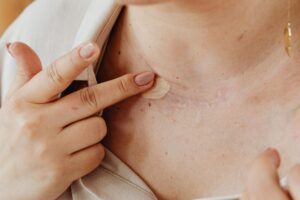
Experts across dermatology, mental health, and public health are rallying behind a growing acne awareness movement that reframes acne not as a cosmetic inconvenience but as a legitimate medical and psychological concern deserving serious attention. This shift reflects decades of research showing that acne affects over 50 million Americans annually and carries documented impacts on self-esteem, social interaction, and mental health that extend far beyond the skin. The movement advocates for earlier intervention, reduced stigma around acne treatment, and better access to evidence-based therapies—changes that require coordination between dermatologists, general practitioners, educators, and patients themselves. This article explores what experts mean by the acne awareness movement, why they believe it matters, the barriers they’re working to dismantle, and how both patients and healthcare providers can engage with this push for better acne management.
Table of Contents
- What Do Experts Mean by the Acne Awareness Movement?
- Why Are Experts Pushing This Awareness Now?
- How Are Educators and Healthcare Providers Implementing Awareness?
- What Practical Changes Are Experts Advocating For?
- What Barriers Does the Movement Still Face?
- How Are Patient Communities Shaping the Awareness Movement?
- What’s the Future of Acne Awareness and Treatment?
- Conclusion
- Frequently Asked Questions
What Do Experts Mean by the Acne Awareness Movement?
The acne awareness movement represents a coordinated effort by dermatological organizations, mental health professionals, and patient advocacy groups to elevate acne from a dismissed teenage rite of passage to a recognized public health priority. Organizations like the American Academy of Dermatology have increasingly released public education campaigns emphasizing that acne is a treatable condition and not a reflection of poor hygiene or personal failure—misconceptions that persist despite contradicting clinical evidence. The movement encompasses multiple dimensions: educating the public about acne types and triggers, reducing shame associated with the condition, encouraging earlier medical consultation, and advocating for insurance coverage and access improvements.
One concrete example is the European Dermatology Forum’s expanded patient education materials, which now explicitly address the psychological impact of acne alongside treatment options. Similarly, major dermatology conferences now dedicate sessions to “acne and mental health” as a core topic rather than a peripheral concern. The movement also includes workplace initiatives; some dermatologists have begun documenting mental health impacts in patient records to support insurance coverage arguments for treatments that insurers might otherwise classify as cosmetic.

Why Are Experts Pushing This Awareness Now?
Research over the past 15 years has solidified the link between acne and psychological distress in ways that earlier studies only suggested. Studies published in journals like the Journal of the American Academy of Dermatology show that acne patients report depression, anxiety, and social withdrawal at rates comparable to or exceeding those of patients with chronic conditions like asthma or diabetes. experts point out that acne typically appears during adolescence and early adulthood—precisely when social identity formation and peer relationships matter most—amplifying the condition’s psychological weight. This research has given experts a stronger scientific foundation for arguing that acne warrants the same systematic public health attention directed at other skin conditions.
However, the movement isn’t universal or without friction. Some dermatologists argue that overemphasizing the psychological burden of acne risks pathologizing normal adolescent insecurity or conflating acne with more serious mental illness. Additionally, the movement sometimes struggles in resource-limited settings where access to dermatologists is already scarce; emphasizing acne awareness without simultaneously funding treatment infrastructure can leave patients more aware of a condition they cannot access treatment for, potentially worsening hopelessness. Geographic disparities mean that acne awareness campaigns reaching urban populations may have minimal impact in rural areas where a dermatologist visit requires extensive travel.
How Are Educators and Healthcare Providers Implementing Awareness?
Medical schools and nursing programs are increasingly incorporating acne management into their curricula, recognizing that primary care providers often serve as a patient’s first point of contact. The American Academy of Family Physicians has published updated guidelines positioning family medicine doctors to diagnose acne severity and initiate first-line treatments rather than defaulting to dermatology referrals for all cases. High schools and colleges are also becoming focal points; some institutions now include acne management information in health classes or offer over-the-counter acne treatments in student health centers without requiring a clinic visit—reducing barriers to early-stage intervention.
A specific example: the University of Michigan’s student health center implemented a nurse-led acne screening program that triages students into self-care, pharmacy consultation, or dermatology referral pathways. This model has reduced dermatology wait times by 30 percent while ensuring students with severe acne reach specialists faster. Educational campaigns also target parents; many adults don’t realize that untreated acne in their teenagers increases depression and anxiety risk, and programs aimed at parents have shown modest success in encouraging earlier treatment-seeking behavior.

What Practical Changes Are Experts Advocating For?
Experts are pushing for three interconnected practical changes: insurance coverage reform, streamlined access to dermatologists, and expanded use of telemedicine. Many health insurance plans currently classify most acne treatments as cosmetic, particularly for mild-to-moderate acne, requiring patients to pay out-of-pocket for medications that cost $50-300 monthly. Dermatologists argue that this classification ignores the documented mental health costs of untreated acne and creates a system where wealthier patients access treatment while lower-income patients do not.
Some states have begun revising insurance guidelines to cover acne treatment for patients under 25 or for cases demonstrating documented psychological impact. Telemedicine has emerged as a partial solution, allowing dermatologists to evaluate acne via high-resolution photos and video consultation—bypassing geography-based access barriers. However, telemedicine has a meaningful limitation: severe cystic acne, acne scarring, and complex skin types often require in-person assessment and extraction/injection procedures that cannot be performed remotely. Some patients have also reported that online dermatologists tend toward prescribing isotretinoin (Accutane) more readily than in-person doctors, possibly due to reduced liability concerns in the absence of in-person monitoring, creating a tradeoff between accessibility and potentially over-aggressive treatment.
What Barriers Does the Movement Still Face?
Despite growing momentum, the acne awareness movement encounters persistent skepticism rooted in the entrenched perception of acne as cosmetic rather than medical. Insurance companies resist coverage expansion, arguing that acne is not life-threatening and that covering it sets precedent for covering other appearance-related conditions. Additionally, some patients internalize shame so deeply that awareness campaigns alone don’t change behavior; knowing that acne is treatable doesn’t automatically translate into seeking treatment if a patient believes they don’t “deserve” medical resources or fears judgment from healthcare providers.
The movement also struggles with appropriate scope. Not all acne warrants medical intervention; mild comedonal acne often resolves with basic skincare, and routine over-the-counter approaches should remain first-line options. Excessive medicalization of acne could lead to unnecessary antibiotic prescriptions, contributing to antibiotic resistance, or inappropriate use of isotretinoin, which carries risks of birth defects and must be monitored with regular lab work. Experts acknowledge this limitation: the movement advocates for evidence-based intervention at appropriate severity levels, not treatment of all acne regardless of burden or severity.
How Are Patient Communities Shaping the Awareness Movement?
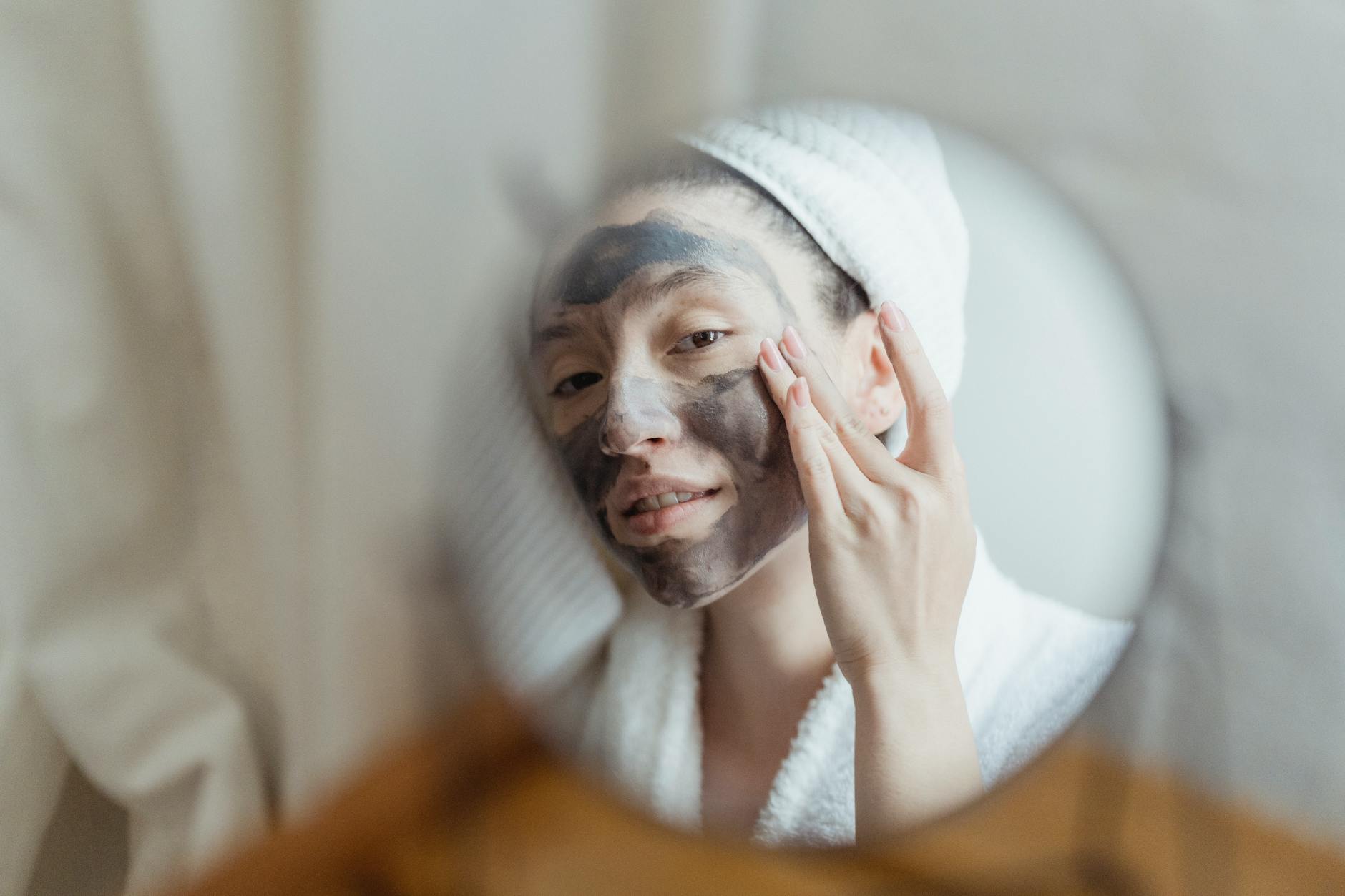
Patient advocacy groups have become essential drivers of the acne awareness movement, often pushing experts to move faster and speak louder than institutional inertia would allow. Online communities like r/acne on Reddit, Instagram accounts dedicated to acne positivity and treatment journeys, and nonprofit organizations like the Dermatology Foundation have collectively normalized open discussion of acne and created spaces where patients share treatment experiences and emotional support. These grassroots efforts have sometimes outpaced professional medical societies in acknowledging acne’s psychological toll.
One notable example is the “Acne Positivity” movement on social media, where individuals post unfiltered photos of their acne to challenge beauty standards and reduce shame. Dermatologists have noted that this visibility has indirectly benefited their practices; patients arriving for consultations often report feeling less alone after seeing others’ acne journeys online. However, this also creates potential for misinformation—viral social media accounts sometimes promote unproven or harmful acne treatments, requiring experts to engage in public education to counter false claims without appearing dismissive of patient communities.
What’s the Future of Acne Awareness and Treatment?
Experts expect the acne awareness movement to continue expanding as mental health integration becomes standard in healthcare. Emerging research into the microbiome, hormonal drivers of acne, and genetic predisposition suggests that future acne management will become increasingly personalized—moving beyond generic “use benzoyl peroxide” advice toward tailored treatment plans. This shift will require acne awareness to evolve beyond reducing stigma toward helping patients understand their individual acne drivers.
Looking forward, experts anticipate that successful acne awareness movements will look less like anti-acne campaigns and more like integrated skin-health and mental-health initiatives. Some dermatology departments are already piloting co-consultation models where dermatologists and psychologists or counselors assess acne patients together, addressing both the physical condition and any associated anxiety or depression. As this model spreads, acne awareness becomes not an isolated public health push but part of a broader reframing of dermatology as medicine that affects overall wellbeing.
Conclusion
The acne awareness movement reflects a fundamental shift in how medical and mental health experts understand acne’s impact. Rather than dismissing acne as a cosmetic issue or inevitable adolescent experience, experts now document its real effects on psychology, quality of life, and social function—and advocate for treatment access and reduced stigma accordingly. This shift is not rhetorical posturing but is grounded in decades of research showing that acne affects millions, carries psychological weight comparable to more “serious” conditions, and responds well to evidence-based treatment when patients access it.
For patients, the practical takeaway is straightforward: acne is treatable, seeking dermatological care is medically justified, and psychological distress from acne is a legitimate reason to pursue treatment. For healthcare systems and insurers, the movement challenges the assumption that appearance-related conditions warrant less attention or resources than other health domains. Whether the movement succeeds in reshaping insurance coverage, dermatological access, and public perception remains an ongoing effort—but the direction is clear, and the evidence supporting it continues to accumulate.
Frequently Asked Questions
Is acne really a mental health issue, or is that overselling it?
Acne itself is not a mental health disorder, but research consistently shows that acne significantly correlates with depression, anxiety, and social withdrawal—especially in adolescents and young adults. The psychological impact is real and documented, which is why experts now recommend assessing mental health effects as part of acne diagnosis and treatment planning.
Why do some dermatologists still treat acne as cosmetic?
Historical precedent, insurance classification systems that define most acne treatments as cosmetic, and the fact that acne is not life-threatening all contribute. Additionally, some dermatologists distinguish between mild acne (which may warrant self-care first) and moderate-to-severe acne (which warrants medical intervention), which can create the appearance of inconsistency in how acne is approached.
Does the acne awareness movement mean everyone should go on prescription medication?
No. The movement advocates for evidence-based treatment matched to acne severity and individual circumstances. Mild acne often improves with consistent over-the-counter skincare; the awareness movement’s goal is ensuring that people with moderate-to-severe acne or significant psychological burden can access dermatological care without stigma or financial barriers.
What’s the difference between acne awareness and acne medicalization?
Awareness emphasizes recognition that acne is treatable and has real impacts; medicalization refers to labeling something as a medical problem requiring professional intervention. The awareness movement walks a line—advocating that acne deserves medical attention when appropriate while avoiding the trap of treating trivial acne as a disease requiring heavy intervention.
How can I find a dermatologist who takes the acne awareness perspective seriously?
Look for dermatologists affiliated with academic medical centers or those who list mental health assessment or counseling referrals as part of their acne management. Reading online reviews that mention how dermatologists addressed emotional aspects of acne, not just physical treatment, can also help identify providers aligned with the awareness movement.