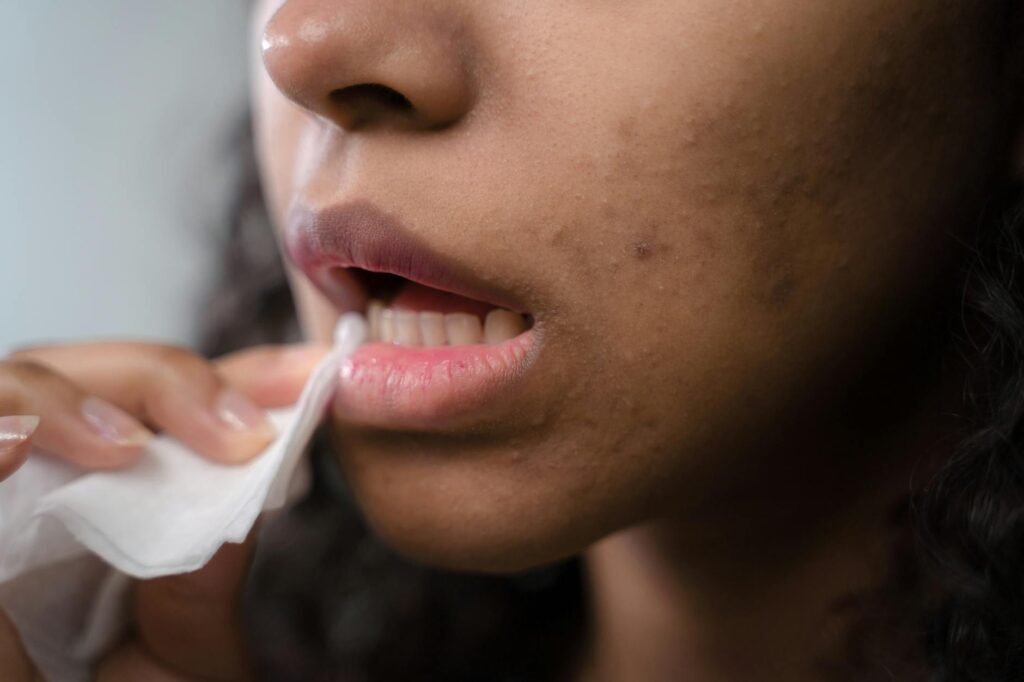
Cold weather typically makes acne worse, not better. While many people assume that the absence of summer humidity and sweat would give their skin a break, winter creates a different set of challenges that often trigger breakouts. The dry, cold air strips moisture from the skin’s outer layer, prompting the sebaceous glands to compensate by producing more oil””the exact condition that clogs pores and feeds acne-causing bacteria. Someone who manages their acne well during warmer months might find themselves dealing with an unexpected flare-up in December, puzzled by what changed when they didn’t alter their routine. The relationship between cold weather and acne is more nuanced than a simple cause-and-effect, however.
Indoor heating, hot showers, heavier skincare products, and even the fabrics we wear during winter all contribute to the problem. A person bundled in a wool scarf, for instance, may develop acne mechanica along their jawline from the friction and trapped moisture, even if the rest of their face remains clear. Understanding these specific winter triggers allows for targeted prevention rather than guessing at solutions. This article examines why cold weather creates conditions favorable to breakouts, how indoor environments compound the problem, which skincare adjustments actually help, and what common winter habits to avoid. We’ll also address special considerations for those using prescription acne treatments during colder months.
Table of Contents
- Why Does Cold Air Trigger Acne Breakouts?
- How Indoor Heating Affects Your Skin’s Oil Balance
- The Hidden Role of Winter Skincare Habits
- Adjusting Your Routine for Cold Weather Acne Prevention
- Common Winter Habits That Worsen Breakouts
- How Prescription Acne Treatments Interact with Cold Weather
- Dietary and Lifestyle Factors in Winter Acne
- Looking Ahead: Managing Acne Year-Round
- Conclusion
Why Does Cold Air Trigger Acne Breakouts?
The skin operates as a self-regulating system, and cold weather disrupts its equilibrium in several ways. When temperatures drop and humidity decreases, the stratum corneum””the skin’s outermost protective layer””loses water faster than it can be replaced. This dehydration triggers a compensatory response: the sebaceous glands ramp up oil production to prevent further moisture loss. For someone prone to acne, this excess sebum mixes with dead skin cells and becomes trapped in pores, creating the perfect environment for Cutibacterium acnes bacteria to thrive. Wind compounds the damage by physically stripping lipids from the skin’s surface.
Consider someone who walks to work each morning in January, facing into a cold wind for twenty minutes. By the time they reach their office, their skin barrier has been compromised in ways that won’t become visible for several days. The inflammation and breakouts that follow seem to appear out of nowhere, making it difficult to connect them to that morning commute. Cold temperatures also slow cellular turnover, meaning dead skin cells accumulate on the surface longer than they do in warmer conditions. This buildup doesn’t just make skin look dull””it blocks pores and traps sebum underneath. The combination of excess oil production and slower cell shedding creates a backlog that manifests as closed comedones, those small flesh-colored bumps that precede inflamed pimples.
How Indoor Heating Affects Your Skin’s Oil Balance
Central heating creates an environment with humidity levels often below 30 percent””lower than the Sahara Desert during many months. This artificially dry indoor air pulls moisture from any available source, including human skin. Spending eight hours a day in a heated office subjects the skin to constant dehydration stress, and the sebaceous glands respond accordingly. The irony is that people often feel their skin is “less oily” in winter because the surface feels tight and dry, when in reality their pores are producing more sebum than during humid summer months. The contrast between indoor and outdoor environments adds another layer of stress.
Walking from a heated building into freezing temperatures, then back into heating, forces the skin to constantly readjust. Blood vessels constrict in the cold and dilate in warmth, and this repeated cycling can weaken capillary walls over time while also triggering inflammation. For acne-prone skin, inflammation is the last thing needed””it transforms clogged pores into red, painful cysts. However, if you work from home or have control over your environment, a humidifier can partially offset this damage. The limitation here is that humidifiers only help the immediate area; the moment you step into a car, store, or any other heated space, your skin faces the same dry conditions. This is why topical protection through proper moisturizing remains essential even when you address environmental humidity.
The Hidden Role of Winter Skincare Habits
People instinctively change their routines when the weather turns cold, and many of these adjustments backfire. Hot showers feel necessary after being outside in freezing temperatures, but water above 105 degrees Fahrenheit dissolves the skin’s natural oils far more aggressively than lukewarm water. A fifteen-minute hot shower can undo the benefits of even the most expensive moisturizer applied afterward. The relief of warming up comes at the cost of compromised barrier function for the next several hours. Switching to heavier creams and oils presents another trap. Someone whose lightweight gel moisturizer worked perfectly in August might reach for a thick cream in January, assuming their dry-feeling skin needs more richness.
If that cream contains comedogenic ingredients like coconut oil, lanolin, or certain silicones, they’ve just introduced pore-clogging agents directly onto vulnerable skin. The breakout that follows two weeks later gets blamed on “winter skin” when the real culprit is sitting on the bathroom counter. Exfoliation habits also shift problematically. Feeling the roughness of accumulated dead skin, many people increase their use of scrubs and acids during winter. Physical exfoliants create micro-tears in already-compromised skin, while overusing chemical exfoliants like glycolic acid can destroy the moisture barrier entirely. The result is sensitized skin that’s simultaneously dry and breaking out””a frustrating combination that resists most interventions.
Adjusting Your Routine for Cold Weather Acne Prevention
The most effective winter skincare adjustment is counterintuitive: scale back active ingredients rather than adding more. Someone using a retinoid three times weekly in summer might need to reduce to twice weekly in winter, allowing the skin to maintain adequate hydration between applications. This doesn’t mean abandoning acne treatments, but rather giving the skin enough recovery time to keep its barrier intact. A weakened barrier lets bacteria penetrate more easily, negating any benefit from the active ingredient. Moisturizer selection requires attention to specific ingredients rather than just texture.
Hyaluronic acid draws moisture from the environment into the skin””but in very dry conditions, it can pull moisture from deeper skin layers instead, potentially worsening dehydration. Pairing hyaluronic acid with an occlusive ingredient like squalane or a ceramide-based product creates a seal that prevents this backfiring effect. The comparison worth noting: a simple ceramide moisturizer often outperforms expensive “hydrating serums” in winter because it actually fixes the barrier rather than just adding water that evaporates. Sunscreen remains non-negotiable even in winter, particularly for anyone using acne medications. Snow reflects up to 80 percent of UV radiation, meaning a sunny winter day can deliver more UV exposure than a summer day spent in shade. The tradeoff with winter sunscreen is finding formulas that don’t add to the comedogenic load; mineral sunscreens with zinc oxide tend to be less pore-clogging than chemical filters, though they may leave a white cast that bothers some users.
Common Winter Habits That Worsen Breakouts
Touching the face increases dramatically during cold and flu season, and every touch transfers bacteria and irritants to the skin. Someone who rubs their nose repeatedly due to winter allergies or colds deposits oils, germs, and friction onto an area already prone to breakouts. The nasal creases and chin become particular problem zones because they receive the most contact from hands and tissues. Scarves, turtlenecks, and other fabrics that contact the face create conditions for acne mechanica. Wool is especially problematic””its fibers irritate the skin while trapping heat and moisture against the face.
A person who develops breakouts along their jawline and neck only during winter should examine whether fabric friction is the cause. Switching to smooth fabrics like silk or moisture-wicking synthetics for anything touching the face can eliminate this trigger entirely, though these materials don’t provide the same warmth as wool. The warning here applies especially to athletes and outdoor workers: helmets, balaclavas, and face masks worn for cold protection can create severe acne mechanica if not managed properly. Wearing a thin, breathable liner underneath, washing the fabric frequently, and applying a non-comedogenic barrier product before putting on face-covering gear all help reduce friction-induced breakouts. Ignoring this issue leads to deep, cystic acne that scars more readily than standard breakouts.
How Prescription Acne Treatments Interact with Cold Weather
Retinoids, benzoyl peroxide, and other prescription acne medications increase skin sensitivity and dryness under normal conditions. Winter amplifies these side effects significantly. A patient starting tretinoin in January faces a much steeper adjustment period than someone beginning in April, often experiencing peeling and irritation that discourages them from continuing treatment. Dermatologists familiar with this pattern may recommend initiating new prescriptions in spring or summer when possible, or starting with lower concentrations during winter months.
Accutane (isotretinoin) users face particular challenges. The medication causes systemic dryness affecting lips, nasal passages, and skin throughout the body. Winter’s dry air makes these side effects considerably worse. Someone on isotretinoin during cold months may find their lips cracking and bleeding despite constant balm application, and their skin flaking regardless of how much moisturizer they use. Close communication with the prescribing physician about adjusting supportive care becomes essential.
Dietary and Lifestyle Factors in Winter Acne
Winter eating patterns often shift toward comfort foods higher in refined carbohydrates and dairy, both of which have demonstrated associations with acne in some individuals. Holiday gatherings concentrate these dietary triggers into a short period, and the breakouts that follow in early January may seem mysterious until diet is considered. Someone prone to dietary acne triggers might notice improvement by maintaining their usual eating patterns through the holiday season, even when surrounded by tempting alternatives.
Reduced physical activity during cold months affects skin in indirect ways. Exercise promotes circulation and helps regulate hormones that influence sebum production. A person who runs outdoors three times weekly in summer but becomes sedentary in winter loses these benefits. Indoor exercise alternatives maintain the skin-health benefits of activity without the cold exposure.
Looking Ahead: Managing Acne Year-Round
Understanding seasonal patterns in acne allows for proactive rather than reactive treatment. Someone who knows their skin struggles every November can begin winter-specific adjustments in October, building up their moisture barrier before the damage starts. This forward-thinking approach prevents the cycle of damage and recovery that characterizes most people’s winter skin experience.
Research continues into how environmental factors interact with acne pathogenesis, including studies on pollution exposure during temperature inversions common in winter. The microbiome’s role in seasonal acne fluctuations also represents an emerging area of investigation. For now, the practical application remains clear: protect the skin barrier, moderate active ingredients, and eliminate friction and heat traps that create conditions for breakouts.
Conclusion
Cold weather worsens acne for most people through a combination of barrier disruption, compensatory oil production, and environmental extremes that the skin struggles to navigate. The dry outdoor air, heated indoor spaces, hot showers, heavy products, and friction from winter clothing all contribute to breakouts that seem unconnected to their actual causes. Recognizing these triggers transforms winter skincare from guesswork into targeted prevention.
The key adjustments involve protecting rather than stripping the skin: gentler cleansing, adequate hydration with non-comedogenic products, reduced frequency of active treatments, and attention to fabric choices. Those on prescription acne medications should anticipate increased side effects and plan accordingly with their dermatologist. Winter acne is not inevitable””it responds to the same logical approaches that work in other seasons, applied with awareness of the specific challenges cold weather creates.