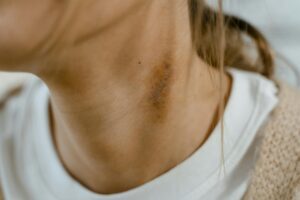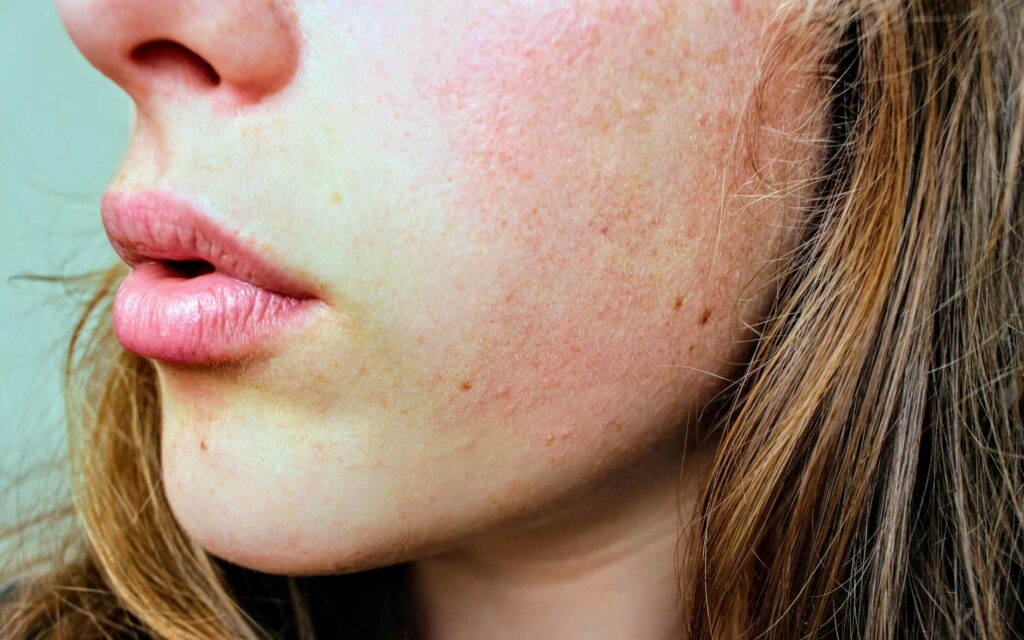
Dermatologists across the country are raising serious alarms about dangerous DIY acne treatments spreading online—and for good reason. The American Academy of Dermatology (AAD) has specifically warned against home remedies gaining traction on social media, noting that popular treatments like lemon juice, toothpaste, and ice cubes can cause chemical burns, strip away healthy skin, damage blood vessels, and worsen acne rather than clear it. These aren’t just ineffective remedies; they’re causing measurable harm, from hyperpigmentation and broken capillaries to permanent scarring and allergic reactions that can take months or years to fade.
What makes this trend particularly concerning is that people are trying these remedies precisely because they believe they’re safer than prescription treatments. The reality is the opposite. While a dermatologist can assess your skin type, identify the underlying cause of your acne, and prescribe targeted treatments that work, DIY approaches are essentially playing a dangerous guessing game with your face. This article breaks down exactly what dermatologists are warning against, why these treatments backfire, and what actually works.
Table of Contents
- Which Popular DIY Acne Treatments Are Actually Dangerous?
- Why These Home Remedies Backfire: The Science Behind the Damage
- The Scarring Problem: Why Dermatologists Warn Against Delaying Professional Treatment
- Professional Treatment vs. DIY: A Practical Comparison
- How Social Media Spreads Dangerous Misinformation About Acne
- What Safe At-Home Acne Care Actually Looks Like
- The Future of Acne Treatment and Why Waiting Is Costly
- Conclusion
Which Popular DIY Acne Treatments Are Actually Dangerous?
The most alarming DIY treatments are ones that sound benign or even natural. Lemon juice, frequently recommended online for acne, has a pH of around 2—making it highly acidic and capable of causing chemical burns. Beyond the immediate damage, lemon juice triggers photosensitivity reactions and can leave permanent hyperpigmentation marks that are sometimes darker and more visible than the original acne. Another widely promoted remedy, applying toothpaste directly to blemishes, seems harmless but contains baking soda, hydrogen peroxide, and menthol in concentrations that weren’t formulated for facial skin. These ingredients strip away the skin’s protective oil layer, cause irritation and peeling, and ironically, can clog pores and trigger new breakouts rather than heal existing ones.
Ice cubes are recommended by countless social media posts as a quick anti-inflammatory fix, but dermatologists warn that applying ice directly to skin can damage delicate capillaries beneath the surface, leading to broken blood vessels and visible redness. The American Academy of Dermatology notes this approach doesn’t actually clear acne—it only temporarily constricts blood vessels and might reduce visible swelling. Raw egg face masks, promoted for their protein content, carry the additional risk of introducing bacteria like salmonella directly to your skin, while cinnamon—another “natural” cure—contains cinnamic aldehyde, a documented allergen that causes allergic contact dermatitis in susceptible individuals. Perhaps most dangerous are DIY chemical peels purchased online or applied at home without professional guidance. When applied incorrectly or left on too long, these can cause severe chemical burns, permanent hyperpigmentation, and lasting redness that requires medical intervention to address.
Why These Home Remedies Backfire: The Science Behind the Damage
Understanding why these remedies fail requires knowing how acne actually develops and what healthy skin needs. Acne forms when dead skin cells, sebum, and bacteria become trapped in hair follicles, creating inflammation. The key word is inflammation—acne is fundamentally an inflammatory condition. treatments that work either reduce inflammation (like certain medications), kill bacteria (like antibiotics or benzoyl peroxide), or unclog pores (like retinoids), all under controlled dosages that won’t damage surrounding skin. DIY treatments almost universally get this wrong in one of two ways: they either cause inflammation through irritation, or they damage the skin barrier entirely. Lemon juice, toothpaste, and cinnamon all fall into the “excessive irritation” category—they irritate skin so severely that the body responds with more inflammation, not less.
Toothpaste specifically is formulated to clean hard enamel, not the delicate epidermis of your face, so its abrasive ingredients and high pH wreak havoc on your skin’s acid mantle. Raw eggs and other porous materials can harbor bacteria without you realizing it, meaning you’re actually introducing acne-causing bacteria rather than fighting it. The irony is that many people see temporary drying or redness and interpret it as “the treatment working,” when they’re actually watching their skin become inflamed and damaged. This is where professional assessment matters. A dermatologist can prescribe concentrations of proven acne-fighting ingredients—benzoyl peroxide, salicylic acid, adapalene, tretinoin—in formulations that actually clear acne without destroying your skin barrier. These aren’t harsh by accident; they’re carefully dosed to treat the actual problem.
The Scarring Problem: Why Dermatologists Warn Against Delaying Professional Treatment
One of the most important points dermatologists emphasize is that not all acne is created equal. Inflammatory acne—especially cystic and nodular acne—can cause permanent scarring if left untreated or mistreated. This scarring happens when deep skin lesions become inflamed and don’t heal properly, resulting in pitted scars, ice-pick scars, or rolling scars that can last a lifetime. DIY treatments cannot address these deep lesions because they don’t penetrate far enough into the skin, and more importantly, they often make inflammation worse by irritating the surface while leaving the underlying problem untouched. The critical timeline matters here. Acne that could have been easily treated with a retinoid or antibiotic six months ago might require laser treatment, microneedling, or filler injections years later if scarring develops.
By the time someone realizes that lemon juice and toothpaste haven’t worked, months have passed, and if they had cystic acne, those months may have resulted in permanent damage. A board-certified dermatologist can assess whether you have the type of acne prone to scarring and intervene before that damage occurs. This is not a cosmetic nicety—it’s preventive medicine. The AAD stresses that acne treatment is not one-size-fits-all. What works for mild comedonal acne won’t work for severe inflammatory acne. Dermatologists have the training to distinguish between these presentations and prescribe accordingly. A DIY approach assumes everyone’s acne is the same, which is simply false.
Professional Treatment vs. DIY: A Practical Comparison
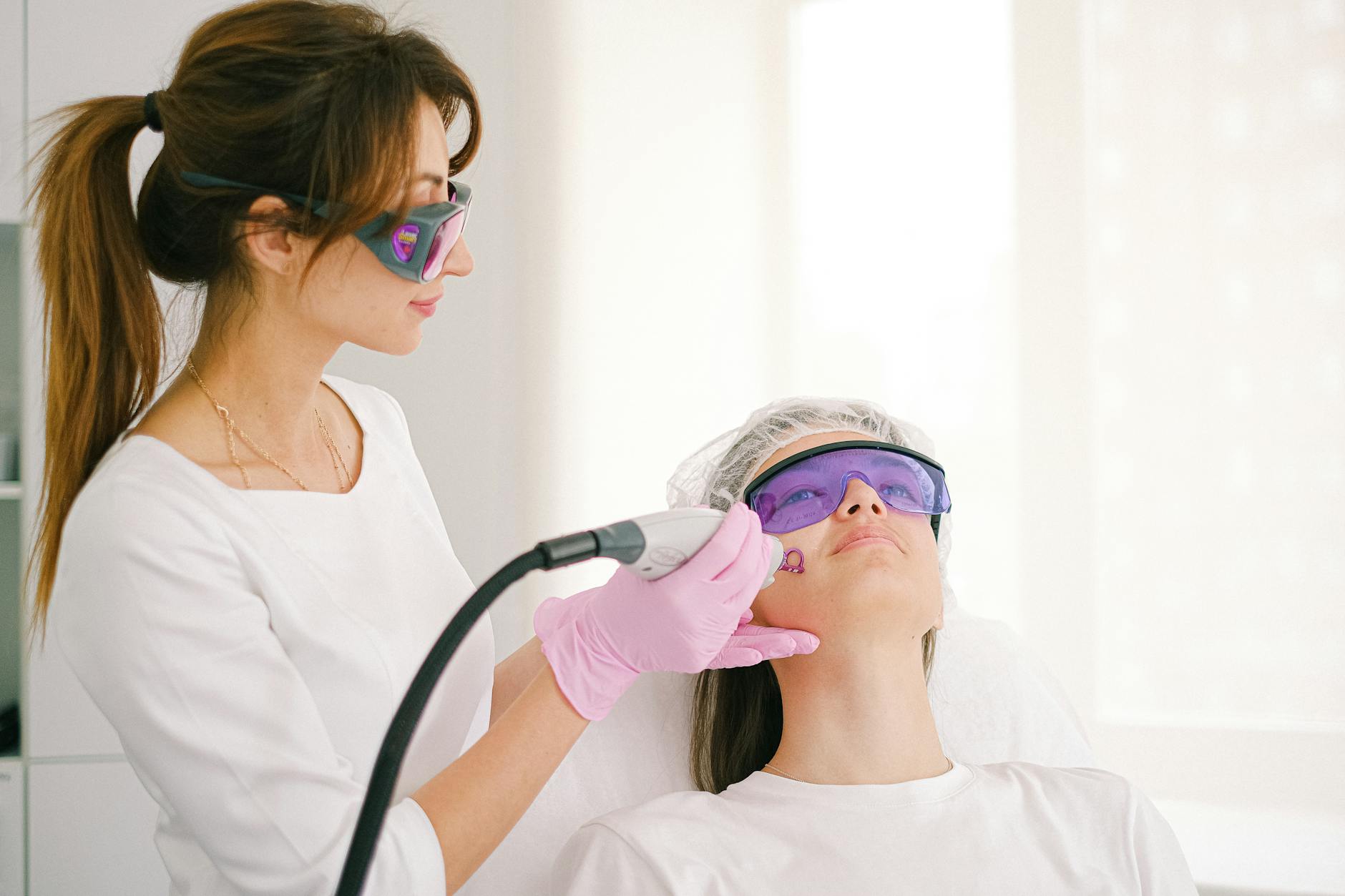
The comparison between DIY and professional treatment comes down to risk, efficacy, and cost over time. A single dermatology visit typically costs between $100 and $200, depending on your location and insurance. During that visit, you receive a diagnosis, a treatment plan tailored to your specific situation, and prescriptions that have been tested in clinical trials and proven to work. If the first treatment doesn’t work, you have a professional who can adjust it. If you develop an adverse reaction, you have someone to contact who can address it safely. DIY treatments, by contrast, cost very little upfront—a lemon from your kitchen, toothpaste you already own—but the hidden cost is time and skin damage.
If a DIY remedy doesn’t work after three months, you’ve lost three months and potentially worsened your acne or caused hyperpigmentation that will take months more to fade. Multiply this by the number of home remedies the average person tries, and you’re looking at a year or more of failed attempts, all while your skin accumulates damage. The Mayo Clinic notes that herbal products and essential oils promoted for acne lack FDA oversight and scientific evidence in many cases, meaning you’re essentially experimenting on your face with unknown variables. Furthermore, the Cleveland Clinic points out that some acne requires systemic treatment—oral antibiotics, hormonal therapy, or isotretinoin for severe cases. No DIY remedy, no matter how carefully applied, can address these. If your acne falls into this category and you spend months trying home remedies first, you’re delaying the treatment that could actually clear your skin.
How Social Media Spreads Dangerous Misinformation About Acne
The AAD has specifically called out social media, particularly TikTok, as a major vector for acne treatment misinformation. Platforms where video content can go viral in minutes prioritize engagement over accuracy, and acne “hacks” that sound surprising or counterintuitive get far more views than straightforward advice to see a dermatologist. The algorithm rewards the dramatic and questionable, not the safe and proven. This creates a dangerous feedback loop. Someone tries a trendy DIY treatment, films their “results,” and posts it.
The video gets millions of views because it’s visual and shocking. Thousands of people who watch it interpret the video as evidence that the treatment works, never seeing the comments from dermatologists explaining why it’s harmful. What’s worse, many of these videos don’t show long-term results; they show what skin looks like immediately after applying something irritating, when temporary inflammation and redness might look like “improvement” to the untrained eye. The American Academy of Dermatology has launched specific education campaigns to counter this, but dermatologists acknowledge they’re fighting an uphill battle against algorithm-driven misinformation. When a verified dermatologist’s educational post reaches thousands of people, but a beauty influencer’s DIY hack reaches millions, the question of credibility becomes a question of reach, not expertise.

What Safe At-Home Acne Care Actually Looks Like
While professional guidance is essential, there are legitimate at-home treatments that dermatologists do recommend. The difference is that these are proven, evidence-based, and typically recommended or prescribed by a dermatologist as part of a larger treatment plan. Over-the-counter products containing benzoyl peroxide (typically 2.5-10% concentrations), salicylic acid (0.5-2%), or azelaic acid have clinical evidence supporting their use for mild to moderate acne. These differ fundamentally from DIY remedies because they’ve been tested, dosed appropriately, and formulated to minimize side effects while maximizing efficacy.
Retinol and retinoids are another category of proven at-home treatments, though stronger retinoid formulations like tretinoin require a prescription. These work by increasing cell turnover, unplugging pores, and reducing inflammation at a molecular level—not through irritation, but through a well-understood biological mechanism. The key distinction is that when a dermatologist recommends an over-the-counter retinol product or prescribes tretinoin, they’re doing so as part of a comprehensive plan, not as a replacement for professional oversight. Proper skincare hygiene also matters: gentle cleansing with a pH-balanced cleanser, moisturizing to support the skin barrier, and sun protection (since many acne treatments increase sun sensitivity). These fundamentals cost little, cause no harm, and are universally recommended—but they’re also not a substitute for actually treating acne itself.
The Future of Acne Treatment and Why Waiting Is Costly
Acne treatment has evolved dramatically over the past two decades, with new medications, combination therapies, and targeted approaches becoming available regularly. Board-certified dermatologists stay current with these advances, while DIY approaches remain static—the same lemon juice and toothpaste tricks that didn’t work a decade ago are still circulating today. If you’re struggling with acne now, waiting months or years for DIY treatments to work means missing out on proven options that could clear your skin far faster.
The trajectory of untreated or mistreated acne also matters. Early intervention prevents scarring, prevents psychological impact (acne affects confidence and mental health), and prevents secondary infections or complications. The longer acne persists, the more likely it is to cause lasting damage—both physical and emotional. A dermatology visit today can save you from needing dermatological procedures (laser, microneedling, or filler) five years from now, which are far more expensive and invasive.
Conclusion
Dermatologists are sounding alarm bells about DIY acne treatments because they’re seeing real harm: chemical burns from lemon juice, allergic reactions from cinnamon, broken blood vessels from ice, and permanent scarring from acne that was delayed in treatment while people experimented with dangerous home remedies. The social media ecosystem has amplified misinformation so effectively that many people believe toothpaste or raw eggs are safer than visiting a doctor, when the opposite is true. Professional treatment is faster, more effective, less damaging, and actually more cost-effective over time when you factor in the months or years of failed attempts and skin damage that DIY approaches incur.
If you’re struggling with acne, the evidence is clear: contact a board-certified dermatologist. They can assess your skin type, identify why your acne is occurring, and prescribe treatments that work. The single visit or prescription will cost less than months of DIY experiments, and it will prevent the permanent damage that these misguided home remedies cause. Your skin—and your future self—will thank you.