
Clindamycin phosphate 1% gel is indeed one of the most frequently prescribed topical antibiotics for acne, but its effectiveness is significantly compromised when used without benzoyl peroxide. Dermatologists recognize that clindamycin alone works as an antibiotic to reduce acne-causing bacteria, yet bacteria develop resistance within weeks to months of use. This is why combining it with benzoyl peroxide—which works through oxidation rather than bacterial resistance—has become the standard approach recommended by major dermatological organizations, including the American Academy of Dermatology.
For example, a patient starting clindamycin monotherapy might see initial improvement in inflammatory acne within the first two weeks, but that improvement often plateaus or reverses as resistance builds. The pairing of clindamycin and benzoyl peroxide addresses two fundamental problems simultaneously: the antibiotic targets bacteria directly, while benzoyl peroxide prevents resistance from developing. This combination is available in several formulations—from separate products applied in sequence to fixed-combination vehicles like Acanya and BenzaClin that contain both agents in one gel. Without benzoyl peroxide, clindamycin monotherapy is considered an incomplete and ultimately unsustainable treatment strategy for most acne patients.
Table of Contents
- Why Is Clindamycin Phosphate Prescribed So Frequently for Acne?
- The Bacterial Resistance Problem and Why Monotherapy Fails
- How Does Benzoyl Peroxide Prevent Resistance?
- Formulation Options: What’s Available and How to Choose
- Common Side Effects and Irritation Risks
- Timing, Frequency, and Application Best Practices
- Long-Term Use and When to Switch or Combine With Other Treatments
- Conclusion
Why Is Clindamycin Phosphate Prescribed So Frequently for Acne?
Clindamycin phosphate is one of the oldest and most widely prescribed topical antibiotics because it penetrates the skin effectively and has a strong track record of reducing acne-causing bacteria like *Cutibacterium acnes* (formerly *Propionibacterium acnes*). The 1% gel formulation is lipophilic, meaning it dissolves well in oil and can reach sebaceous glands where acne bacteria thrive. Additionally, clindamycin has anti-inflammatory properties beyond its direct bacterial killing, which helps reduce redness and swelling associated with inflammatory acne papules and pustules. Unlike some alternatives, clindamycin has been used clinically for decades with extensive safety data in both dermatologic and systemic applications.
Compared to other topical antibiotics like erythromycin, which is now rarely used due to rapid resistance development, clindamycin remains more stable and effective in the short term. A patient with moderate inflammatory acne—such as a 20-year-old with scattered red papules across the chest and shoulders—might see meaningful clearing within 4 to 6 weeks of clindamycin monotherapy. However, prescribers choose clindamycin partly for convenience and familiarity, not necessarily because it’s ideal as a standalone treatment. Insurance coverage is typically straightforward, generic versions are available, and most patients tolerate it well without significant side effects beyond occasional dryness or irritation.

The Bacterial Resistance Problem and Why Monotherapy Fails
The critical limitation of using clindamycin alone is antibiotic resistance. When bacteria are exposed to an antibiotic, the most resistant organisms survive and reproduce, eventually becoming the dominant population. Studies show that clindamycin resistance in acne-causing bacteria can develop within 6 to 12 weeks of monotherapy, sometimes faster. This means that a patient’s acne may improve initially, but then worsen or stall as resistant bacteria repopulate the skin.
Research published in the Journal of the American Academy of Dermatology has demonstrated that clindamycin resistance rates in clinical practice exceed 40% to 50% in some populations, particularly in patients with prior antibiotic exposure. Beyond the individual patient consequence, widespread use of antibiotic monotherapy contributes to a broader public health concern: the development of antibiotic-resistant bacteria. This is one reason dermatologists and public health organizations strongly discourage clindamycin monotherapy. The Food and Drug Administration and the American Academy of Dermatology both recommend combining clindamycin with benzoyl peroxide specifically to minimize resistance risk. Without benzoyl peroxide, even a compliant patient who uses clindamycin consistently will likely experience treatment failure or at minimum a shortened window of efficacy. A patient who stops responding to clindamycin after several months of use may then need to switch to oral antibiotics or isotretinoin, escalating treatment and exposure to systemic side effects.
How Does Benzoyl Peroxide Prevent Resistance?
Benzoyl peroxide works through an entirely different mechanism than antibiotic agents: it generates free radicals that damage bacterial cell walls and DNA directly, making it chemically impossible for bacteria to develop resistance in the traditional sense. The bactericidal action is so oxidative and non-specific that bacteria cannot evolve a genetic defense. Additionally, the combination of two agents attacking acne via different pathways creates a synergistic effect—clindamycin suppresses susceptible bacteria, while benzoyl peroxide destroys resistant organisms before they can establish dominance.
For example, in a clinical trial comparing clindamycin 1% gel alone versus clindamycin with benzoyl peroxide 5%, the combination group showed sustained improvement over 12 weeks, while the monotherapy group plateaued or worsened after 8 weeks. The concentration of benzoyl peroxide matters: 2.5% and 5% are the most commonly used in combination formulations, with 5% offering slightly better efficacy but also slightly more irritation risk. When combined in a single vehicle, the two agents also stabilize each other’s activity and improve penetration.

Formulation Options: What’s Available and How to Choose
Prescribers have several options when recommending clindamycin with benzoyl peroxide. Fixed-combination products like Acanya (clindamycin 1.2% and benzoyl peroxide 2.5%) and BenzaClin (clindamycin 1% and benzoyl peroxide 5%) simplify compliance because the patient applies one product rather than two. BenzaClin was actually the first FDA-approved fixed combination of this type and remains widely used. Another option is to prescribe clindamycin 1% gel and benzoyl peroxide separately, allowing the patient flexibility in concentrations and potentially reducing cost if generic versions are available separately.
The practical tradeoff between combination products and separate agents depends on insurance coverage, cost, and patient preference. A patient on a tight budget might find that purchasing generic clindamycin and generic benzoyl peroxide separately costs less than a brand fixed combination. Conversely, a patient with a high insurance deductible may prefer a single copay. In terms of efficacy, well-formulated fixed combinations perform similarly to applying separate products in the correct sequence (benzoyl peroxide first, then clindamycin after it dries, according to most dermatologists’ recommendations for separate products). The choice should also account for skin sensitivity: a patient with very sensitive skin might benefit from the lower benzoyl peroxide concentration in Acanya (2.5%) rather than BenzaClin (5%).
Common Side Effects and Irritation Risks
The most frequent complaint from patients using clindamycin and benzoyl peroxide combination is irritation, dryness, and redness—particularly in the first 2 to 4 weeks. Benzoyl peroxide is an oxidizing agent and is inherently irritating, while clindamycin, though generally well-tolerated, can cause dryness and peeling. When used together, the irritation can be compounded. Patients with sensitive, barrier-compromised, or atopic skin may experience significant discomfort and may need to start at a lower concentration of benzoyl peroxide or reduce frequency of application (e.g., using the combination once daily instead of twice daily initially).
A secondary concern is contact dermatitis or true allergy, though this is rare. Some patients experience photosensitivity or bleaching of facial hair or clothing from benzoyl peroxide exposure. The combination should not be applied immediately before sun exposure without sunscreen, and patients should be counseled about potential fabric staining. Additionally, clindamycin carries a theoretical risk of Clostridioides difficile infection if absorbed systemically in large quantities, though topical use is generally considered very safe; patients should still be monitored if they have a personal or family history of C. difficile infection.
Timing, Frequency, and Application Best Practices
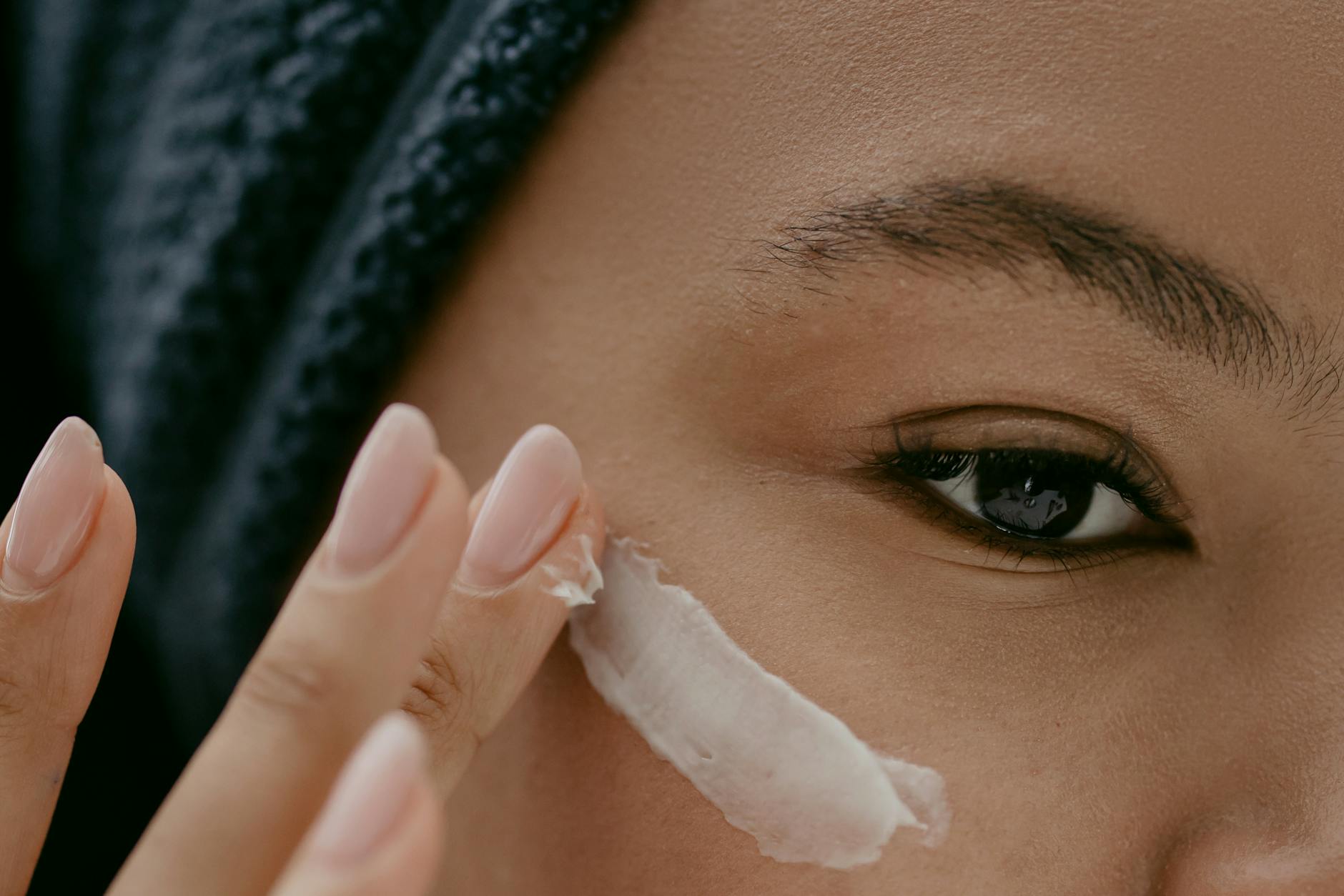
Proper application technique directly affects both efficacy and tolerability. The standard recommendation is to apply the combination product (or clindamycin followed by benzoyl peroxide) twice daily to clean, dry skin. Applying to damp skin or too soon after cleansing can reduce efficacy. Patients should use only a pea-sized amount and spread it evenly across affected areas, avoiding excessive layering.
For patients starting treatment, many dermatologists recommend beginning with once-daily application for the first 1 to 2 weeks to allow the skin barrier to acclimate, then increasing to twice daily. A specific example illustrates the importance of timing: a 25-year-old patient with moderate acne on the face and shoulders who applies clindamycin-benzoyl peroxide only once daily in the evening might see slower clearing than if applied twice daily, but with markedly less irritation and higher tolerability. After 4 weeks of once-daily use with minimal redness or peeling, the dose can be increased. Conversely, a patient who applies the combination carelessly—too much product, too frequently, or to wet skin—will experience worse irritation without additional efficacy benefit. The combination should be kept away from the eyes and lips, and patients should not combine it with other potentially irritating actives like retinoids or salicylic acid without professional guidance.
Long-Term Use and When to Switch or Combine With Other Treatments
Clindamycin with benzoyl peroxide is effective for long-term maintenance of mild to moderate acne but may plateau in severe cases. Patients who achieve clear skin typically continue the combination for months to years to prevent relapse. However, dermatologists sometimes recommend cycling off or rotating to alternative treatments to avoid any subtle tolerance effects, though resistance per se should not develop due to the benzoyl peroxide component.
For patients with severe nodular or cystic acne, clindamycin-benzoyl peroxide alone is insufficient, and oral antibiotics (such as doxycycline or minocycline), hormonal treatments (spironolactone or oral contraceptives for women), or isotretinoin may be necessary. Some dermatologists add topical or oral retinoids to the clindamycin-benzoyl peroxide regimen for enhanced results, though this increases irritation risk and requires careful monitoring. Future acne treatment may shift further toward non-antibiotic topical agents and systemic options, but the clindamycin-benzoyl peroxide combination remains a cornerstone of first-line care for moderate inflammatory acne.
Conclusion
Clindamycin phosphate 1% gel is a widely prescribed topical antibiotic for acne because of its proven efficacy, good skin penetration, and favorable safety profile. However, using it without benzoyl peroxide is a significant treatment error that leads to bacterial resistance, treatment failure, and potential need for more aggressive therapy. The combination of clindamycin and benzoyl peroxide—whether in a fixed-combination product like BenzaClin or Acanya, or as separate applications—is the evidence-based standard. This pairing addresses both the immediate need to reduce acne bacteria and the long-term need to prevent resistance.
If you have moderate inflammatory acne and your dermatologist has prescribed clindamycin, confirm that benzoyl peroxide is part of the regimen. If not, ask about adding it or switching to a combination product. Start with once-daily application if you have sensitive skin, allow 4 to 8 weeks to assess improvement, and use consistent sun protection. For acne that doesn’t respond after 8 to 12 weeks of combination therapy, or for severe acne, consult your dermatologist about oral medications or other options. Proper use of clindamycin with benzoyl peroxide can clear moderate acne effectively while avoiding the pitfalls of antibiotic resistance.
You Might Also Like
- Topical Dapsone 7.5% Gel Is Specifically Effective for Adult Female Acne…Reduces Inflammatory Lesions by 48%
- She Was Prescribed Oral Antibiotics 6 Separate Times for Acne…Never Once Was Told About Antibiotic Resistance
- New Microbiome-Based Acne Treatment Replaces Harmful Bacteria With Beneficial Strains