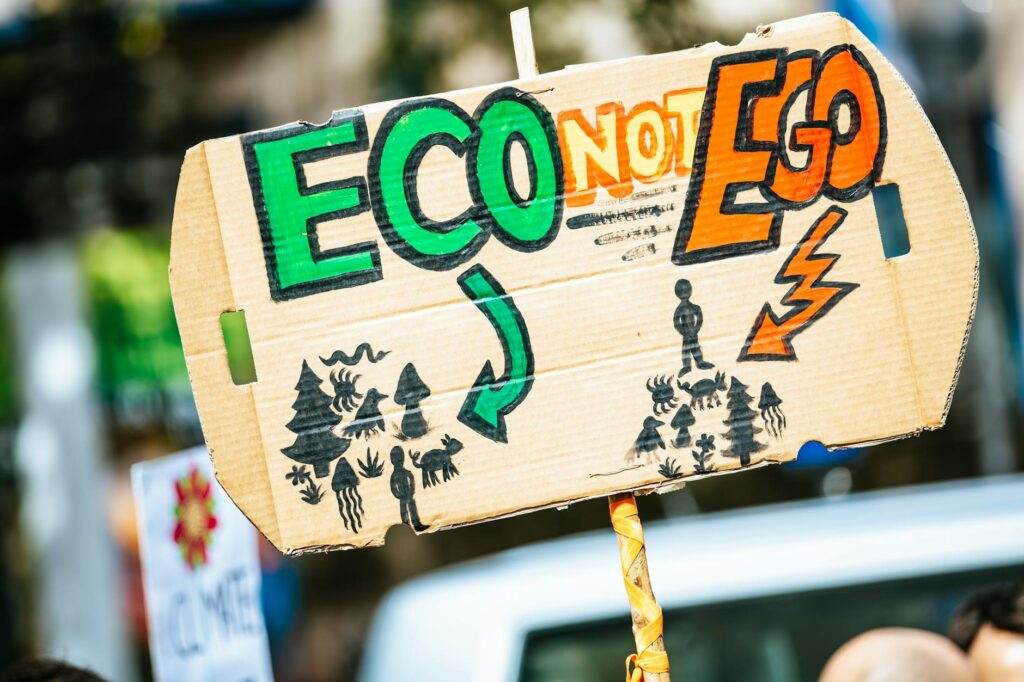
Yes, climate change is making acne worse, according to the latest dermatological research and expert consensus. The mechanisms are straightforward: as temperatures rise, your skin produces more sebum (oil), which feeds acne-causing bacteria. Simultaneously, increased UV radiation enlarges the sebaceous glands themselves, higher humidity swells hair follicles, and elevated temperatures disrupt the delicate bacterial balance on your skin.
The American Dermatological Association officially acknowledged in 2025 that fossil fuel combustion has significant impacts on skin health, and dermatology researchers have documented how environmental aggressors from climate change directly contribute to acne vulgaris and other inflammatory skin diseases. This article explores the specific ways warming temperatures and pollution are making acne breakouts more common and more severe, examines the biological mechanisms behind these changes, and discusses what you can do to protect your skin in an increasingly challenging climate. Whether you’ve noticed your acne worsening over the past few years or you’re trying to understand why acne treatments seem less effective than they used to be, the answer may partly lie in the changing environment around you.
Table of Contents
- How Temperature Changes and Humidity Directly Increase Acne Breakouts
- Environmental Aggressors and the Overwhelmed Skin Barrier
- Skin Microbiome Disruption and Bacterial Imbalance
- Why Sebum Production Accelerates in Warming Climates
- When Climate-Related Acne Impact Is Most Severe
- Air Pollution’s Broader Impact on Skin Health
- What This Means for Acne Management Going Forward
- Conclusion
How Temperature Changes and Humidity Directly Increase Acne Breakouts
Warmer temperatures directly increase sebum production, the oily substance your skin naturally produces. While some sebum is necessary for healthy skin, excess oil is a primary driver of acne development. In a warming climate, higher average temperatures mean your sebaceous glands are working overtime, producing more oil year-round—not just during summer months. This is particularly pronounced in areas experiencing faster warming rates. Consider someone living in a region that has warmed 2-3 degrees Celsius over the past two decades: their baseline sebum levels have likely increased even on “normal” days. rising humidity compounds this problem by swelling the pilosebaceous units—the hair follicles and their associated oil glands.
When humidity increases, these follicles swell, and when they’re already producing excess sebum due to heat, the combination creates an ideal environment for acne formation. If you’ve noticed that your acne is worse during humid seasons or in humid climates, this mechanism explains why. The sebum becomes trapped more easily in enlarged, swollen follicles, blocking the hair shaft and creating the conditions where acne bacteria can thrive. The timing matters too. Seasonal acne flare-ups that once occurred predictably in summer are now occurring earlier, lasting longer, and sometimes persisting year-round in warmer regions. People who previously experienced clear skin during fall and winter are finding that these seasons no longer provide relief.
Environmental Aggressors and the Overwhelmed Skin Barrier
Beyond heat and humidity, climate change brings a constellation of environmental aggressors that directly damage skin health. Air pollution from increased fossil fuel combustion introduces particulate matter, nitrogen dioxide, ozone, and volatile organic compounds into the atmosphere and onto your skin. Research from JAAD Reviews in 2025 found that these pollutants trigger oxidative stress—essentially causing damage at the cellular level—and inflammatory responses that exacerbate acne vulgaris. The problem is compounding: UV radiation is intensifying as the ozone layer faces ongoing stress, and this increased UV exposure causes hyperplasia (enlargement) of the sebaceous glands themselves.
Larger glands produce more sebum, and they also promote the growth of *Cutibacterium acnes*, the bacterium primarily responsible for acne development. However, this doesn’t mean avoiding sun exposure entirely will solve acne problems—sun exposure also plays a complex role in vitamin D synthesis and immune function. The issue is specifically with unprotected or excessive UV exposure in the context of weakening atmospheric protection. Air pollution studies have documented that people living in high-pollution areas experience higher rates of acne compared to those in less polluted regions. However, individual susceptibility varies significantly based on genetics, existing skin conditions, and overall health status, so not everyone in a polluted area will experience equally severe acne.
Skin Microbiome Disruption and Bacterial Imbalance
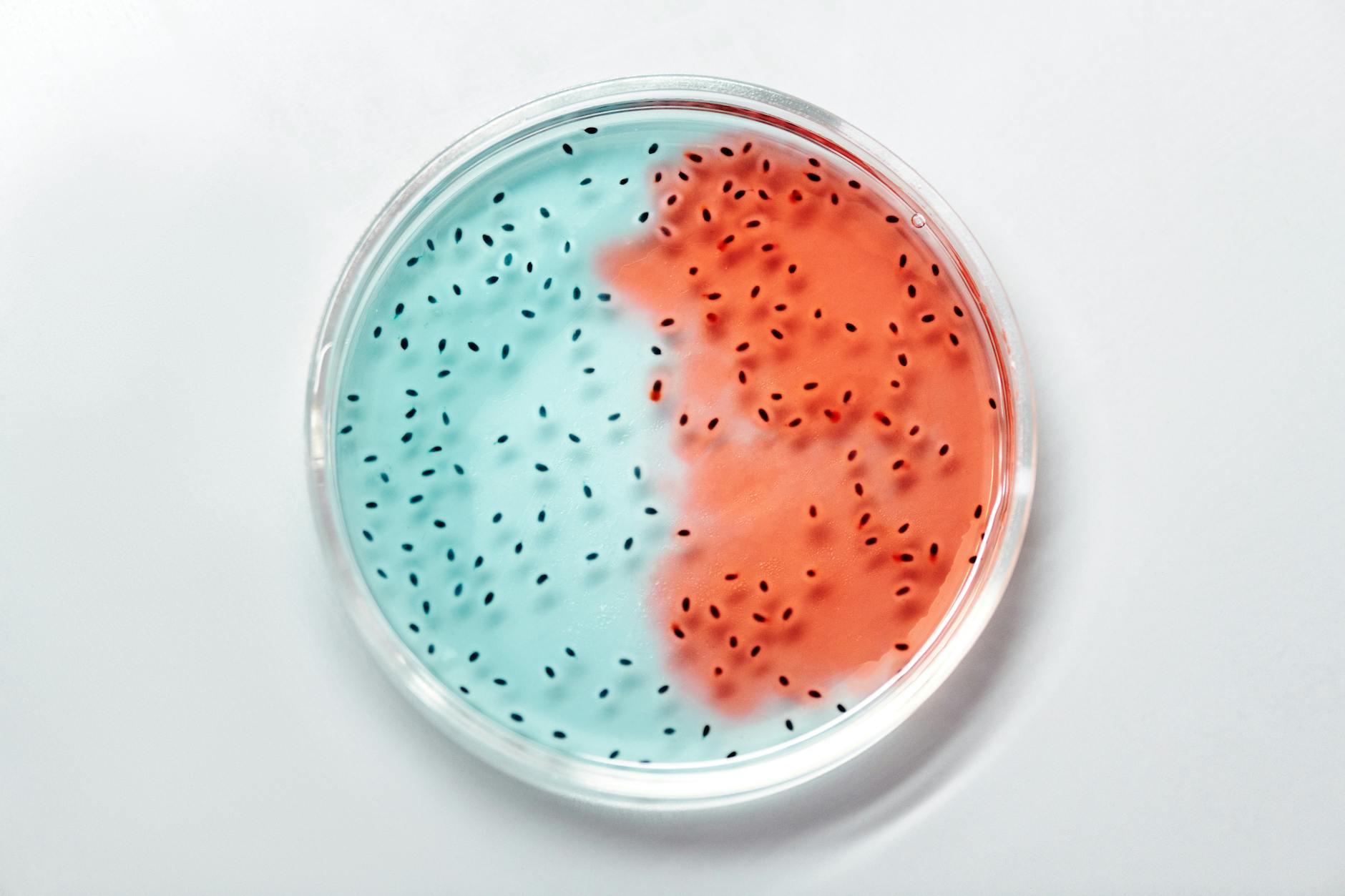
Your skin hosts a complex ecosystem of bacteria, fungi, and other microorganisms collectively called the microbiome. When working properly, these microorganisms protect your skin and maintain healthy barrier function. Elevated temperatures disrupt this delicate balance, creating conditions where *Cutibacterium acnes* and other acne-promoting organisms can proliferate while beneficial bacteria struggle. This microbiome disruption is one of the most significant—and least understood by the general public—mechanisms linking climate change to acne.
This disruption explains why some people find their acne suddenly becomes resistant to treatments that previously worked well. Their microbiome has shifted due to environmental changes, making the bacterial population different from before. A treatment that effectively controlled one bacterial composition may be less effective against a different one. This is particularly important for people using acne medications, as the effectiveness of antibiotics or other treatments can decline if the underlying bacterial population has fundamentally changed. Restoring microbiome balance through proper skincare, potential probiotic approaches, and managing environmental exposure are emerging strategies, though research in this area is still developing.
Why Sebum Production Accelerates in Warming Climates
The increase in sebum production isn’t just about feeling oily—it’s about fundamental changes to your skin’s physiology. Sebaceous glands contain sebocytes (specialized cells) that increase their activity in response to elevated temperatures. This is partly a thermoregulation mechanism, as sebum has some role in temperature regulation, but it creates a dermatological problem: more oil feeding more bacteria. The process begins at temperatures that many people still consider comfortable—not just during extreme heat waves.
Comparing two identical people in different climates illustrates this clearly. A person living in a region that averages 68°F (20°C) will have different baseline sebum levels than their genetic twin living where temperatures average 75°F (24°C). The warmer climate means chronically elevated sebum production, which translates to more frequent or severe acne without any change in the person’s skincare routine or diet. The tradeoff to understand here is that artificially restricting sebum with harsh skincare products can damage the skin barrier and cause other problems. Managing excess sebum requires balanced approaches that don’t strip skin entirely of its protective oils.
When Climate-Related Acne Impact Is Most Severe
Climate change impacts on acne are not uniform across populations. People with naturally oily skin or existing acne conditions experience more dramatic worsening compared to those with dry or combination skin. Additionally, people living in regions experiencing the fastest warming—parts of the Arctic, mountain regions, and areas near the equator—face more severe increases in temperature-related acne triggers than those in more temperate zones with slower warming rates.
Age is also a factor. While acne is often considered a teenage problem, climate-related acne flare-ups are increasingly common in adults whose skin barrier and microbiome have become more sensitive over years of exposure to changing environmental conditions. However, this doesn’t mean adult acne caused by climate change is inevitable or impossible to manage—it’s simply more common now than it was a decade ago. Those with underlying conditions like rosacea, seborrheic dermatitis, or other inflammatory skin conditions face compounded problems, as the same environmental factors that trigger acne can simultaneously trigger their existing conditions.
Air Pollution’s Broader Impact on Skin Health
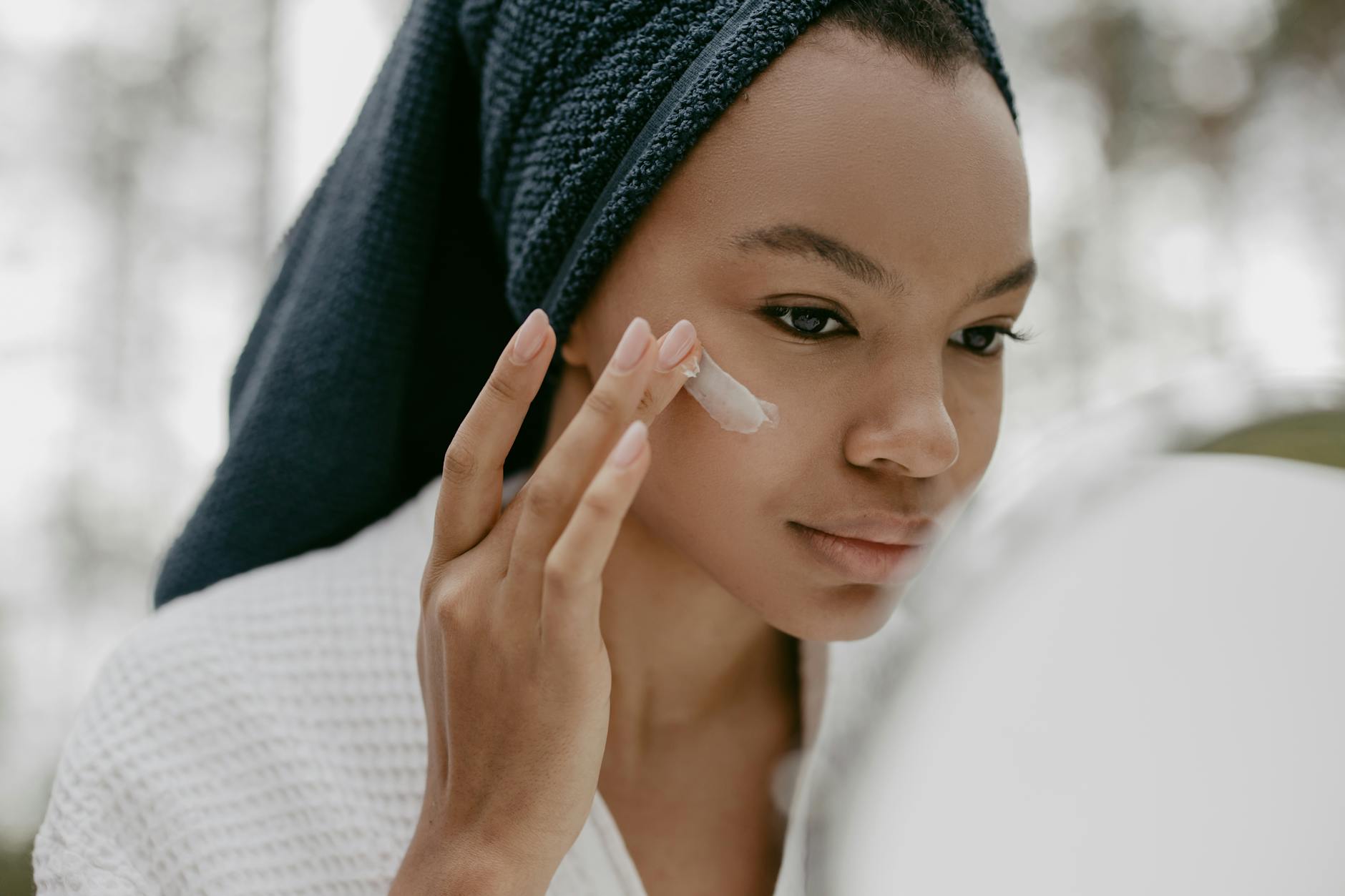
While acne gets most of the attention, air pollution from climate change is associated with multiple inflammatory skin diseases: atopic dermatitis, psoriasis, melasma, photoaging, and general skin sensitivity. This means your skin is under compound stress from multiple directions.
Someone managing eczema and acne simultaneously is dealing with a more complex dermatological situation than someone with acne alone. The oxidative stress from air pollution creates inflammation throughout the body, not just on skin surfaces. This systemic inflammation can trigger or worsen acne responses throughout the body, explaining why some people experience sudden acne on their chest, back, or shoulders—areas they previously never had problems with.
What This Means for Acne Management Going Forward
The dermatological community’s official recognition—via the American Dermatological Association’s 2025 statement—that fossil fuel combustion significantly impacts skin health represents a major shift in how dermatologists approach treatment. Rather than treating acne solely as a localized skin condition, increasingly dermatologists are considering environmental and systemic factors in their treatment plans.
This shift suggests that acne management in 2026 and beyond will require a more comprehensive approach: effective skincare products, possibly pharmaceutical interventions, protective strategies against environmental exposure (sunscreen, protective clothing, air quality awareness), and attention to overall health factors like diet, sleep, and stress. Dermatologists are also increasingly recommending lifestyle and environmental modifications alongside topical and systemic treatments.
Conclusion
Climate change is measurably making acne worse through multiple overlapping mechanisms: increased sebum production from rising temperatures, enlarged sebaceous glands from intensified UV radiation, swollen hair follicles from increased humidity, disrupted skin microbiome from thermal stress, and direct damage from air pollution. The evidence comes from recent research, including comprehensive 2025 studies from JAAD Reviews and official position statements from the American Dermatological Association. This is not speculation about future problems—it’s a current reality affecting people’s skin health now.
If your acne has worsened in recent years without changes in your routine, diet, or stress levels, climate change may be a contributing factor. Talk with a dermatologist about strategies tailored to your specific situation, which may include enhanced sun protection, pollution-protective skincare, treatment adjustments to account for shifting microbiome composition, and environmental awareness. Understanding the climate connection to your acne doesn’t solve the problem, but it helps explain why traditional approaches may need updating and why dermatologists are increasingly recommending comprehensive strategies rather than single-method treatment.