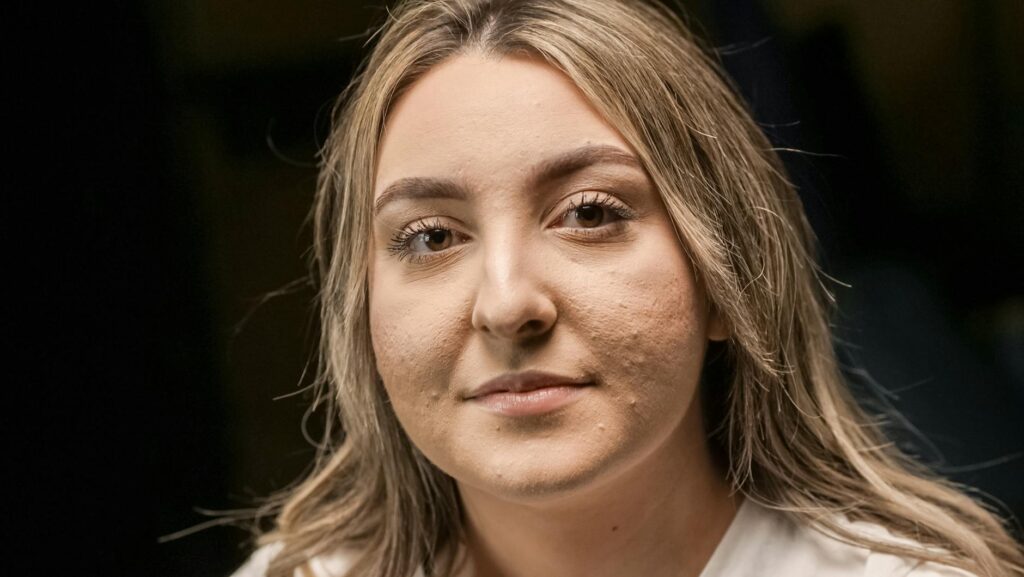
Yes, celebrity acne struggles are directly fueling new beauty business launches, with Filipino actress Camille Co serving as a prime example. Co created a skincare brand specifically designed to address acne concerns—drawing directly from her own personal battle with breakouts. Her journey demonstrates a broader market shift: as celebrities openly share their skin challenges on social media, they’re identifying real gaps in the acne treatment space and building brands to fill them. This article explores how celebrity vulnerability is transforming into viable business opportunities, what makes these ventures succeed, and what aspiring founders should know before launching an acne-focused skincare line.
Table of Contents
- Why Are Celebrities Building Acne-Focused Skincare Brands?
- The Rise of Celebrity-Founded Acne Skincare Lines
- Market Opportunity: Why Now?
- What Makes Celebrity Acne Brands Succeed or Fail
- The Risk of Overpromising and Credibility Loss
- The Influencer-Entrepreneur Movement in Acne Skincare
- The Future of Celebrity-Driven Acne Innovation
- Conclusion
- Frequently Asked Questions
Why Are Celebrities Building Acne-Focused Skincare Brands?
The acne skincare market has exploded as celebrities stop hiding their struggles. For decades, the beauty industry promoted flawless skin as an unattainable standard; today’s influencers and actors are reversing that narrative by publicly discussing breakouts, treatments, and what finally worked for them. This authenticity creates immediate credibility—when someone famous says “I struggled with cystic acne for years,” consumers listen and buy in because they’ve seen the before-and-after proof on Instagram. Camille Co’s brand launch is a textbook example.
By positioning her products around her own acne journey, she positioned herself not as a distant celebrity endorser slapping her name on a third-party product, but as a founder solving a personal problem. This distinction matters enormously. Research shows that influencer-founded brands with authentic origin stories outperform traditional celebrity partnerships because customers feel they’re buying into a mission, not just a name. The market is responding: there are now 30+ acne-focused influencers and entrepreneurs actively collaborating and launching products as of 2025, evidence that this isn’t a fleeting trend but a structural shift in how skincare gets built and marketed.
The Rise of Celebrity-Founded Acne Skincare Lines
What distinguishes celebrity acne brands from the mainstream beauty landscape is their focus. Estée Lauder or Clinique sell hundreds of products across skin types; a celebrity-founded acne brand typically goes narrow and deep—targeting breakouts, post-inflammatory hyperpigmentation, barrier damage from treatments, and the emotional toll of dealing with acne. This narrow focus allows founders to hire dermatologists, invest in clinical testing, and build product lines that actually address what acne-prone people need.
However, there’s a critical limitation: many celebrity-founded brands lack the supply chain and distribution infrastructure that legacy beauty companies have built over decades. Camille Co’s brand had to navigate sourcing, manufacturing, regulatory approval (in the Philippines and any export markets), and retail partnerships—a process that can take 18+ months before the first bottle ships. If a celebrity founder underestimates this complexity or tries to move too fast, product quality suffers, recalls happen, and the brand’s credibility evaporates. The celebrity name becomes a liability rather than an asset.
Market Opportunity: Why Now?
Multiple celebrities have publicly shared their acne struggles, and each story creates a small window of market opportunity. When an A-list actor reveals they used Accutane, dermatologists see a surge in appointments from people asking for the same treatment. When another celebrity discusses how they finally cleared their skin through a specific routine, skincare product sales in that category spike. Smart entrepreneurs recognize these moments—they see demand signals in real time through social media engagement, Google search volume, and Reddit discussions. That’s where the business opportunity lives.
The broader beauty industry is validating this opportunity. The global acne treatment market was worth billions pre-2020 and continues growing as more young people seek solutions online. Unlike makeup or fragrance—categories where celebrity endorsement is about aspiration and fantasy—acne skincare is about solving a visible, painful problem. Consumers don’t care who’s shilling the product; they care whether it works. A celebrity founder who genuinely solved their own acne problem has a credible story to tell, and if the product delivers results, word-of-mouth becomes the most powerful marketing tool available.
What Makes Celebrity Acne Brands Succeed or Fail
The difference between a successful celebrity acne brand and a failed one often comes down to product efficacy, not celebrity status. Celebrities with sizeable followings can drive initial sales, but if the product doesn’t deliver visible results within 6-12 weeks, repeat purchases drop off and the brand becomes a one-time novelty. Camille Co’s brand succeeded (and continues to gain traction) because she invested in formulation quality and clinical backing—not just slapped her face on a bottle of generic benzoyl peroxide. A useful comparison: celebrity makeup brands like Kylie Cosmetics can succeed on brand and lifestyle alone because makeup is subjective and personal preference drives repeat purchases.
Acne skincare is clinical and results-driven. Either the product reduces inflammation, clears comedones, and prevents future breakouts, or it doesn’t. This means celebrity acne founders need either dermatology expertise on their team or the humility to hire top chemists and listen to them. Founders who try to play chemist themselves often fail, even if they have millions of followers.
The Risk of Overpromising and Credibility Loss
One significant risk for celebrity-founded acne brands is the temptation to make medical claims that aren’t substantiated. The FDA doesn’t regulate skincare the same way it regulates drugs; a product marketed as “clearing acne” might get away with vague language, but consumers increasingly research clinical evidence before buying. If a celebrity brand claims to be “as effective as Accutane” or “cures acne permanently” without rigorous clinical trials to back it up, dermatologists will call out the overpromising, social media backlash ensues, and the brand’s credibility collapses.
Another pitfall: assuming that a personal success story scales universally. Camille Co’s formula may have healed her specific acne type (perhaps hormonal, or bacterial, or genetic), but acne is heterogeneous—what works brilliantly for one person might irritate another. Responsible celebrity founders acknowledge this variance, provide clear guidance on skin types and concerns their products address, and build in consultation resources (dermatologist chatlines, skin assessments) to help customers find the right fit. Brands that skip this step and market their products as a one-size-fits-all solution attract complaints, negative reviews, and refund requests.
The Influencer-Entrepreneur Movement in Acne Skincare
The trend of influencers founding skincare brands extends beyond acne, but the acne niche has attracted particular attention because the problem is visible, quantifiable, and emotionally charged. An influencer with 500k followers can launch a skincare line and reach potential customers directly—no retailer gatekeeping, no distributor margins cutting into profitability. Direct-to-consumer (DTC) brands allow founders to maintain 60-70% gross margins compared to 30-40% if selling through Sephora or drugstores.
The 30+ acne-focused influencers and entrepreneurs actively launching products as of 2025 represent a fracturing of the traditional celebrity-endorsement model. Instead of a big brand paying a celebrity to appear in an ad, the influencer becomes the founder, investor, and creative director. This alignment of incentives—the influencer’s reputation and income are directly tied to product success—drives higher quality and more authentic marketing.
The Future of Celebrity-Driven Acne Innovation
As more celebrities share acne stories, the market will likely consolidate around a smaller number of high-quality, well-funded brands and a long tail of niche players. The winners will be founders who combine celebrity platform with either dermatology expertise or the judgment to hire it. The losers will be influencers who treat skincare as a side hustle, launching underdeveloped formulas and disappearing when sales plateau.
Looking ahead, expect celebrity acne brands to evolve from simple product lines into comprehensive ecosystems: communities for acne sufferers, educational content about triggers and treatments, partnerships with dermatologists for telemedicine consultations, and research initiatives funding acne studies. Camille Co’s brand is already moving in this direction. The most resilient celebrity-founded beauty businesses won’t be selling products; they’ll be selling membership into a movement against acne stigma.
Conclusion
Celebrity acne journeys are absolutely inspiring new beauty businesses, and this trend reflects something deeper: the end of the shame and silence around skin problems. When Camille Co and dozens of other influencers openly discuss acne and build brands around solutions, they’re normalizing a condition that affects millions and creating market opportunities in the process.
The takeaway for consumers and aspiring founders is that celebrity status alone doesn’t guarantee product quality—what matters is whether the formulation actually works and whether the brand is honest about what it can and cannot do. If you’re considering trying a celebrity-founded acne product, research the clinical evidence, check whether a dermatologist is part of the founding team, and look for explicit information about which skin types and acne types the product targets. If you’re an entrepreneur inspired to launch your own acne brand, understand that celebrity platform is a starting advantage, not a substitute for rigorous product development and genuine expertise.
Frequently Asked Questions
Does a celebrity-founded skincare brand work better than dermatologist-recommended brands?
Not necessarily. Celebrity status doesn’t guarantee efficacy. Look for clinical backing (third-party testing, dermatologist reviews) and real customer testimonials rather than assuming the founder’s personal success will transfer to your skin.
How long does it take for a celebrity to launch an acne skincare brand?
Typically 12-24 months from concept to market, depending on complexity. This includes formulation, safety testing, regulatory approval, and manufacturing setup. Founders who rush this timeline often ship subpar products.
Can I trust acne products launched by non-dermatologists?
Yes, if they’ve hired experienced chemists and dermatologists to guide formulation and testing. The founder’s background matters less than who they’ve assembled on their team.
Why do some celebrity acne brands disappear after a year?
Often because initial sales were driven by curiosity rather than product efficacy. If the product doesn’t deliver results, repeat purchases stop. The celebrity platform creates a launch bump, but only product quality sustains growth.
Should I consult a dermatologist before trying a celebrity acne brand?
Recommended, especially if you have severe acne, are on prescription medications, or have sensitive skin. A dermatologist can advise whether the brand’s products complement or conflict with your existing treatment plan.