
What Naltrexone Low-Dose Does for Inflammatory Skin and Acne
Low-dose naltrexone (LDN) may help reduce inflammation in acne-prone skin by dampening immune system activity and cytokine production, but current…
What Bimekizumab Trials Are Showing for Inflammatory Skin
Bimekizumab trials are demonstrating remarkable results for inflammatory skin diseases, with patients achieving complete skin clearance in the majority of…
What Reflectance Confocal Microscopy Shows in Acne Skin

Reflectance confocal microscopy (RCM) reveals the microscopic architecture of acne-prone skin in unprecedented detail, showing inflammatory cell…
What Digital Skin Analysis Tools Do for Acne Tracking

Digital skin analysis tools measure and track acne by using smartphone cameras or specialized devices to capture high-resolution images of your skin, then…
What Metagenomics Shows About Acne Skin Bacteria
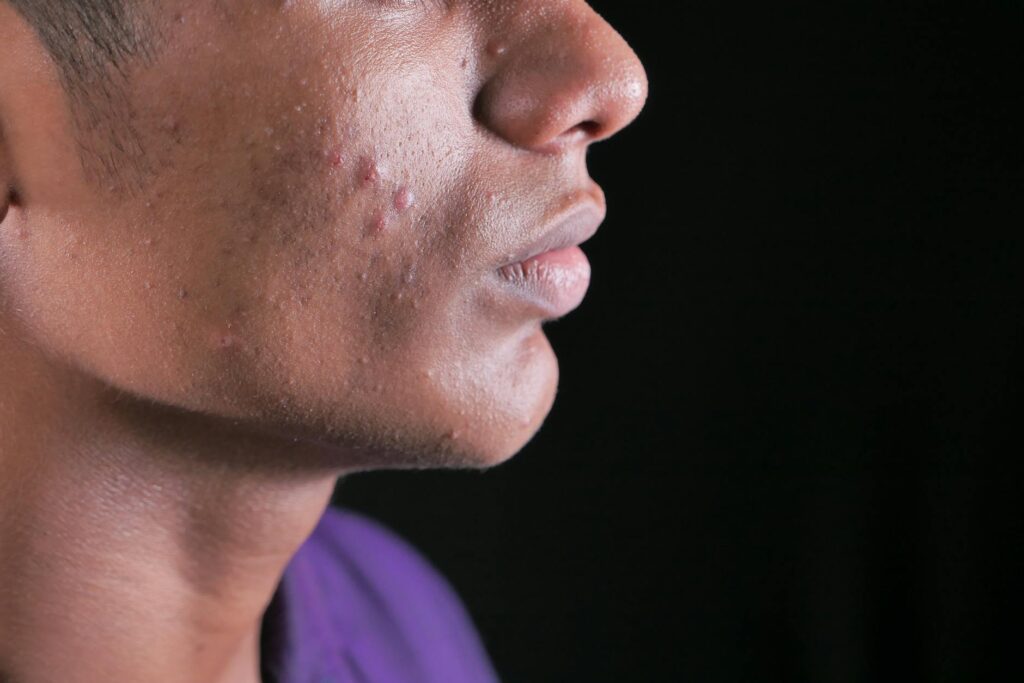
Metagenomics—the study of genetic material directly sampled from skin without culturing bacteria—reveals that acne-affected skin hosts a fundamentally…
Why Skin Tape-Strip Analysis Is Used in Acne Research
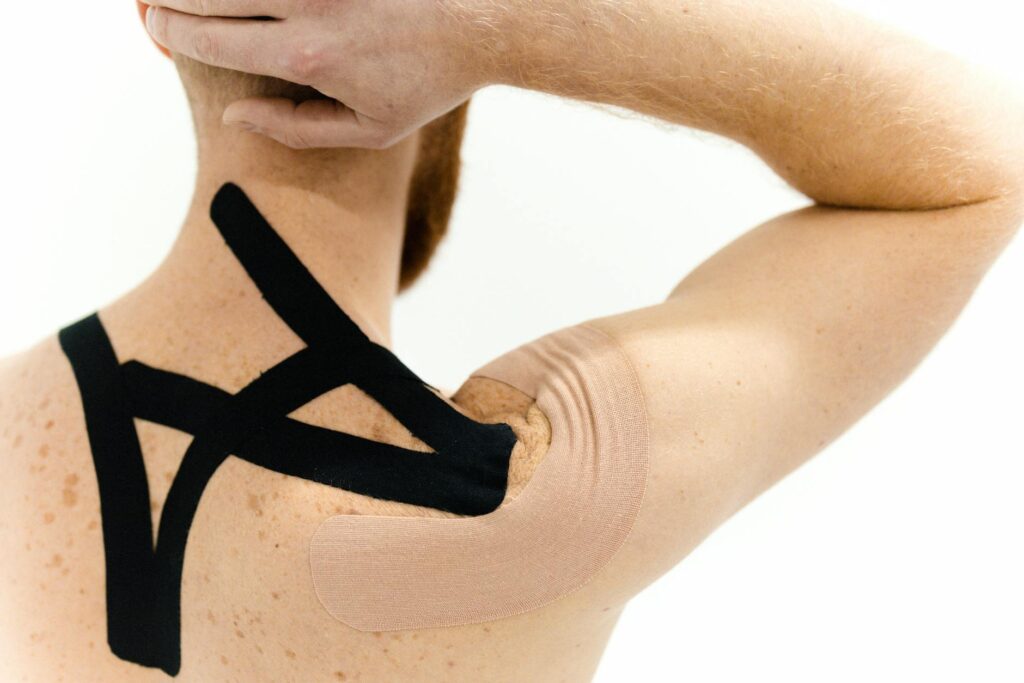
The advantages go beyond just bacterial collection. Tape-stripping can be completed in approximately 30 seconds with consistent results, requires no…
What Pro-Retinol Does for Mild Acne in Sensitive Skin
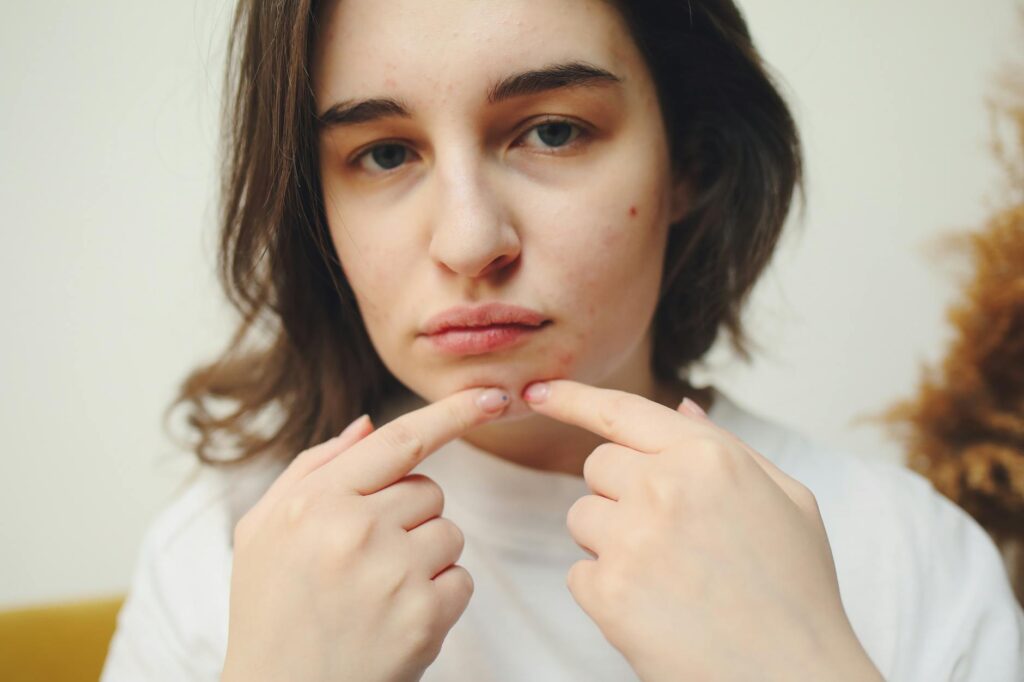
Pro-retinol can be effective for mild acne in sensitive skin, but only if used carefully and with the right approach.
Why Retinyl Retinoate Is Considered Stable for Acne Skin
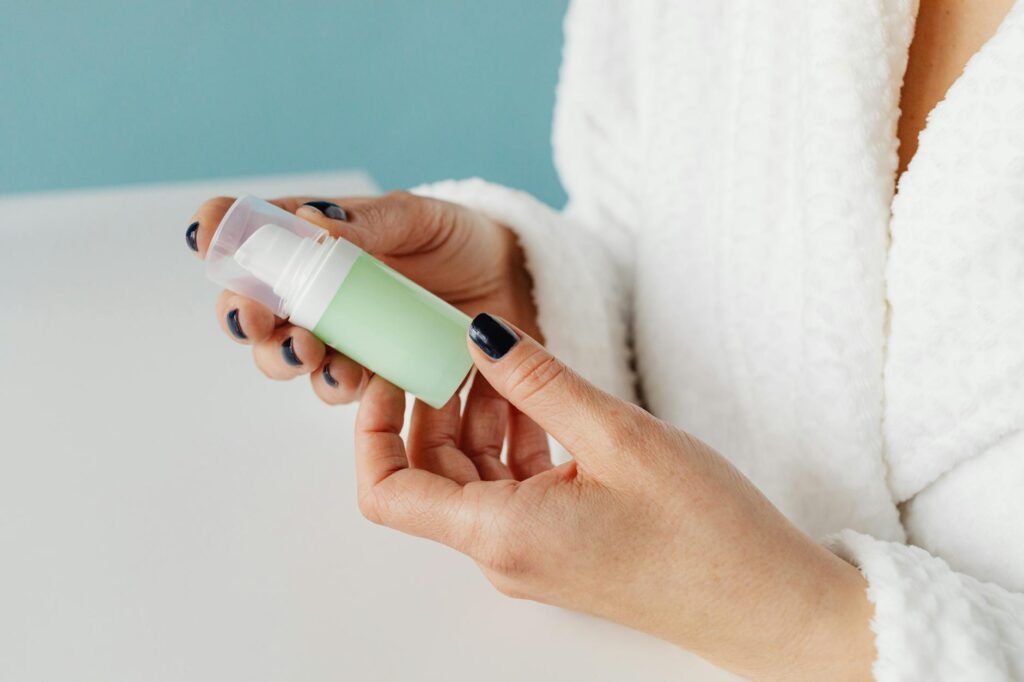
Retinyl retinoate stands out among retinoid options specifically because its chemical structure—a ready-made combination that doesn’t require your body to…
What Retinyl Palmitate Does vs Retinol for Acne-Prone Skin

Retinol and retinyl palmitate are not created equal when it comes to treating acne. While both are vitamin A derivatives, retinol is significantly more…
What Ergothioneine Does for Acne Skin Protection
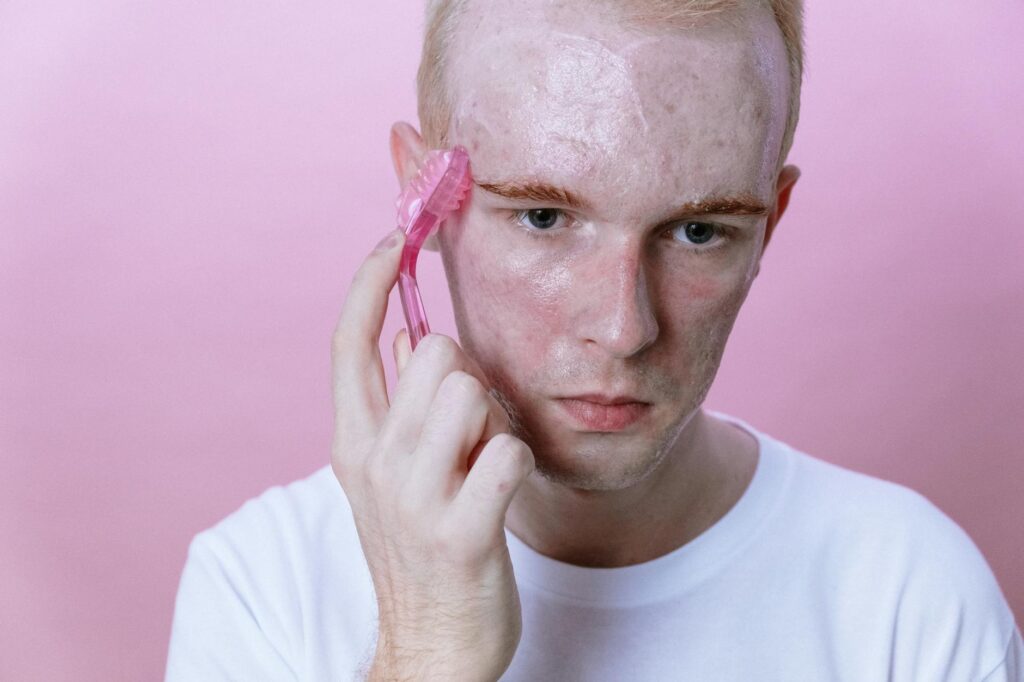
Ergothioneine is a naturally occurring amino acid derivative that acts as a powerful antioxidant and anti-inflammatory agent, making it particularly…