
What Causes Texture Without Inflammation
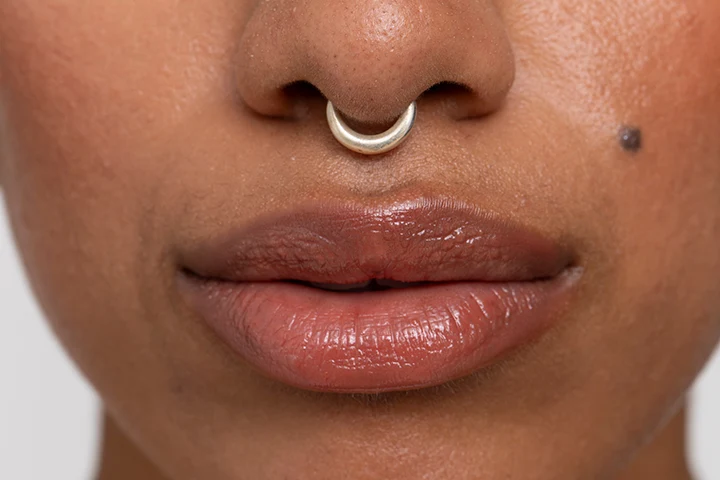
What Causes Texture Without Inflammation Skin texture refers to the smoothness or roughness you feel when touching your face or body. While many people link bumpy or uneven skin to redness and swelling from inflammation, texture problems can happen without any of that. These non-inflammatory issues come from everyday skin processes going off track. One […]
What Causes Acne That Looks Like a Rash
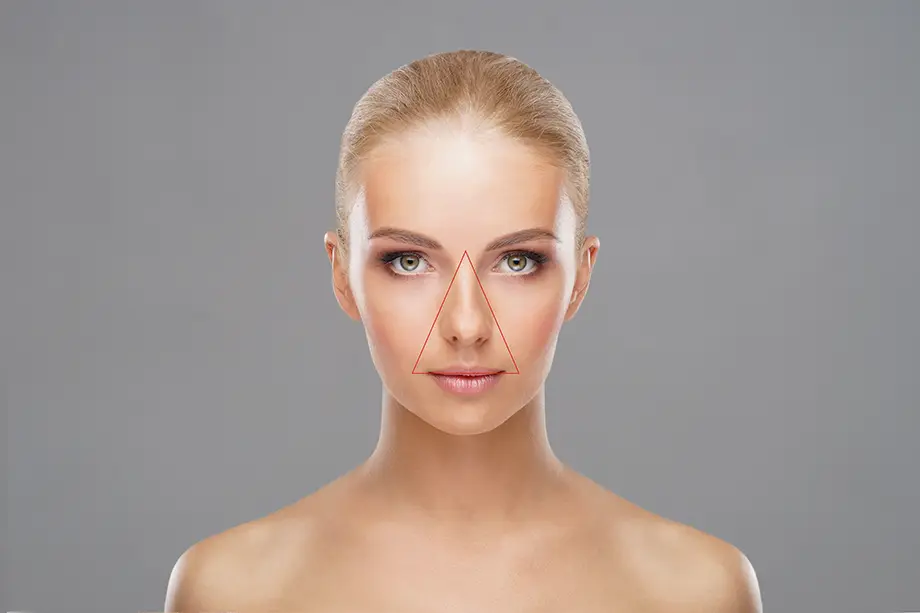
Acne that looks like a rash often comes from infections, allergies, or skin irritations that create red, bumpy, or itchy patches mimicking typical pimples. These conditions can confuse people because they share symptoms like redness, small bumps, and discomfort, but they need different treatments. Fungal acne stands out as a top cause. It happens when […]
What Causes Skin Oil Production to Increase
What Causes Skin Oil Production to Increase Your skin makes oil through tiny glands called sebaceous glands. These glands produce sebum, a natural oil that keeps skin soft and protected. When these glands work too hard, they create extra oil, leading to shiny or greasy skin. Several common factors can cause this overproduction. Genetics play […]
Why Stress Hormones Impact the Skin
Why Stress Hormones Impact the Skin Your skin often shows the first signs of stress because hormones like cortisol travel quickly through your body and affect skin cells directly. When you feel stressed, your brain signals the adrenal glands to release these hormones, starting a chain reaction that changes how your skin looks and feels.[1][2] […]
Why Postpartum Skin Breaks Out

Why Postpartum Skin Breaks Out After giving birth, many new moms notice their skin breaking out with pimples and acne. This happens because your body is still adjusting from the big hormonal shifts of pregnancy. During pregnancy, hormones like progesterone shoot up to help support the baby. These hormones make your skin’s oil glands work […]
Why Skin Changes During Hormonal Transitions
Your skin goes through noticeable changes during hormonal transitions like puberty, pregnancy, perimenopause, and menopause because hormones such as estrogen, progesterone, and testosterone directly influence its structure, moisture, and oil production.[1][2][3][5] Estrogen plays a big role in keeping skin healthy. It supports collagen, which gives skin its firmness and bounce. It also helps produce natural […]
Why Hormonal Acne Is Not Always About Hormones
Why Hormonal Acne Is Not Always About Hormones You might see a stubborn pimple on your jawline and think it is all down to raging hormones. While hormones often play a big part, especially in adults, they are not the only reason for these breakouts. Many other everyday factors can trigger what looks like hormonal […]
Why Skin Can Become Dependent on Products
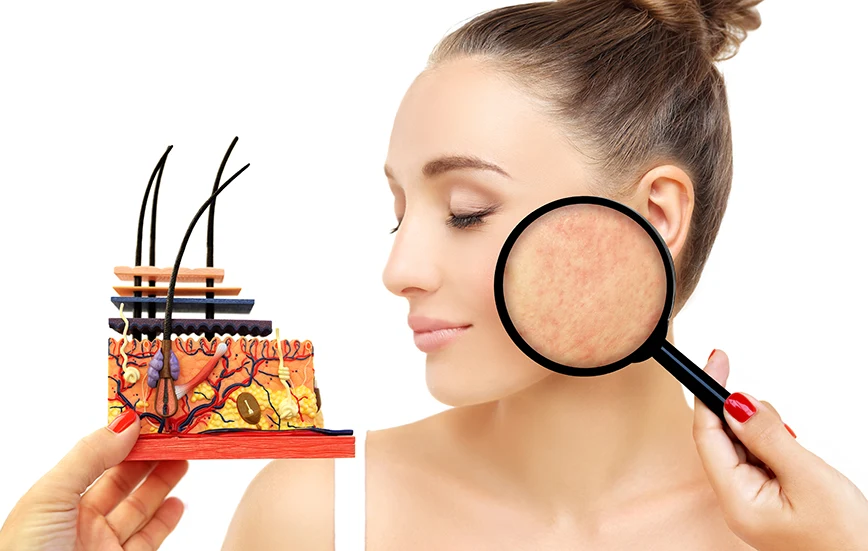
Your skin can become dependent on certain products when they alter its natural functions, making it rely on the product to stay balanced instead of working on its own. This happens most often with strong ingredients or overuse, leading to worse problems if you stop. Think about topical steroids, often used for eczema or rashes. […]
What Causes Acne From Skincare Layering
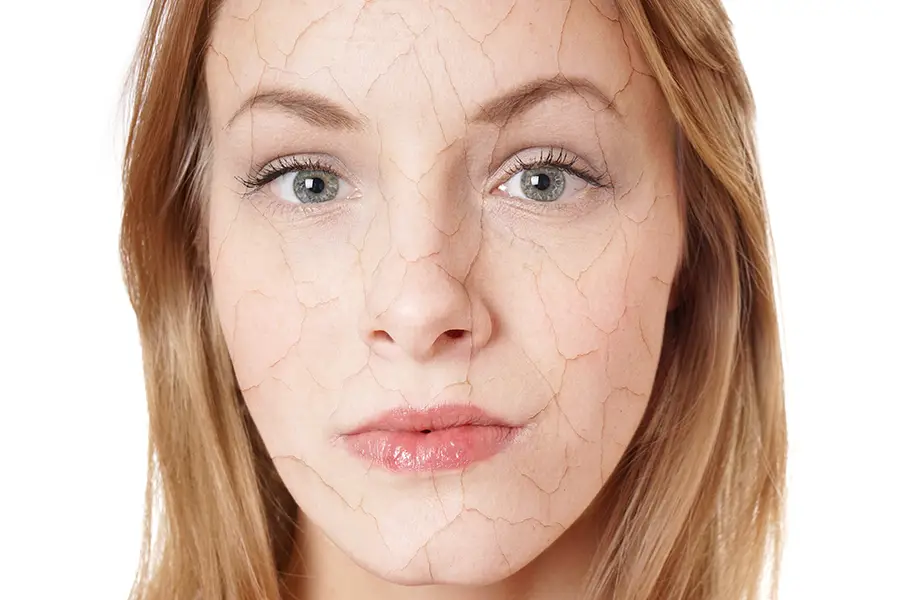
What Causes Acne From Skincare Layering Skincare layering means applying multiple products one after another, like cleanser, toner, serum, and moisturizer. When done wrong, it can damage your skin barrier and cause acne. The skin barrier is like a protective shield made of oils and proteins that keeps out bacteria and holds in moisture. Harsh […]
Why Skin Can Break Out From Cleansing Too Often
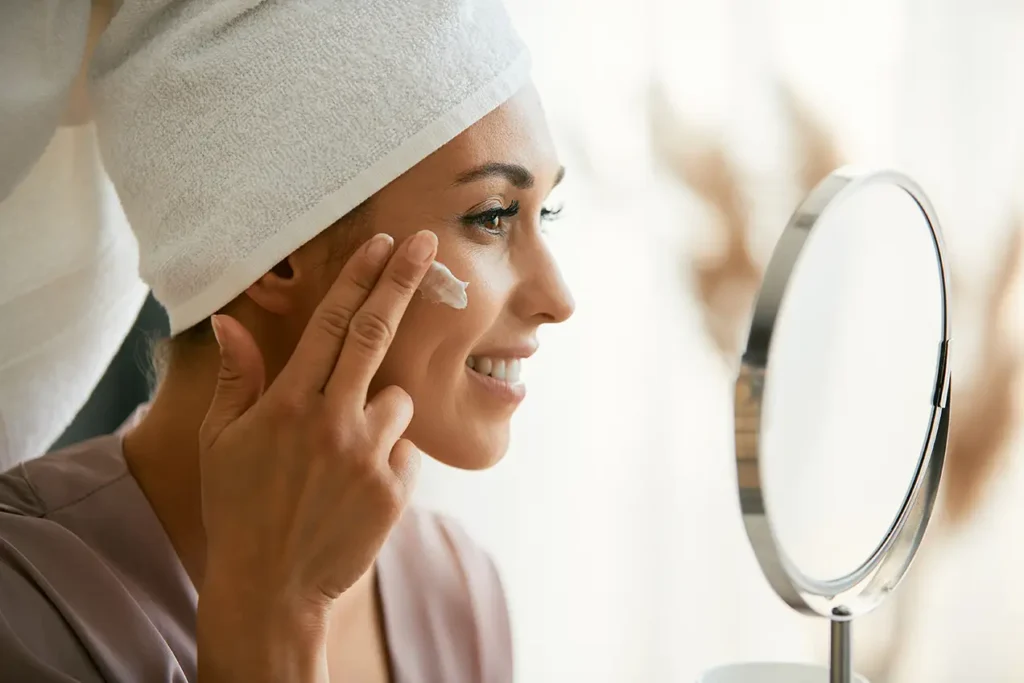
Why Skin Can Break Out From Cleansing Too Often Many people think washing their face more often will clear up breakouts, but it can actually make acne worse. Over-cleansing strips away the skin’s natural oils, which damages its protective barrier and leads to more pimples. Your skin has a thin outer layer called the skin […]