
Why Phone Screen Bacteria Causes Cheek Acne
Your phone screen is almost certainly giving you cheek acne, and the mechanism is straightforward: cell phones carry up to 10 times more bacteria than a…
Why Too Much Niacinamide Can Cause Breakouts
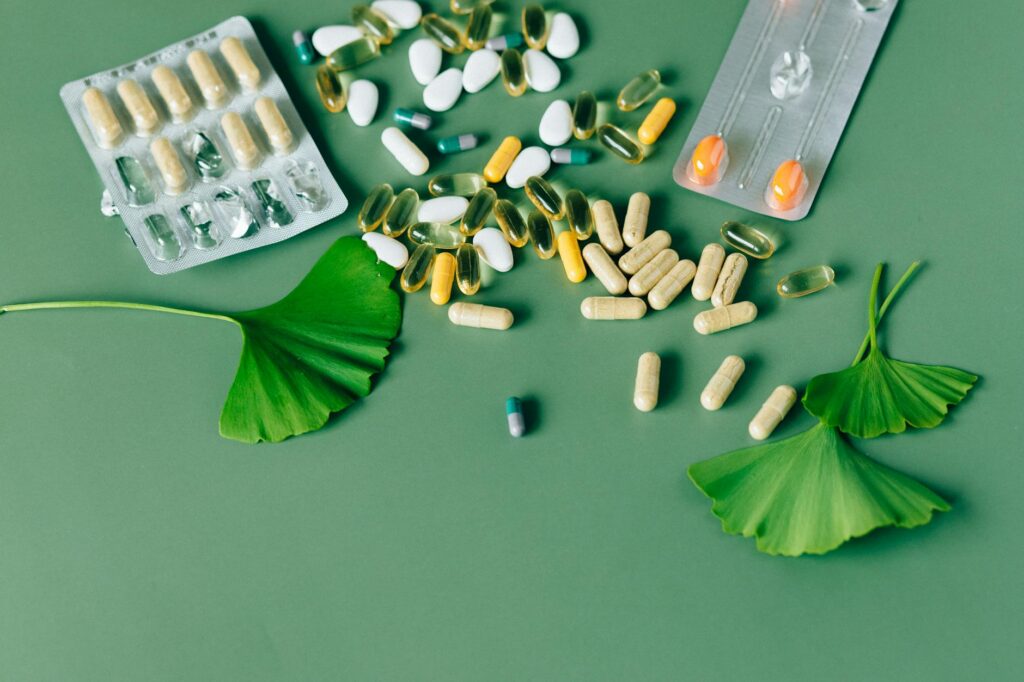
Too much niacinamide causes breakouts primarily because concentrations above 5–10% can trigger an irritation response in the skin — redness, small bumps,…
Why Tretinoin Causes Peeling and Redness at First

Tretinoin causes peeling and redness because it dramatically accelerates your skin’s natural cell turnover rate, forcing immature cells to the surface…
What Causes Acne When You Start Adapalene

When you start adapalene, the sudden increase in acne is caused by the drug accelerating your skin’s natural cell turnover cycle, which pushes existing…
Why Stripping Your Skin Barrier Causes More Acne
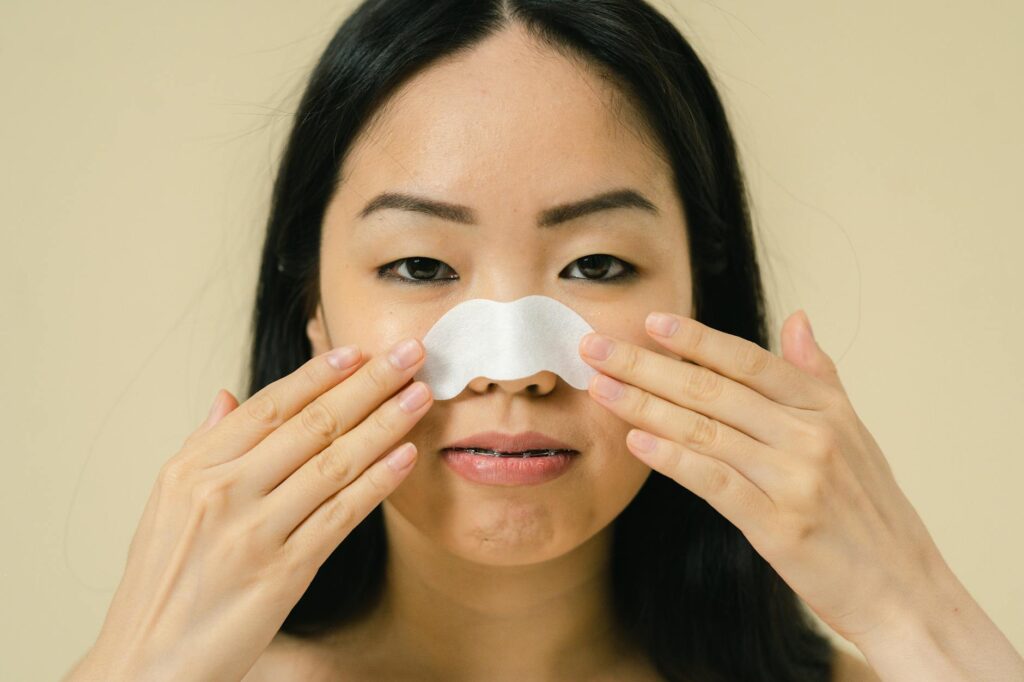
Stripping your skin barrier causes more acne because it triggers a compensatory overproduction of sebum and leaves your pores vulnerable to bacterial…
Why Malassezia Yeast Causes Acne-Like Bumps

Malassezia yeast causes acne-like bumps because it thrives inside hair follicles, feeding on sebum and triglycerides, and triggering an inflammatory…
Why Cortisol Causes Sudden Overnight Breakouts

Cortisol causes sudden overnight breakouts through a surprisingly direct mechanism: it stimulates your sebaceous glands to overproduce oil, increases your…
Why Low Progesterone Causes Breakouts
Low progesterone causes breakouts primarily because it removes a critical hormonal brake on androgen activity.
What Causes Acne When Estrogen Is Too High
High estrogen does not cause acne in the way most people assume. In fact, estrogen generally protects against acne by shrinking sebaceous glands, reducing…
Why Chemotherapy Causes Acne-Like Rashes
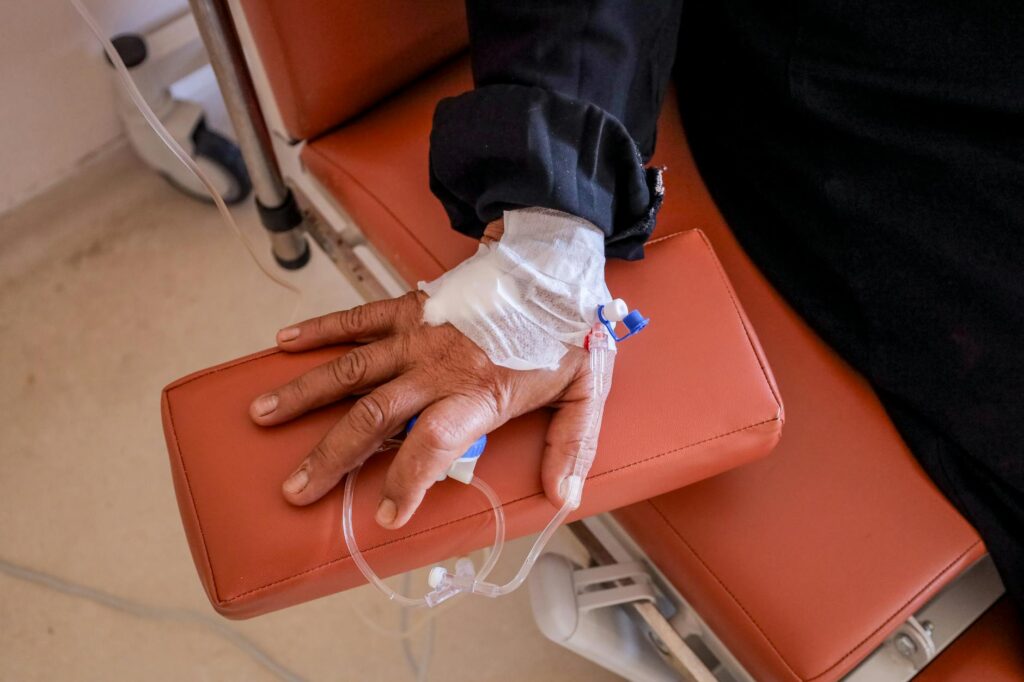
Chemotherapy causes acne-like rashes primarily because certain cancer drugs — especially EGFR inhibitors — block a receptor that normal skin cells depend…