
Can Seasonal Changes Trigger Acne Flare Ups

Yes, seasonal changes can trigger acne flare-ups, and research confirms this happens to a substantial portion of acne sufferers.
How to Use Tranexamic Acid for Acne Scars
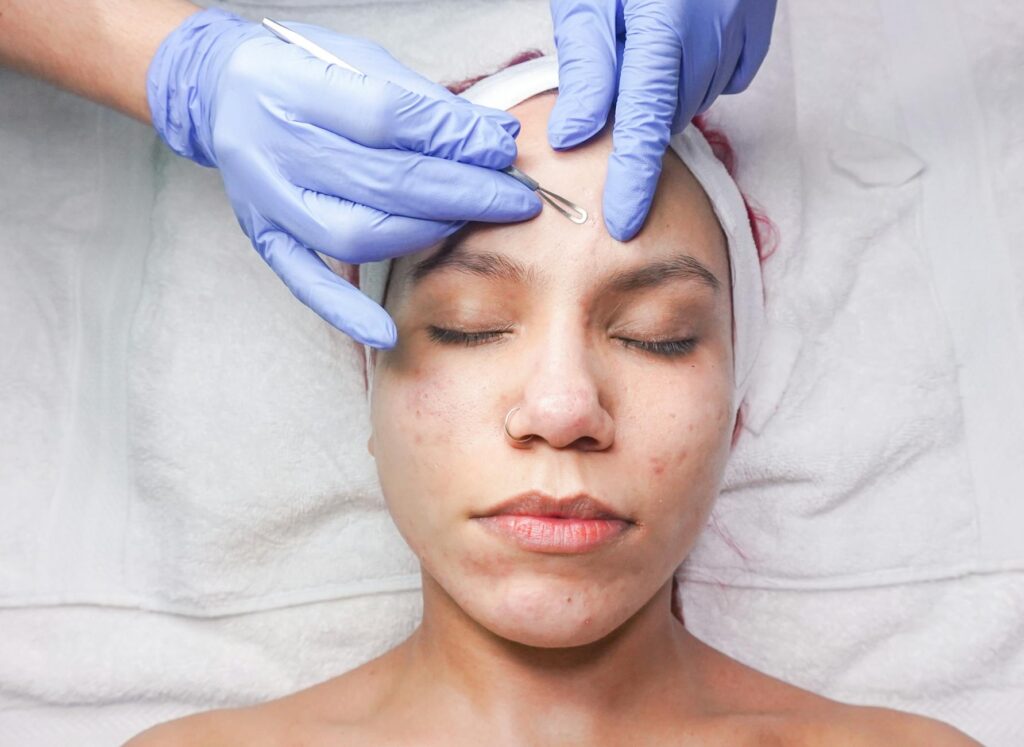
Tranexamic acid treats acne scars by inhibiting melanin production in the skin, making it particularly effective for post-inflammatory…
What Causes Acne Clusters on Lower Face Area
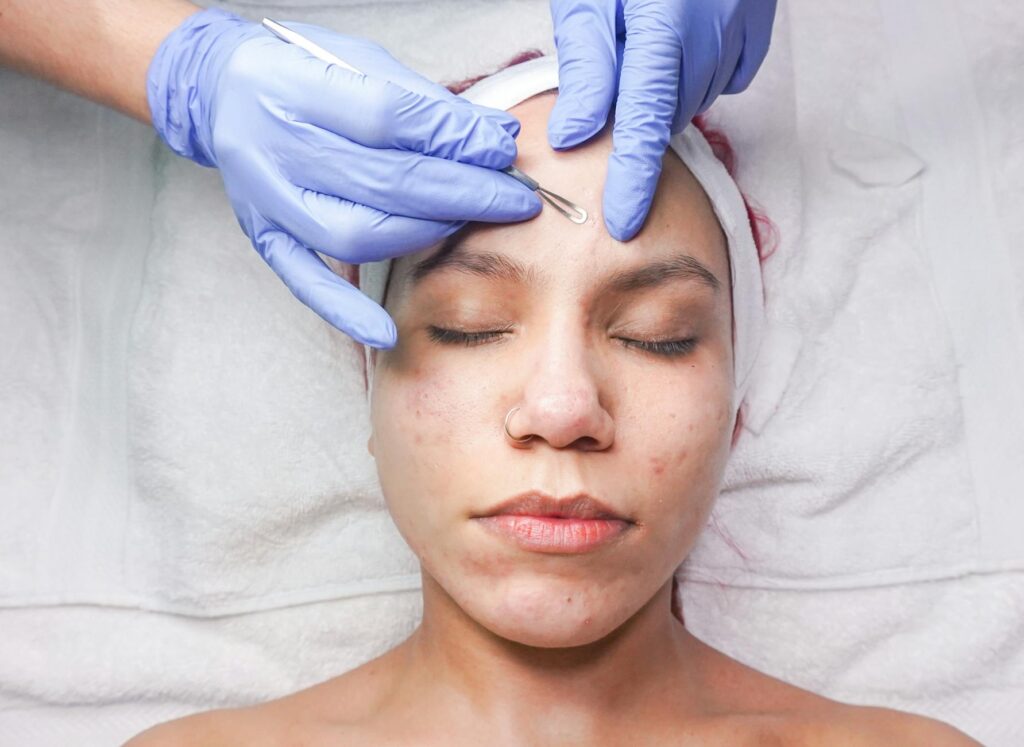
Acne clusters on the lower face””concentrated along the jawline, chin, and around the mouth””are primarily caused by hormonal fluctuations that stimulate…
How to Prevent Acne When Starting New Skincare
The most effective way to prevent acne when starting new skincare is to introduce products one at a time, patch test each for 7-10 days before full…
Best Face Mists for Refreshing Acne Prone Skin
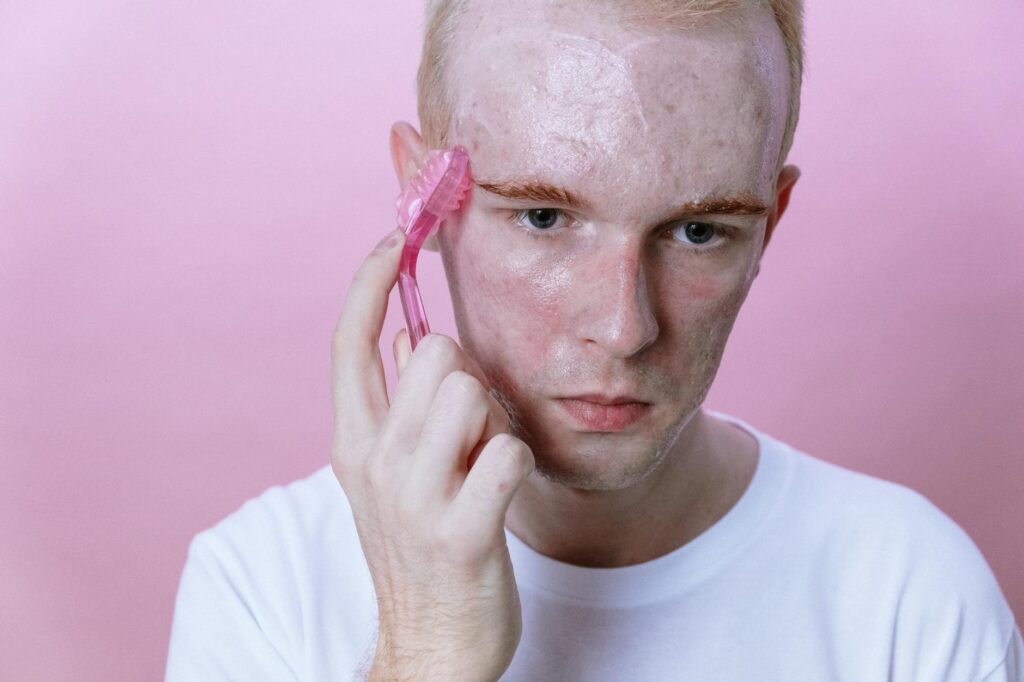
The best face mists for acne-prone skin contain targeted active ingredients rather than plain water””look for formulas with hypochlorous acid, salicylic…
Does Applying Honey Help Clear Acne Naturally
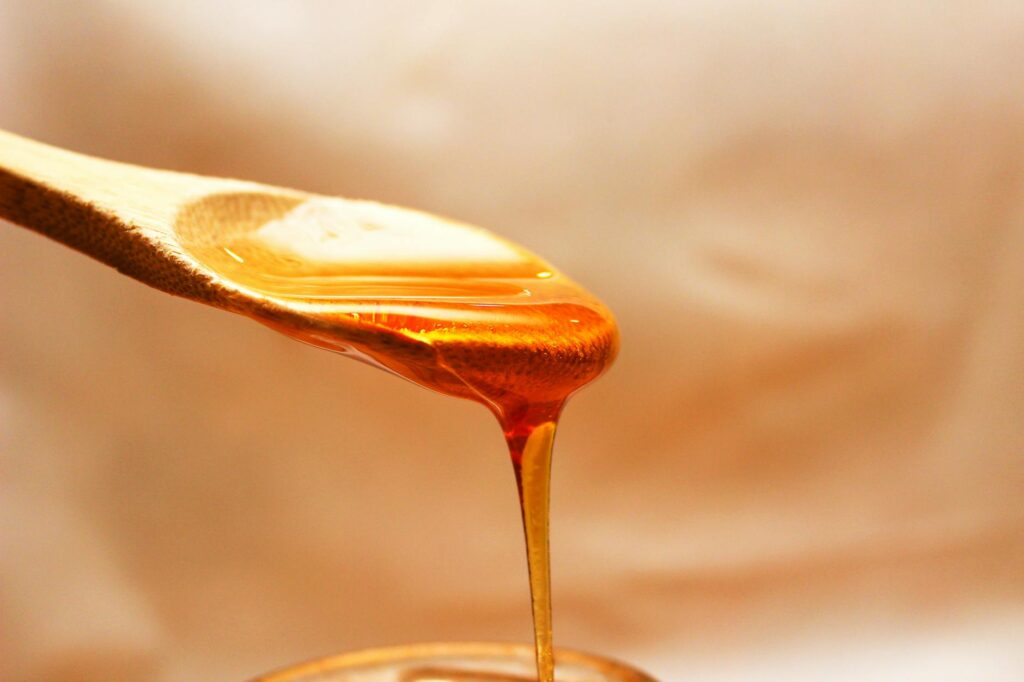
The short answer is no””applying honey does not effectively clear acne based on current clinical evidence.
How to Get Rid of Rough Texture From Acne

Getting rid of rough texture from acne requires a combination of chemical exfoliation, consistent hydration, and patience””typically three to six months…
What Are the Best Ingredients to Avoid for Acne
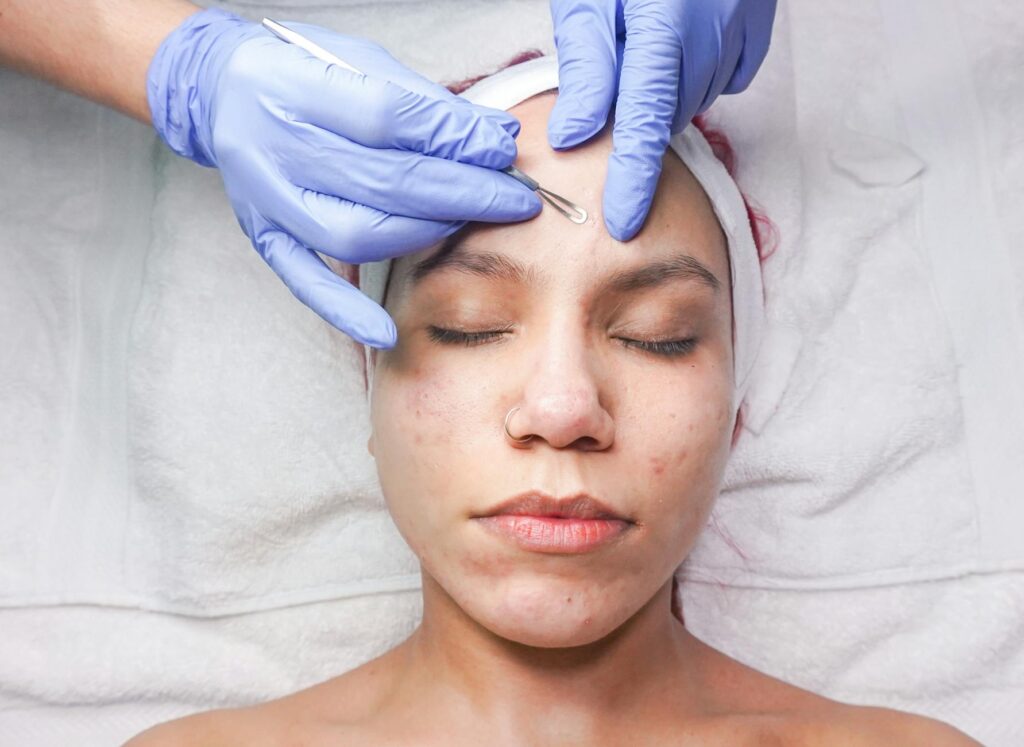
The best ingredients to avoid for acne fall into three main categories: comedogenic oils and emollients that physically block pores (coconut oil, cocoa…
How to Treat Acne Caused by Dirty Makeup Brushes

Treating acne caused by dirty makeup brushes requires a two-pronged approach: first, stop the source of contamination by thoroughly cleaning or replacing…
Can High Cortisol Levels Cause Acne Breakouts

Yes, high cortisol levels can contribute to acne breakouts. When cortisol””the body’s primary stress hormone””rises, it prompts the sebaceous glands in…