
0.05 Percent Salicylic Acid for Acne
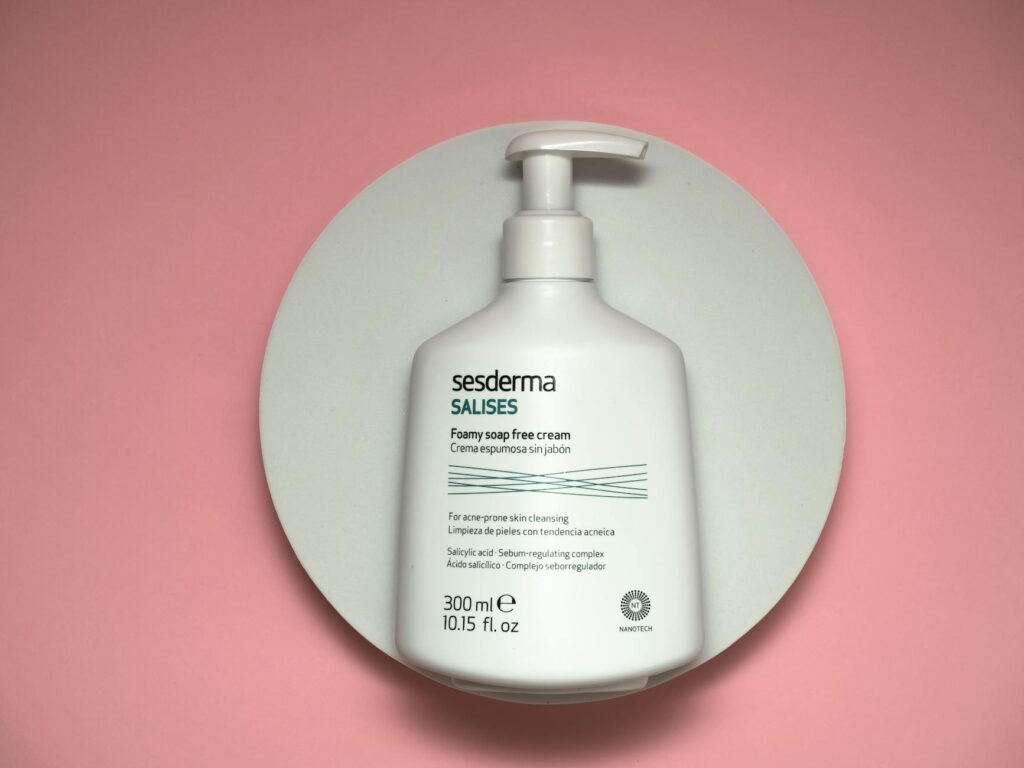
A 0.05 percent salicylic acid concentration is not effective for treating acne. This concentration falls far below the FDA-approved therapeutic range of 0.
0.05 Percent Retinol for Acne Beginners
If you’re searching for a 0.05% retinol product to start your acne treatment journey, you may be looking in the wrong category entirely.
0.05 Percent Benzoyl Peroxide for Acne
Here’s the straightforward answer: 0.05 percent benzoyl peroxide is not a commercially available acne treatment, and you won’t find it on drugstore…
0.025 Percent Salicylic Acid for Acne
A concentration of 0.025 percent salicylic acid is unlikely to provide meaningful acne treatment.
0.025 Percent Retinol for Acne Beginners
For acne beginners, 0.025 percent is the ideal starting strength for both prescription tretinoin and over-the-counter retinol products.
0.025 Percent Benzoyl Peroxide for Acne
The concentration of 0.025% benzoyl peroxide is not a product you can buy at a drugstore””it is the Minimum Inhibitory Concentration (MIC) established in…
How to Prevent Acne When Switching Skincare Products
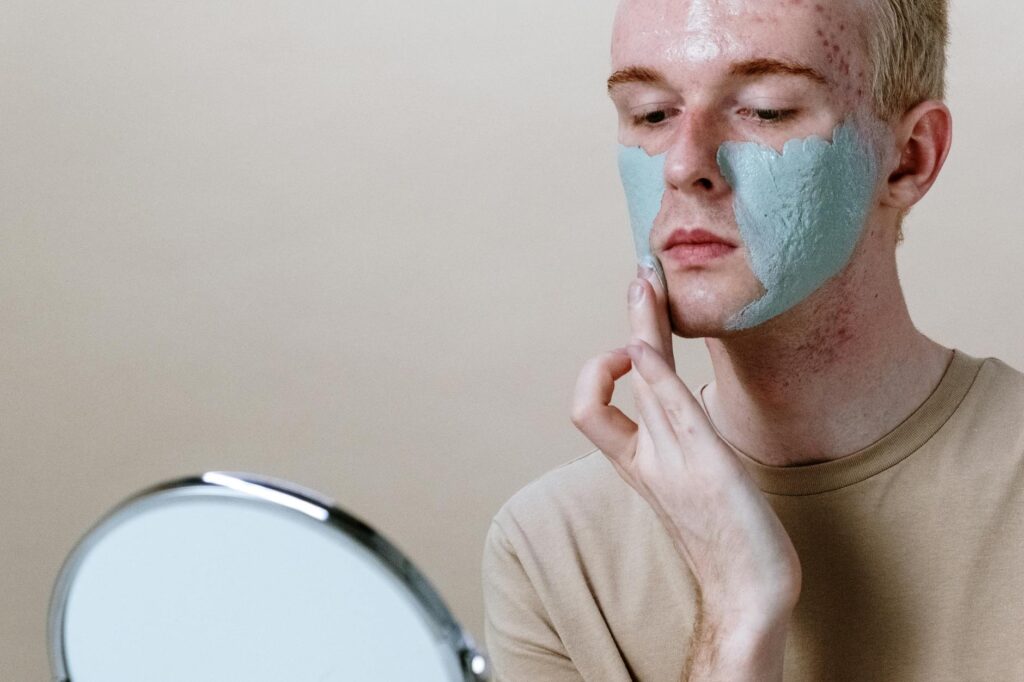
The single most effective way to prevent acne when switching skincare products is to introduce only one new product at a time and wait at least four to…
Best Cushion Compacts for Acne Prone Skin Coverage
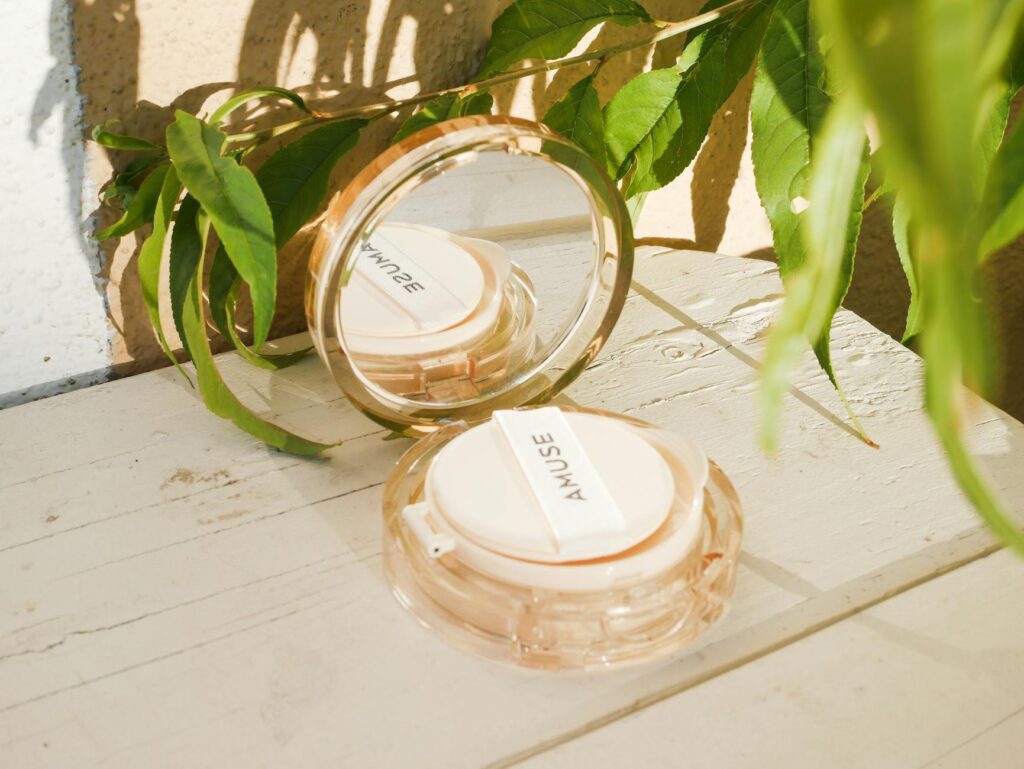
The best cushion compacts for acne-prone skin combine oil-controlling properties with soothing, non-comedogenic formulas that cover blemishes without…
Does Applying Turmeric Help Reduce Acne Inflammation
Topical turmeric does appear to help reduce acne inflammation, according to growing scientific evidence””though with important caveats.
What Are the Signs Your Acne Is Healing Properly

The most reliable signs that your acne is healing properly include reduced redness and inflammation around breakouts, pimples that flatten and decrease in…