
5 Percent Benzoyl Peroxide for Acne
Five percent benzoyl peroxide is an effective concentration for treating mild to moderate acne, offering the same bacterial-killing power as higher…
2 Percent Salicylic Acid for Acne
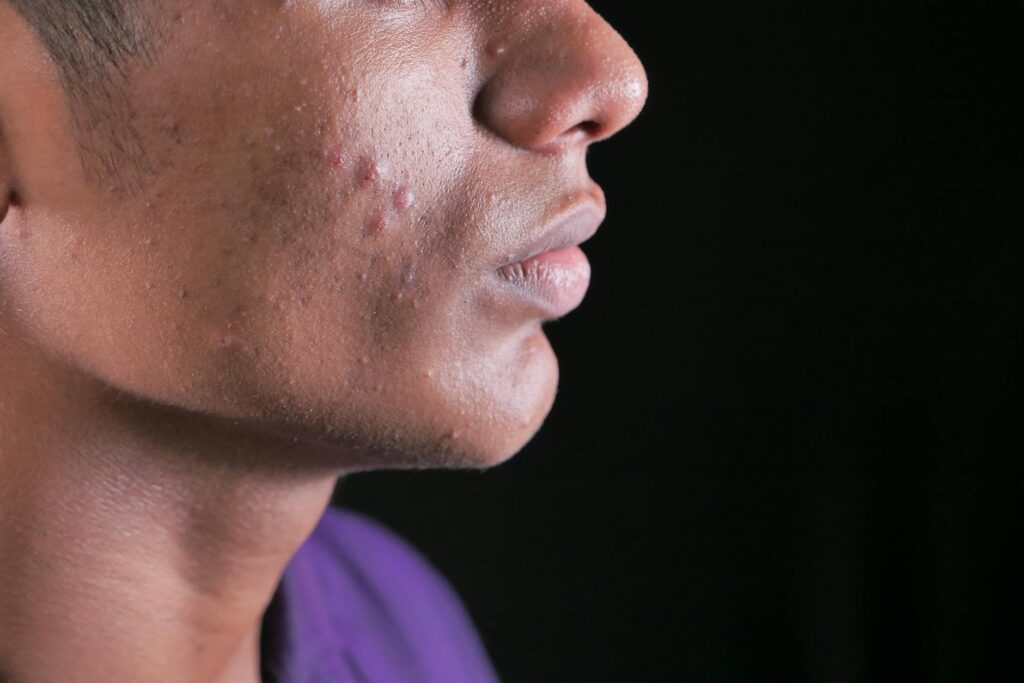
Two percent salicylic acid is the maximum concentration allowed by the FDA for over-the-counter acne treatment, and clinical research supports its…
2 Percent Retinol for Acne Beginners
If you’re considering 2 percent retinol for your acne-prone skin as a beginner, here’s the straightforward answer: don’t start there.
2 Percent Benzoyl Peroxide for Acne
Two percent benzoyl peroxide is one of the most effective starting concentrations for treating acne, offering results comparable to higher-strength…
10 Percent Salicylic Acid for Acne
Ten percent salicylic acid is not intended for daily acne treatment””it functions as a chemical peel that should be used occasionally under professional…
10 Percent Retinol for Acne Beginners

Understanding 10 percent retinol for acne beginners is essential for anyone interested in skincare and acne treatment.
10 Percent Benzoyl Peroxide for Acne

Ten percent benzoyl peroxide is the highest concentration available without a prescription and is most appropriate for people with moderate to severe…
0.1 Percent Salicylic Acid for Acne
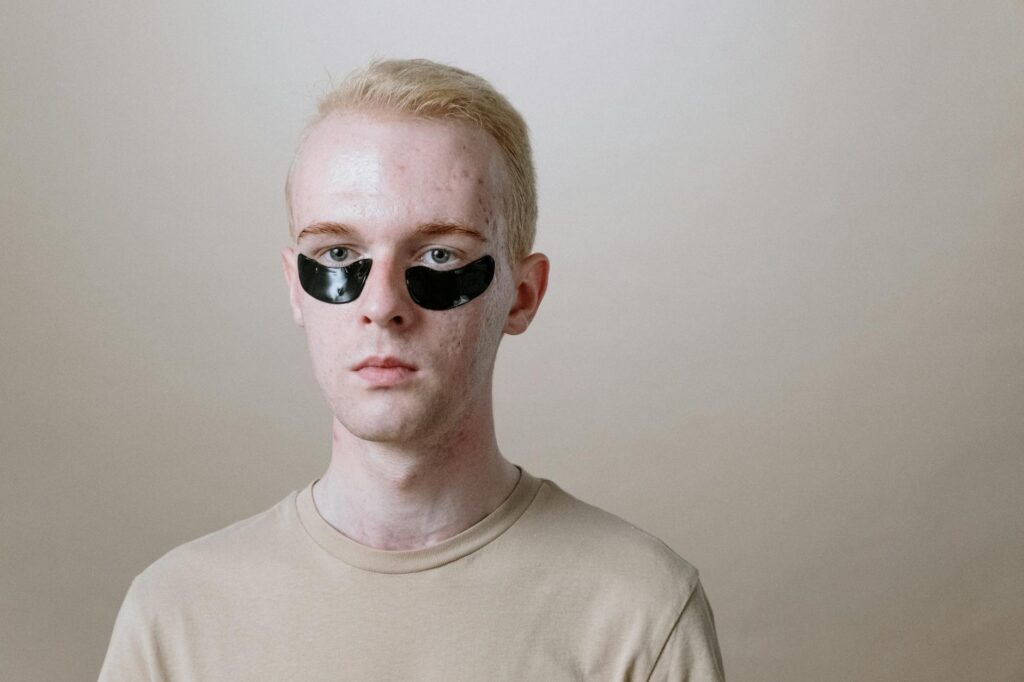
A concentration of 0.1 percent salicylic acid falls below the threshold needed to effectively treat acne.
0.1 Percent Retinol for Acne Beginners
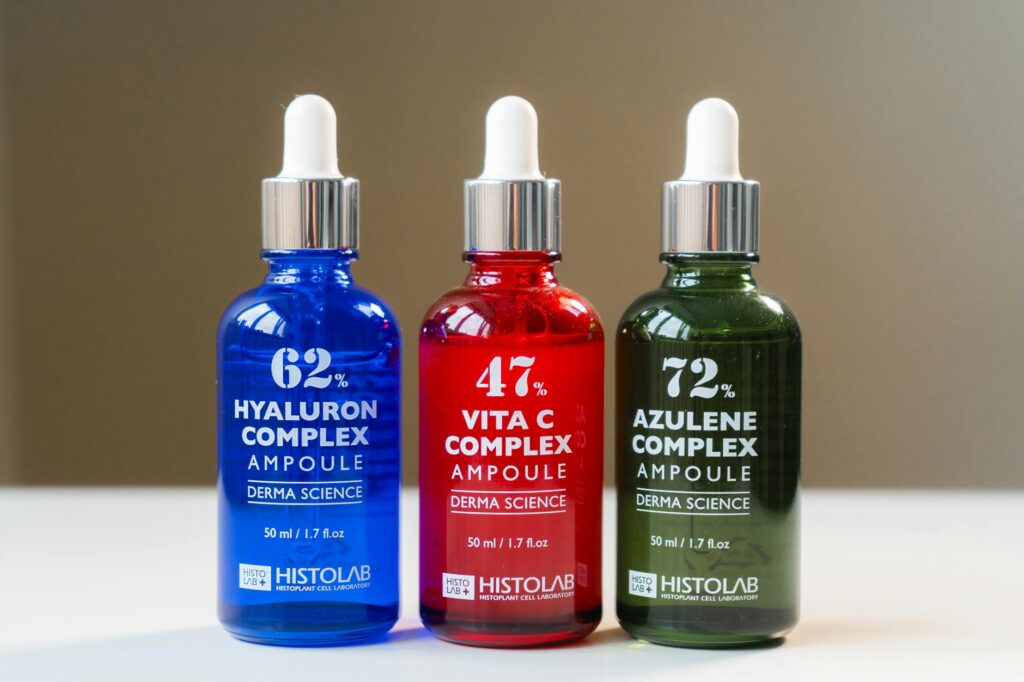
Yes, 0.1% retinol is an appropriate starting concentration for acne-prone beginners, particularly those with sensitive or easily irritated skin.
0.1 Percent Benzoyl Peroxide for Acne
Here’s the straightforward answer: 0.1 percent benzoyl peroxide does not exist as a standard acne treatment formulation.