
Why LaViv (Azficel-T) Was FDA-Approved for Nasolabial Folds and Scars

LaViv (Azficel-T) received FDA approval on June 21, 2011, as the first and only personalized aesthetic cell therapy approved specifically for moderate to…
What Autologous Fibroblast Injection Does for Acne Scars
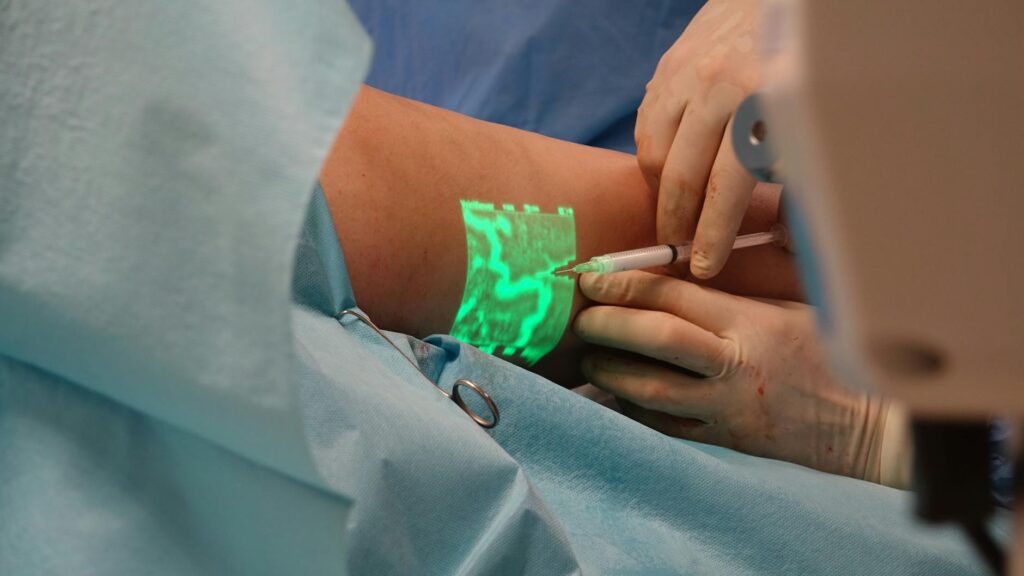
Autologous fibroblast injection directly addresses acne scars by injecting your own living skin cells—specifically fibroblasts harvested from an…
Why PMMA Microspheres in Bellafill Are Permanent for Scar Filling
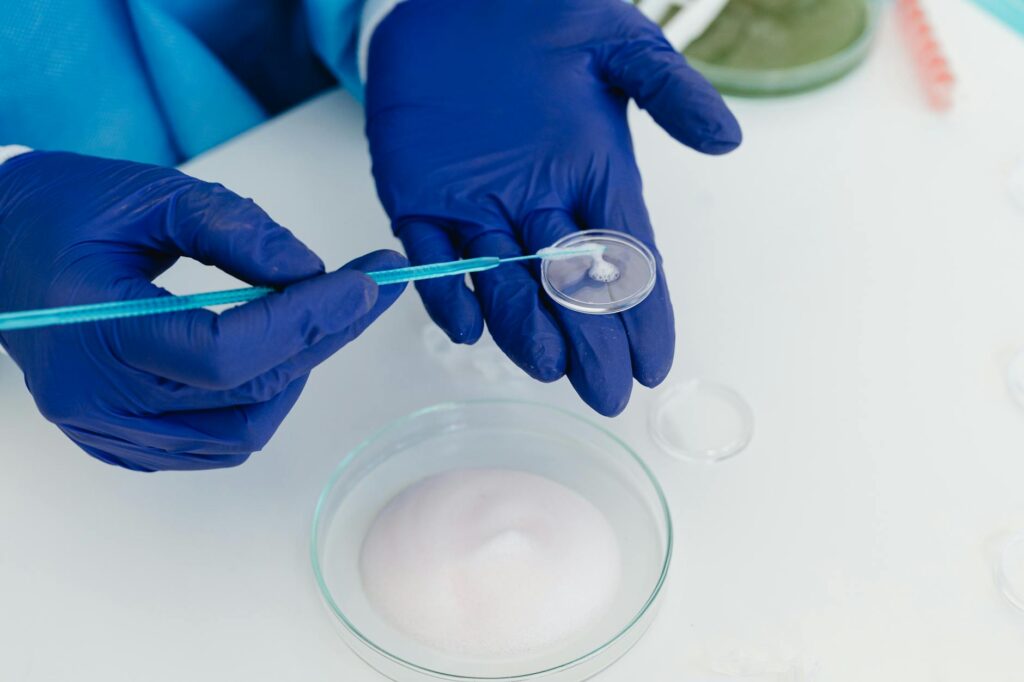
Bellafill’s permanence for scar treatment comes down to one specific material: polymethylmethacrylate (PMMA) microspheres.
What CaHA Microspheres Do for Collagen Induction in Acne Scars
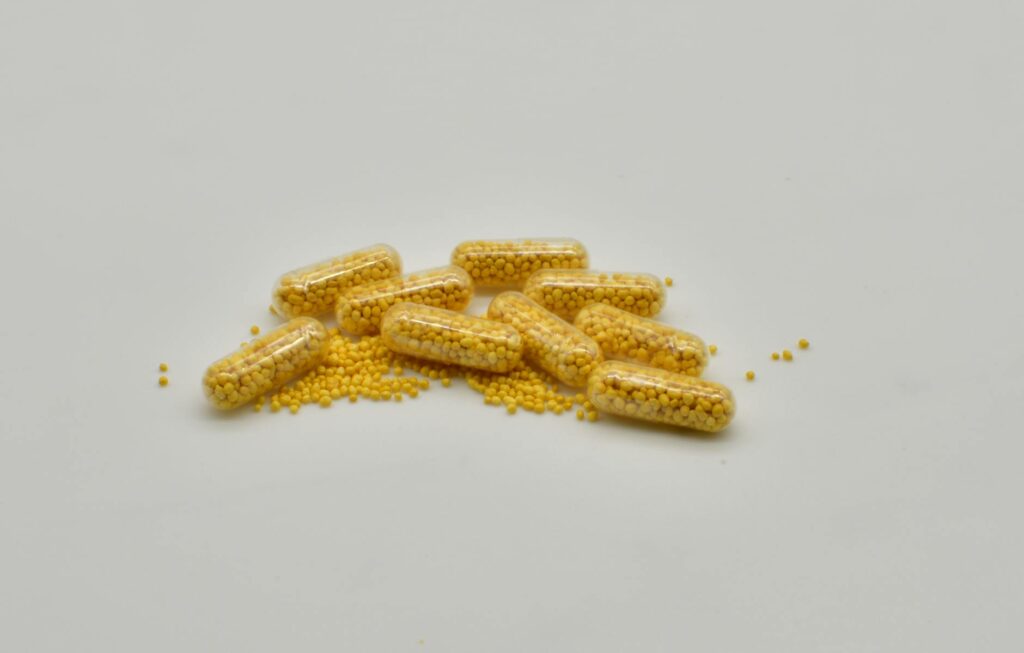
CaHA microspheres work by directly activating your skin’s fibroblasts—the cells responsible for producing collagen—through physical contact and mechanical…
Why Poly-L-Lactic Acid Differs from Hyaluronic Acid for Scars
Poly-L-lactic acid (PLLA) and hyaluronic acid (HA) are fundamentally different treatments for scars because they work through opposite mechanisms.
What Recombinant Human Collagen Does for Acne Scar Injection

Recombinant human collagen injections work by physically filling acne scar depressions while simultaneously stimulating your body to produce more of its…
What IGF-1 Does for Dermal Fibroblast Activity in Scars
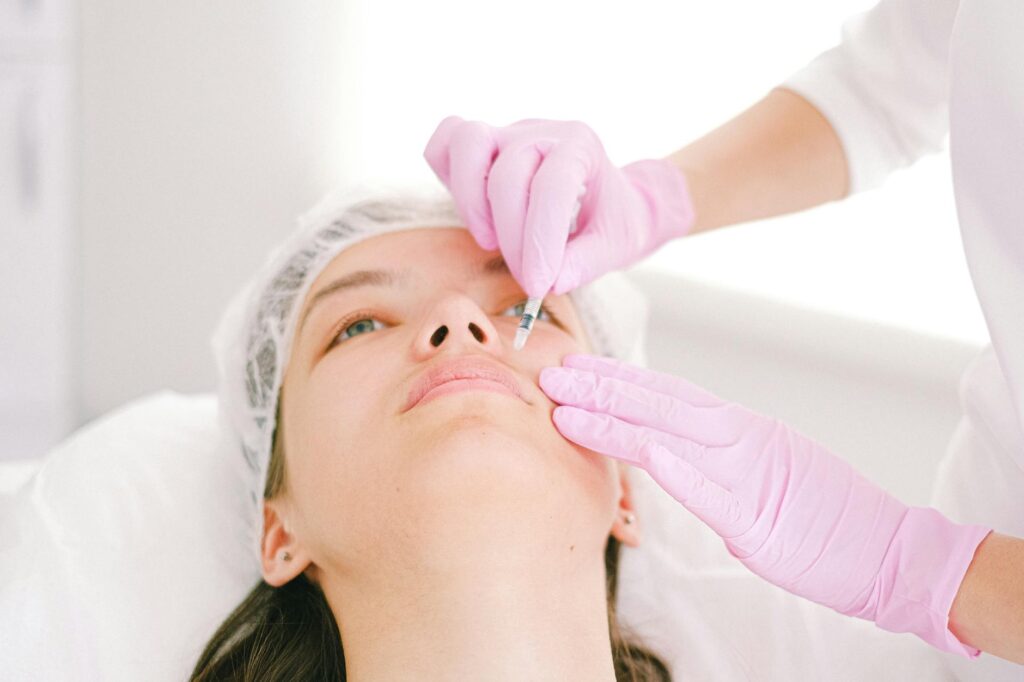
IGF-1 (Insulin-like Growth Factor 1) directly stimulates dermal fibroblasts to increase collagen production and remodeling, which is why it has become a…
Why KGF (Keratinocyte Growth Factor) Speeds Acne Wound Healing

Keratinocyte Growth Factor (KGF) is proven to accelerate wound healing through specific biological mechanisms—but here’s what you need to know: while KGF…
What VEGF Stimulation Does for Scar Vascularity and Healing

VEGF (vascular endothelial growth factor) stimulation improves scar vascularity—the development of healthy blood vessel networks within scarred…
Why bFGF (Basic Fibroblast Growth Factor) Is Used in Some Scar Serums

bFGF (basic fibroblast growth factor) is used in scar serums because it actively prevents the formation of myofibroblasts—the cells primarily responsible…