
Yes, testosterone levels can significantly affect acne severity, but the relationship is more nuanced than a simple “more testosterone equals more acne” equation. Research shows that androgens, including testosterone, are the most important hormones regulating sebum production, and when testosterone increases””whether through puberty, hormone therapy, or other means””acne often follows. A January 2026 study of over 12,000 patients found that transmasculine individuals starting testosterone therapy had a hazard ratio of 8.29 for developing acne in their first year compared to cisgender men, with 15.8% developing acne within five years.
However, the critical finding across multiple studies is that individual sensitivity to androgens matters more than absolute testosterone levels, meaning two people with identical testosterone readings can have vastly different acne outcomes. The mechanism works like this: testosterone gets converted to dihydrotestosterone (DHT) by an enzyme called 5α-reductase within the sebaceous glands, and DHT is 5-10 times more potent than testosterone at stimulating oil production. Consider someone beginning testosterone therapy who had clear skin their entire life””within 6-12 months (the peak incidence window identified in research), they may suddenly experience breakouts ranging from mild comedones to inflammatory cystic acne on their face and trunk. This article will explore exactly how testosterone triggers acne at the cellular level, what the latest large-scale studies reveal about incidence rates, why some people are more susceptible than others, and what treatment approaches work best for hormone-related breakouts.
Table of Contents
- How Does Testosterone Trigger Acne at the Biological Level?
- What Does Research Say About Testosterone Therapy and Acne Incidence?
- Why Do Some People Get Severe Acne While Others Stay Clear?
- When Does Testosterone-Related Acne Peak, and How Long Does It Last?
- What Are the Treatment Limitations for Hormone-Related Acne?
- The Role of Skincare in Managing Testosterone-Induced Breakouts
- Looking Ahead: What Future Research May Reveal
- Conclusion
How Does Testosterone Trigger Acne at the Biological Level?
acne pathogenesis involves three interconnected factors: sebaceous hypersecretion (excess oil), follicular hyperkeratinization (clogged pores from dead skin cells), and microbial dysbiosis””primarily an overgrowth of Cutibacterium acnes bacteria. Testosterone influences the first factor directly and the others indirectly. Androgen receptors located in sebaceous glands and hair follicles respond to testosterone and its more potent derivative DHT, ramping up sebum production when stimulated. This excess sebum creates an environment where C. acnes thrives, leading to inflammation and the characteristic papules, pustules, and cysts of acne. The conversion of testosterone to DHT by 5α-reductase is particularly important to understand.
Someone might have moderate testosterone levels but highly active 5α-reductase enzymes in their skin, resulting in localized DHT concentrations that trigger severe acne. Conversely, another person with higher circulating testosterone but less enzyme activity might experience minimal breakouts. This explains a finding that puzzles many patients: a 2022 study found that people with acne often have testosterone levels within normal ranges, suggesting that what happens at the tissue level matters more than what shows up on a blood test. For practical purposes, this means you cannot predict acne severity simply by looking at someone’s hormone panel. The timing of when testosterone rises also matters. Acne affects 70-87% of adolescents in the general population, with onset directly correlated to puberty when androgen production increases. This universal experience demonstrates that even natural, gradual testosterone increases trigger acne in most people””it is an expected biological response, not an anomaly.

What Does Research Say About Testosterone Therapy and Acne Incidence?
Multiple studies have now quantified the acne risk associated with testosterone therapy, and the numbers are consistent enough to consider acne a predictable side effect rather than an unusual occurrence. A Boston study following 988 patients found that acne prevalence jumped from 6.3% before testosterone therapy to 31.1% after an average of 3.4 years of treatment””nearly a fivefold increase. Younger age at testosterone initiation was associated with higher acne incidence, likely because adolescent skin already has more active sebaceous glands. A New York study of 20 patients demonstrated even more dramatic short-term changes: facial acne diagnoses increased from 35% to 82% over just four months, while truncal (back and chest) acne increased from 15% to 88% over the same period. An Atlanta study focusing on adolescents found that among 46 patients without baseline acne, 54% developed acne within one year of starting testosterone, rising to 70% at two years.
Notably, patients also using progestin had significantly higher rates””92% versus 33%””suggesting that combined hormone therapies may compound acne risk. However, these percentages come with an important limitation: severity was typically mild to moderate in most cases. The January 2026 large-scale study of 12,156 patients found that while 15.8% of transmasculine patients developed acne within five years, only 5.9% developed moderate-to-severe acne. This means roughly two-thirds of those who developed acne experienced forms manageable with standard topical treatments. If you are considering testosterone therapy and worried about skin effects, the odds favor mild breakouts that respond to conventional acne treatments rather than severe, scarring acne.
Why Do Some People Get Severe Acne While Others Stay Clear?
The question of individual susceptibility remains one of the most important””and frustrating””aspects of hormone-related acne. Research consistently shows no meaningful association between testosterone dosage or route of administration (injections, gels, patches) and acne development. Two patients on identical regimens can have completely different skin outcomes. The explanation lies in genetic and biological factors that determine how skin tissue responds to androgens. Androgen receptor sensitivity varies between individuals. Some people have sebaceous glands that respond aggressively to even modest androgen signals, while others have receptors that remain relatively unresponsive.
Additionally, 5α-reductase enzyme activity differs person to person, affecting how much testosterone gets converted to the more potent DHT within the skin. These factors are largely inherited, which is why family history of acne remains one of the best predictors of whether someone will develop hormone-related breakouts. Estrogen plays a balancing role that often gets overlooked. The relationship between testosterone and acne is not just about androgen levels””it is also about whether estrogen levels are high enough to counterbalance androgenic effects. Estrogen has sebum-suppressing properties, which is why many people assigned female at birth experience clearer skin when estrogen levels are high and breakouts when they drop (such as right before menstruation). For someone starting testosterone therapy, the shift in the androgen-to-estrogen ratio may matter more than the absolute testosterone increase. This is a warning for those who assume they can predict their acne response based solely on their testosterone dose: your baseline estrogen levels and how they change relative to testosterone are equally relevant.

When Does Testosterone-Related Acne Peak, and How Long Does It Last?
Timing matters for both planning and treatment. The January 2026 study identified a clear pattern: peak acne incidence occurs at 6-12 months after initiating testosterone therapy. This means someone starting testosterone should not assume they are in the clear if their skin remains stable for the first few months. The breakouts are coming for many people””just delayed. This timing pattern creates both challenges and opportunities. The challenge: people often let their guard down after an initial period of clear skin, then feel blindsided when acne appears six months later. The opportunity: knowing this timeline allows for proactive dermatological care.
Someone beginning testosterone therapy could establish a relationship with a dermatologist and have a treatment plan ready before breakouts become severe. Starting a preventive retinoid or adjusting skincare routines in anticipation of increased oiliness can reduce the severity of eventual breakouts. The duration of testosterone-related acne varies considerably. For adolescents going through puberty, acne typically improves in the late teens or early twenties as hormones stabilize. For adults on testosterone therapy, some experience persistent acne that requires ongoing management, while others find their skin adapts after the first 1-2 years. A comparison: the Atlanta adolescent study showed 70% incidence at two years, but individual trajectories within that cohort varied widely. Some patients saw acne resolve as their bodies adjusted to new hormone levels; others required continued dermatological intervention. There is no reliable way to predict which category you will fall into, so assuming you will need long-term management is the safer approach.
What Are the Treatment Limitations for Hormone-Related Acne?
Standard acne treatments work for hormone-related breakouts, but with some caveats. Topical retinoids, benzoyl peroxide, and topical antibiotics remain first-line options and effectively manage mild to moderate cases. However, severe hormone-related acne may prove resistant to topical approaches alone, requiring oral medications that carry their own considerations. Isotretinoin (Accutane) is highly effective for severe acne but presents specific concerns for transgender patients on testosterone. While it does not interact directly with testosterone, isotretinoin requires monitoring for mood changes and, in those who could become pregnant, stringent contraceptive requirements due to its teratogenicity.
Spironolactone, commonly used for hormonal acne in cisgender women, blocks androgen receptors and could counteract the masculinizing effects of testosterone therapy, making it generally inappropriate for transmasculine patients seeking those effects. This is a significant limitation: one of the most effective anti-androgen acne treatments is off the table for a population with elevated acne risk. The 58% acne rate among anabolic androgenic steroid users highlights another limitation. People using testosterone at supraphysiologic doses for athletic or aesthetic purposes face even higher acne rates, and their breakouts tend toward the severe end. Because these uses often occur outside medical supervision, these individuals may lack access to prescription treatments and monitoring. For anyone considering non-medical testosterone use, acne should be factored in as a near-certain side effect, not a possibility.
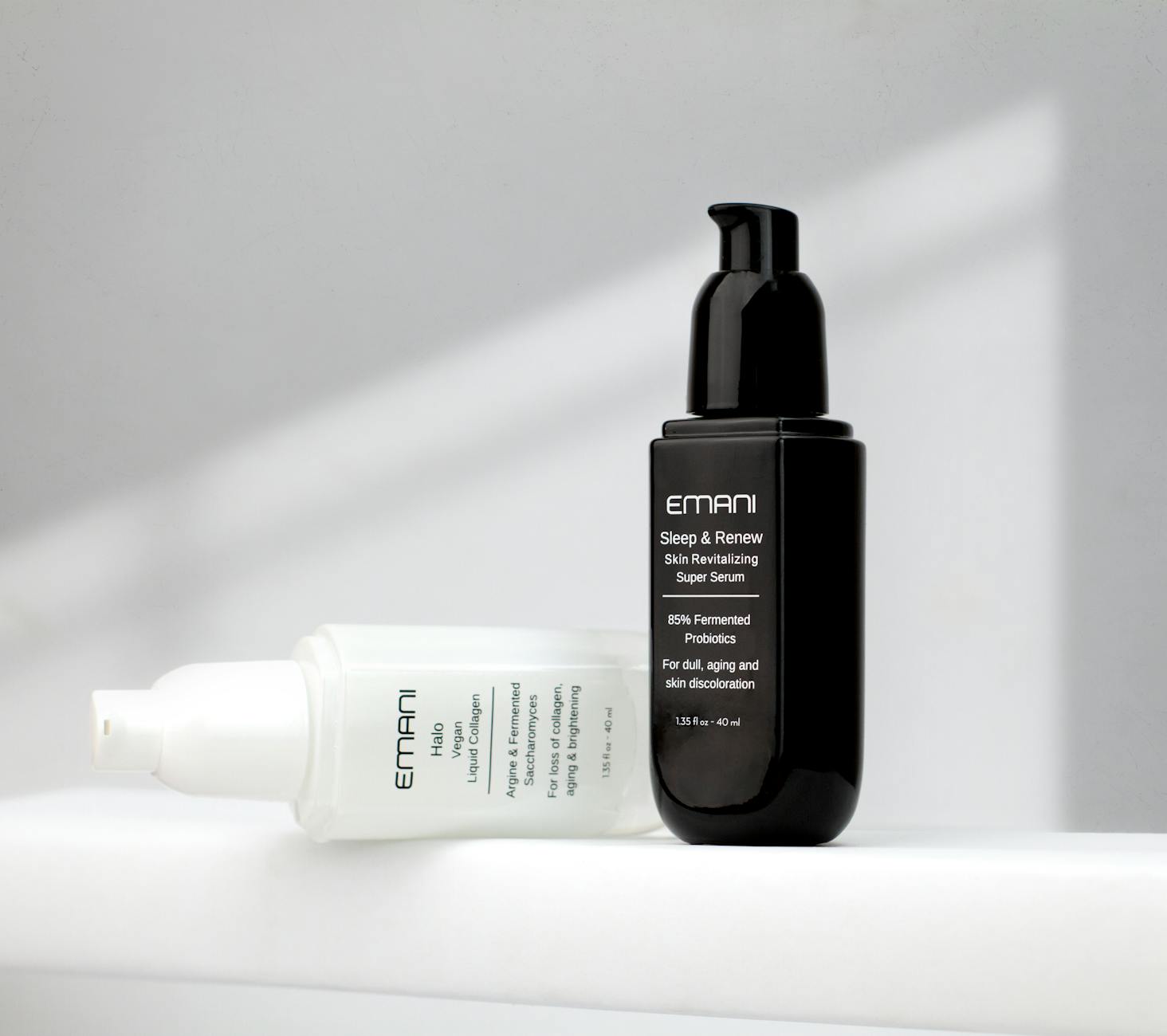
The Role of Skincare in Managing Testosterone-Induced Breakouts
Adjusting skincare routines can meaningfully reduce acne severity even when hormones are the underlying driver. Increased sebum production from testosterone means oil-control becomes paramount. Non-comedogenic products, regular cleansing (especially after sweating, which increases with testosterone), and lightweight moisturizers help prevent pore clogging.
Truncal acne, which the New York study showed increasing from 15% to 88% on testosterone, benefits from body washes containing salicylic acid or benzoyl peroxide and wearing breathable fabrics. For example, someone who previously washed their face once daily with a gentle cleanser may need to switch to twice-daily cleansing with a salicylic acid-based product and add a lightweight, oil-free moisturizer with niacinamide to regulate sebum. These changes will not eliminate hormone-driven acne, but they create less favorable conditions for breakouts to develop.
Looking Ahead: What Future Research May Reveal
The January 2026 large-scale study represents a significant advance in understanding acne in transgender populations, but research continues to evolve. Future studies may identify genetic markers that predict individual susceptibility to testosterone-related acne, allowing for personalized prevention strategies.
Researchers are also investigating whether certain testosterone formulations or delivery methods might produce fewer skin side effects, though current evidence shows no difference between routes of administration. The growing recognition that absolute testosterone levels do not directly correlate with acne severity points toward more sophisticated models of hormone-skin interactions. Understanding why some androgen receptors are hypersensitive could lead to targeted treatments that block acne formation at the tissue level without affecting systemic hormone levels””a development that would benefit both transgender patients and anyone with hormone-related acne.
Conclusion
Testosterone levels can and do affect acne severity, but through mechanisms more complex than simple dose-response. The conversion of testosterone to DHT, individual variation in androgen receptor sensitivity, the balancing role of estrogen, and timing of hormone exposure all influence outcomes. Research shows that acne develops in a significant percentage of people when testosterone rises””whether through puberty or therapy””with peak incidence at 6-12 months after exposure.
However, most cases remain mild to moderate and respond to standard treatments. For those starting or considering testosterone therapy, the practical takeaway is this: expect some acne, prepare with a good skincare routine and dermatologist relationship, and know that severity will likely stabilize after the first year or two. For those already experiencing hormone-related breakouts, understand that your testosterone levels may be completely normal””your skin’s individual response to androgens is what matters. Working with a dermatologist who understands hormone-related acne can help identify the most effective treatment approach for your specific situation.