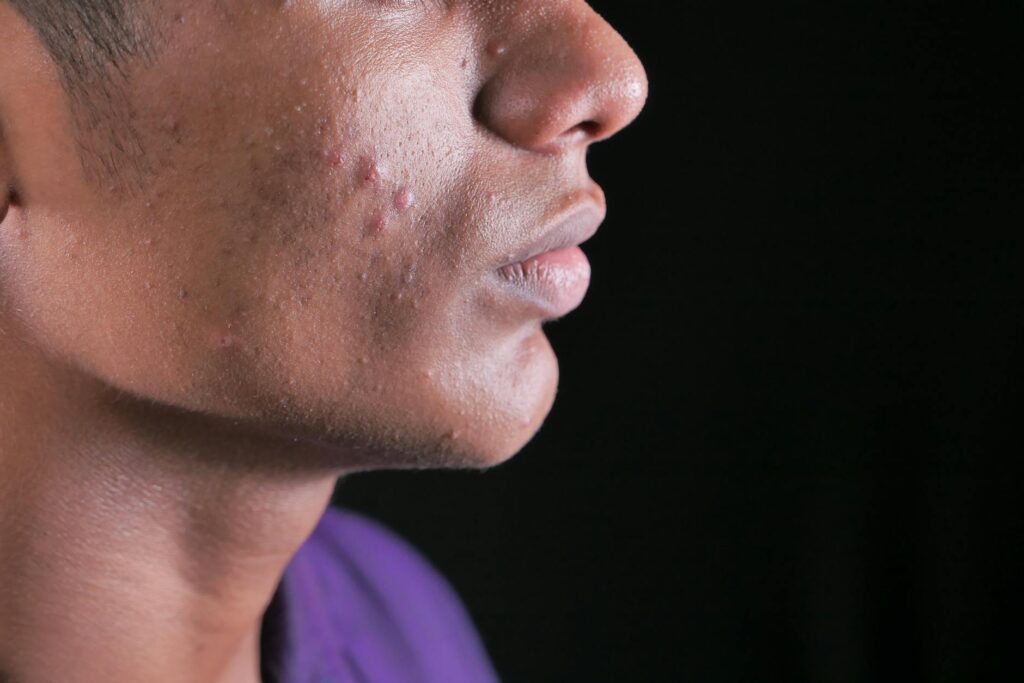
Iron deficiency does not directly cause acne. Despite widespread online speculation connecting low iron levels to breakouts, clinical research has found no significant relationship between iron deficiency anemia and acne vulgaris. A case-control study published in PMC showed that variations in serum iron concentrations between acne patients and healthy controls were statistically insignificant, meaning iron levels alone do not predict or cause acne development. If you have been diagnosed with iron deficiency and are experiencing breakouts, these are likely two separate health issues requiring different treatment approaches. What iron deficiency can cause, however, are skin symptoms that might be confused with or occur alongside acne.
These include itchy, bumpy rashes, pale or dull skin, and changes in skin texture. For example, someone with low iron might develop what dermatologists sometimes call an “anemia rash”””an itchy skin condition that becomes red, bumpy, and sore when scratched. This is distinctly different from acne, which involves clogged pores and bacterial overgrowth, but could be mistaken for breakouts by someone unfamiliar with the distinction. This article explores what the research actually says about iron and acne, clarifies which skin symptoms are genuinely linked to iron deficiency, examines why some severe acne patients test low for iron, and discusses which nutrient deficiencies have stronger connections to acne. Understanding these distinctions matters for getting appropriate treatment rather than chasing solutions that may not address your actual skin concern.
Table of Contents
- Does Low Iron Directly Cause Acne Breakouts?
- Why Severe Acne Patients Sometimes Have Low Iron Levels
- What Skin Symptoms Does Iron Deficiency Actually Cause?
- Which Nutrient Deficiencies Are Actually Linked to Acne?
- The Role of Iron in Immune Function and Skin Health
- When to Test Iron Levels and Seek Professional Guidance
- Conclusion
Does Low Iron Directly Cause Acne Breakouts?
The short answer is no. Research specifically examining whether iron deficiency causes acne has consistently failed to find a direct connection. Studies comparing serum iron levels in acne patients versus control groups without acne have shown no statistically significant differences. This means that having low iron does not increase your likelihood of developing acne, and correcting an iron deficiency will not resolve existing acne. A study on reproductive-age women with postadolescent acne is particularly instructive here. Researchers measured hemoglobin, vitamin B12, serum iron, ferritin, and total iron-binding capacity in women with acne compared to controls.
They found no significant differences in any of these markers between the two groups, and no correlation between these blood values and acne severity. This directly contradicts the popular notion that iron supplementation might help clear persistent adult acne. The confusion often arises because people with health issues tend to look for unified explanations. If you discover you have iron deficiency and also struggle with acne, it is natural to assume a connection. However, correlation in an individual case does not equal causation. Both conditions are common enough that they will frequently occur together by chance. Treating each condition according to evidence-based protocols””iron supplementation for deficiency, topical or oral acne medications for breakouts””remains the most effective approach.

Why Severe Acne Patients Sometimes Have Low Iron Levels
Here is where the relationship between iron and acne becomes genuinely interesting, though in the opposite direction from what most people assume. Research published in JAMA Dermatology found that 75% of patients with severe nodulocystic acne had low serum iron levels, and 25% had moderate anemia. At first glance, this seems to support a connection. However, investigators determined this was a consequence of severe acne, not a cause. Severe inflammatory acne creates a chronic inflammatory state in the body. This ongoing inflammation can suppress iron absorption and utilization, leading to what is called anemia of chronic disease or anemia of inflammation.
The key evidence for this interpretation came when patients were treated with isotretinoin. As their acne resolved, their iron and hemoglobin levels returned to normal without any iron supplementation. The inflammation was driving the low iron, not the other way around. This finding has important practical implications. If you have severe acne and discover you also have low iron, treating the acne itself may resolve the iron issue. Conversely, taking iron supplements without addressing the underlying inflammation from severe acne may not effectively raise your iron levels. This is a situation where working with a dermatologist to treat the primary condition””severe acne””can have beneficial downstream effects on other health markers.
What Skin Symptoms Does Iron Deficiency Actually Cause?
Iron deficiency does affect the skin, just not in ways that produce acne. Understanding these genuine iron-related skin changes helps distinguish them from acne and guides appropriate treatment. The most common skin manifestation is pallor””pale, dull, or ashy-looking skin caused by reduced red blood cells being supplied to skin tissue. This is particularly noticeable in people with lighter skin tones but can manifest as a grayish undertone in darker skin. The Cleveland Clinic describes what is sometimes called “anemia rash”””a form of pruritus or itchy skin that occurs with iron deficiency. When scratched, this itchy skin can become red, bumpy, and sore.
Unlike acne, which occurs in predictable patterns (face, chest, back) and involves comedones, this iron-related skin irritation can appear anywhere and lacks the characteristic whiteheads, blackheads, or pus-filled lesions of acne. Someone might mistake this bumpy, irritated skin for breakouts, particularly if they are unfamiliar with how acne actually presents. Iron also plays a critical role in collagen production. Deficiency may affect skin elasticity and overall skin health, potentially contributing to a dull, aged appearance. However, this collagen connection still does not translate to acne formation. Acne is a disease of the pilosebaceous unit involving excess sebum, abnormal keratinization, bacterial overgrowth, and inflammation. None of these mechanisms are directly influenced by iron status in a way that would cause or prevent breakouts.

Which Nutrient Deficiencies Are Actually Linked to Acne?
If iron deficiency does not cause acne, what deficiencies might? Research points to several nutrients with stronger connections to skin breakouts. A study found that 38.6% of acne vulgaris patients had vitamin B12 deficiency compared to control groups, suggesting this may be a more relevant deficiency to investigate if you suspect a nutritional component to your acne. Zinc deficiency has long been associated with acne, and zinc supplementation is sometimes used as part of acne treatment protocols. Vitamin A deficiency can affect keratinization and sebum production””two key factors in acne development. Vitamin D deficiency has been linked to acne in some studies, though results are mixed. Essential fatty acid imbalances may also play a role in inflammatory skin conditions including acne.
However, a word of caution applies here. Just because certain deficiencies are associated with acne does not mean supplementation will resolve everyone’s breakouts. Acne is a multifactorial condition influenced by genetics, hormones, skin care practices, diet, and other factors. Nutritional optimization may help some individuals but should not replace proven acne treatments. The comparison worth making is between zinc or vitamin D supplementation (some evidence of benefit for some people) versus iron supplementation for acne (no evidence of benefit). If you are going to explore nutritional approaches to acne, focus on nutrients with actual research support.
The Role of Iron in Immune Function and Skin Health
One indirect pathway through which iron could theoretically influence acne involves immune function. Iron is vital for proper immune system operation, including the ability to fight bacteria. Since Cutibacterium acnes (the bacterium implicated in acne) plays a role in breakout development, some have speculated that impaired immune function from iron deficiency might reduce the body’s ability to control this bacterial population. While this reasoning sounds plausible, clinical evidence does not support it as a significant factor in acne development. The immune dysfunction would need to be quite severe before bacterial overgrowth on the skin became unmanageable, and at that point, a person would likely have many other symptoms beyond acne. Iron deficiency sufficient to noticeably impair immune function typically presents with fatigue, weakness, frequent infections, and other systemic symptoms. The limitation here is important to recognize. Many nutrients affect immune function in various ways, but that does not make every deficiency a cause of acne. The body has redundant systems for managing skin bacteria, and mild to moderate iron deficiency is unlikely to overwhelm these defenses in a way that produces acne. If you have iron deficiency and acne, treating both conditions remains appropriate, but do not expect iron supplementation to clear your skin.
## How to Distinguish Iron-Related Skin Issues from Acne Differentiating between iron deficiency skin symptoms and acne requires attention to specific characteristics. Acne presents with comedones (blackheads and whiteheads), papules, pustules, and in severe cases, nodules and cysts. These lesions occur in areas with high concentrations of sebaceous glands””primarily the face, upper chest, and back. Acne lesions are not typically itchy, though they may be tender. Iron deficiency skin symptoms present differently. The “anemia rash” described by the Cleveland Clinic is characterized primarily by itching that leads to secondary irritation from scratching. The resulting bumps and redness occur as a consequence of the scratching rather than from clogged pores. Additionally, iron deficiency causes generalized skin changes like pallor and dullness that affect the entire body rather than concentrating in acne-prone zones. For example, a person with iron deficiency might notice that their skin looks unusually pale, feels itchy in various places, and develops irritated patches where they have scratched. This differs substantially from someone experiencing an acne flare, who would see new comedones and inflammatory lesions emerging in their T-zone, cheeks, or other typical locations without the generalized itching. If you are unsure which condition you have, a dermatologist can examine your skin and a blood test can evaluate your iron status, allowing for accurate diagnosis and appropriate treatment of each issue.
When to Test Iron Levels and Seek Professional Guidance
If you are experiencing skin symptoms and wondering about iron’s role, consider getting tested if you have other signs of iron deficiency. These include unexplained fatigue, weakness, shortness of breath during normal activities, pale skin overall, brittle nails, cold hands and feet, and unusual cravings for non-food items. Women with heavy menstrual periods, vegetarians, vegans, and people with conditions affecting nutrient absorption are at higher risk for iron deficiency.
For acne specifically, hormonal evaluation and dermatological assessment are more likely to yield actionable information than iron testing alone. Looking ahead, personalized nutrition based on individual blood work may become more common in acne treatment, but current evidence does not support routine iron testing for typical acne patients. The most effective approach remains combining proven topical and oral acne treatments with general health optimization, including correcting any nutrient deficiencies that happen to be present””not because they caused the acne, but because overall health supports skin health.
Conclusion
The evidence is clear that iron deficiency does not directly cause acne. While this connection is frequently suggested online and may seem logical given iron’s importance for skin health, clinical studies have found no significant relationship between iron levels and acne occurrence or severity. Cases where severe acne patients have low iron appear to result from the inflammatory nature of the acne itself rather than iron deficiency triggering breakouts.
Iron deficiency does cause skin symptoms worth recognizing””pallor, itchy rashes, and potentially reduced skin elasticity from impaired collagen production””but these are distinct from acne. If you are dealing with breakouts and wondering about underlying causes, nutrient deficiencies in zinc, vitamin A, vitamin D, or vitamin B12 have stronger research connections to acne than iron does. The most productive path forward involves treating acne with evidence-based dermatological approaches while separately addressing any iron deficiency through appropriate supplementation and dietary changes.