Hormonal Acne Without Hormonal Disorders
Hormonal acne is commonly associated with serious health conditions like polycystic ovary syndrome (PCOS) or thyroid disorders, but the reality is more nuanced. You can absolutely experience hormonal acne without having an underlying hormonal disorder. Understanding this distinction is important for anyone dealing with breakouts, as it changes how you approach treatment and what you should expect from your skin.
What Causes Hormonal Acne
Hormonal acne develops when androgens, which are male hormones present in all bodies, trigger sebaceous glands to produce excess oil. This excess sebum combines with dead skin cells and bacteria to clog pores, leading to inflammation and breakouts. The key point is that this process doesn’t require a disorder – it just requires hormonal fluctuations, which are completely normal.
Normal Hormonal Fluctuations vs. Disorders
The difference between normal hormonal changes and actual hormonal disorders is important. Many women experience acne during their menstrual cycles, pregnancy, or menopause without having any underlying condition. These are expected hormonal shifts that happen to most people. According to dermatologists, having hormonal acne during these natural life events doesn’t mean you have a hormonal imbalance – it simply means your body is experiencing the typical hormonal changes that come with these situations.
When Hormonal Acne Appears
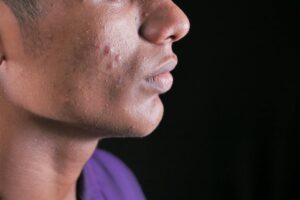
Hormonal acne typically shows up in specific areas. Women often see breakouts along the jawline, chin, and lower cheeks rather than across the forehead and nose. This pattern is actually a clue that hormones are involved, but again, it doesn’t indicate a disorder.
Common triggers for hormonal acne without any disorder include menstrual cycles, pregnancy, postpartum changes, and menopause. Birth control pills and intrauterine devices (IUDs) can also trigger hormonal acne as your body adjusts to these methods. Stress is another major factor – when you’re stressed, your body produces cortisol and other stress hormones that indirectly increase oil production and inflammation.
Diet and Lifestyle Factors
What you eat can influence hormonal acne even without a disorder present. Foods with a high glycemic index, dairy products, and sugary items may spike insulin levels and increase androgen activity. This doesn’t mean you have a metabolic disorder – it just means your skin is responding to these dietary choices. Similarly, poor sleep, high stress levels, and inconsistent skincare routines can all worsen hormonal acne without any underlying health condition being involved.
Skincare and External Factors
Sometimes what you put on your skin matters as much as what’s happening inside your body. Heavy makeup, pore-clogging moisturizers, and harsh cleansers can trigger or worsen acne. Using the wrong products or washing your face too aggressively can damage your skin barrier, causing your skin to produce more oil to compensate. These are external factors that have nothing to do with hormonal disorders.
When to See a Doctor
If you’re experiencing acne that seems tied to your menstrual cycle, pregnancy, or other expected hormonal changes, you likely don’t need extensive testing for hormonal disorders. However, if you’re dealing with acne when you’re not in an expected state of hormonal change – meaning acne that appears randomly throughout the month without any clear trigger – that might warrant a conversation with a dermatologist. They can help determine whether an underlying condition like PCOS or thyroid issues might be involved.
The Bottom Line
Hormonal acne is extremely common and can happen to anyone experiencing normal hormonal fluctuations. You don’t need a disorder to have hormonal acne. By understanding your triggers, adjusting your skincare routine, managing stress, and potentially modifying your diet, many people can improve their skin without ever discovering an underlying health condition. If your acne is severe or doesn’t respond to these approaches, that’s when professional evaluation becomes worthwhile.
Sources
https://www.medicaldaily.com/hormonal-acne-adults-acne-causes-skin-hormones-explained-474128
https://www.advanceddermatologypc.com/conditions/acne/
https://www.tuftsmedicine.org/about-us/news/acne-over-30
https://www.westchestercosmeticdermatology.com/blog/adult-acne-why-it-happens-and-how-to-treat-it/
https://www.allarahealth.com/blog/signs-of-hormone-imbalance-in-women
https://www.fivensondermatology.com/acne
https://www.newriverdermatology.com/blog/how-to-manage-hormonal-acne-during-menopause