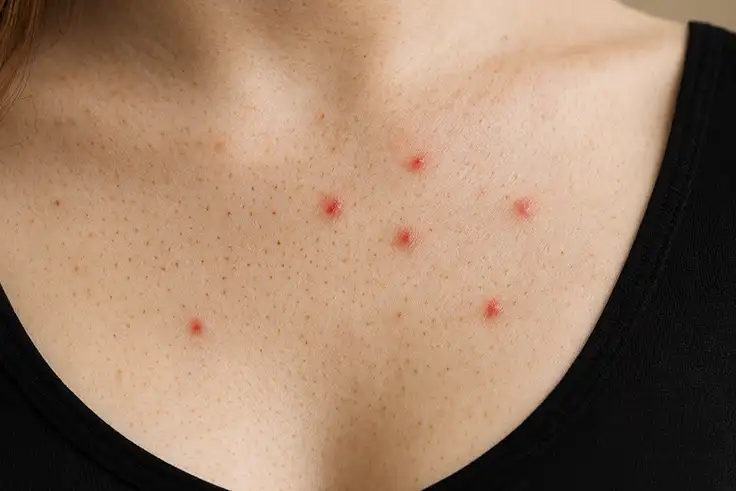
Can Chronic Stress Delay Acne Healing?
Stress does not just cause new acne spots. It can also make existing ones take longer to heal. When you feel stressed for a long time, your body releases more cortisol, a hormone that changes how your skin works.
Cortisol ramps up oil production in your skin glands. This extra oil mixes with dead skin cells and bacteria, clogging pores and keeping pimples around longer. Studies show medical students with high stress had worse acne that lasted more. The oil buildup leads to more inflammation, turning small spots into red, sore cysts that heal slowly.
Stress also harms your skin’s protective barrier. Cortisol weakens it, letting moisture escape and making skin dry under the oily surface. This dehydration slows repair because skin cells lack what they need to recover. Research points out that stressed skin repairs damage much slower than calm skin.
Your body shifts blood flow away from the skin during stress, starving cells of oxygen and nutrients. Immune cells pile up in the skin instead, sparking extra swelling and itching. This creates a loop: acne stresses you out more, which pumps out more cortisol, delaying healing even further.
One study found college students had 40 percent more breakouts during exams than on vacation. Adult stress acne often hits the jawline and cheeks, resists usual treatments, and sticks around because the root cause is inside your body, not just on the surface.
High cortisol breaks down collagen, the protein that keeps skin strong. Less collagen means thinner skin that scars easier from acne. Poor sleep from stress cuts ceramide production too, another barrier helper, so spots stay irritated.
The effect builds over time with chronic stress from work, anxiety, or big life changes. Quick stress might spark a pimple, but ongoing pressure keeps it from fading fast.
Sources:
https://consciouschemist.com/blogs/good-skin-blog/stress-acne-is-real-here-s-how-to-treat-and-calm-it-fast
https://www.mollenol.com/q-a/stress-impact-on-skin-symptoms-causes-relief-and-care/
https://www.latimes.com/doctors-scientists/medicine/primary-care/story/cortisol-face-common-causes-myths-diagnosis-treatments
https://www.mindbodygreen.com/articles/6-things-stress-and-poor-sleep-can-do-to-your-skin-from-top-derm-hannah-frye
https://onekind.us/en-ca/blogs/skin-school/stressed-out-skin-how-stress-impacts-your-skin-health-and-what-you-can-do-about-it
https://www.westchestercosmeticdermatology.com/blog/adult-acne-why-it-happens-and-how-to-treat-it/
https://pmc.ncbi.nlm.nih.gov/articles/PMC12729506/