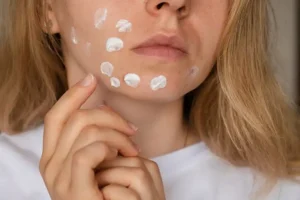
Hormonal acne can be stubborn, painful, and frustrating, especially when it keeps returning around your period or during big hormone shifts like coming off birth control or after pregnancy. For many women, birth control pills are one of the treatment options that can help bring this type of acne under control.
How birth control pills affect hormones and acne
Hormonal acne is strongly linked to androgens, which are hormones like testosterone that increase oil production in the skin. Extra oil mixes with dead skin cells, clogs pores, and creates a perfect setting for pimples, blackheads, and deep cystic bumps.
Combined birth control pills contain two hormones: estrogen and progestin. Together, they change the way your ovaries and other glands produce hormones. Research shows that these pills can:
• Lower the amount of androgens made by the ovaries
• Increase a protein in the blood called sex hormone binding globulin, which ties up free testosterone so it cannot act on the skin
• Reduce the conversion of testosterone to its stronger form in the oil glands
• Overall, reduce the activity of androgens on the skin
When androgen activity drops, oil production in the skin usually goes down. With less oil, pores are less likely to clog, and over time this can lead to fewer breakouts and less redness.
Types of birth control that can help acne
Not every birth control pill works the same way for acne. The two main categories are:
• Combined oral contraceptives
• Progestin only pills
Combined pills contain both estrogen and progestin. These are the types most often used to treat acne. Large studies have found that a variety of combined pills can reduce both inflammatory acne (red pimples, cysts) and non inflammatory acne (blackheads, whiteheads). Some brands are approved specifically for acne treatment, but even many others in the same category can still help.
Among combined pills, some progestins have more anti androgen, or acne friendly, effects than others. Certain newer progestins are designed to counter the effects of androgens more strongly, and some studies suggest they may be slightly better for acne. However, many combined pills appear helpful overall, and the “best” one can depend on your health history and how you tolerate side effects.
Progestin only pills do not contain estrogen. Because they lack estrogen’s balancing effect, they are less likely to improve acne and may even worsen it in some people, especially if the progestin used has more androgen like activity. These pills are usually chosen for people who cannot safely take estrogen for other medical reasons, not primarily for acne control.
How long it takes to see a difference
Birth control pills do not clear acne overnight. The hormones work from the inside, slowly changing the balance of androgens and oil production. Many people notice early changes in their skin within a couple of months, but clearer, more consistent results often take 3 to 6 months.
This delay happens because:
• Hormone levels need time to stabilize
• Oil production in the glands gradually decreases
• Existing clogged pores and deeper lesions need time to heal
For this reason, dermatologists often suggest using birth control pills along with topical treatments, such as benzoyl peroxide or retinoids, especially during the first few months. The topical products can target existing pimples while the pill works on the hormonal triggers in the background.
Who might be a good candidate for birth control pills for acne
Birth control pills are generally considered for acne in women and people assigned female at birth who:
• Have clear patterns of hormonal acne, such as flares around the menstrual cycle or jawline focused breakouts
• Want reliable contraception in addition to acne treatment
• Have tried topical treatments and possibly oral antibiotics but still have persistent breakouts
• Do not have medical conditions that make estrogen containing pills unsafe
Hormonal acne often shows up as deep, sore pimples along the jawline, chin, lower cheeks, or neck. It may worsen before a period and improve afterward. In adults who keep breaking out well past the teen years, especially women in their 20s, 30s, or 40s, hormonal causes are very common. In these cases, birth control pills can be a logical part of the treatment plan.
Who should be cautious or avoid them
Birth control pills are prescription medications and are not suitable for everyone. Your clinician will review your health history to look for risks. Combined pills that contain estrogen may not be appropriate if you:
• Have a history of blood clots, certain clotting disorders, or stroke
• Have some types of migraine, especially migraine with aura
• Are a smoker over a certain age
• Have uncontrolled high blood pressure or certain heart conditions
• Have some types of liver disease or certain cancers that are hormone sensitive
In these situations, other acne treatments may be safer, such as topical medications, oral antibiotics for short term use, or non contraceptive hormonal treatments like spironolactone. Spironolactone also reduces androgen effects in the skin but is not a contraceptive and must be used alongside a reliable birth control method if pregnancy is possible.
Possible side effects to be aware of
While many people tolerate birth control pills well, they can cause side effects, especially in the first few months. Common ones include:
• Nausea or mild stomach upset
• Breast tenderness or swelling
• Light spotting between periods
• Changes in mood or sex drive
• Mild headaches
• Changes in menstrual flow or timing
These often improve as your body adjusts. However, any severe pain in the chest, leg, or head, or sudden shortness of breath, vision changes, or severe headaches require urgent medical attention, as they can be warning signs of rare but serious complications such as blood clots.
Some people may notice a temporary flare in acne when starting or changing a pill, especially if switching from a more androgen friendly formula to one that is less so or vice versa. This usually settles as hormone levels stabilize, but if acne keeps getting worse, your clinician may suggest switching to a different pill or a different treatment approach.
How birth control pills compare with other hormonal acne treatments
For women with moderate to severe hormonal acne, birth control pills are often considered along with other hormonal options, especially spironolactone. Both work by reducing the effect of androgens on the skin, but in different ways.
Birth control pills:
• Regulate menstrual cycles
• Provide contraception
• Lower androgen levels and increase binding proteins in the blood
• Are taken in a fixed daily schedule, usually with a monthly bleed or sometimes in extended cycle regimens
Spironolactone:
• Is not a contraceptive
• Directly blocks androgen receptors and reduces androgen production
• Is often combined with birth control pills to boost acne control and prevent irregular bleeding
• Can be adjusted in dose based on response and side effects
Your provider may suggest birth control pills alone, spironolactone alone, or a combination of the two, along with topical medicines, depending on your acne pattern and your need for contraception.
What to expect when starting or stopping the pill
When starting a pill for acne, it helps to have realistic expectations:
• Improvement is gradual, not instant
• Your skin may go through an adjustmen
Expert Insight
This article was reviewed by skincare professionals who specialize in acne treatment and skin health. The information provided is based on current dermatological research and clinical best practices.