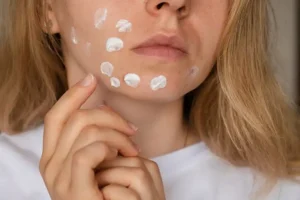
Finding a moisturizer that works for acne prone sensitive skin can feel confusing. You want hydration without greasiness, comfort without burning or redness, and ingredients that help your skin instead of starting a new breakout. The goal is to support your skin barrier, keep pores clear, and calm irritation at the same time.
What acne prone sensitive skin really needs
If your skin is both breakout prone and reactive, it usually means your barrier is easily damaged. A weak barrier lets water escape and irritants get in. This can show up as tightness, stinging when you apply products, flaky patches around active blemishes, and pimples that take a long time to heal. A good moisturizer should help rebuild that barrier, not strip it further.
Three things matter most:
1. Gentle, non irritating formula
You want a moisturizer that is free of common triggers for sensitive, acne prone skin. These often include heavy fragrance, strong drying alcohols, and thick, waxy oils that sit on top of the skin. Instead, look for products described as suitable for sensitive skin or tested by dermatologists. A simple ingredient list is usually easier for reactive skin to handle.
2. Non comedogenic and oil free or low oil
Non comedogenic means the formula is designed not to clog pores. Many moisturizers that are made for acne prone skin will clearly state that they are oil free, lightweight, or non comedogenic. They usually have a gel or light lotion texture that sinks in quickly instead of leaving a heavy film on the surface.
3. Barrier supporting ingredients
Acne care often focuses on “drying out” blemishes, but sensitive skin needs moisture to stay healthy. Ingredients that help the barrier include:
Ceramides
These are natural lipids that fill the spaces between skin cells, like mortar between bricks. Using them in a moisturizer helps reduce dryness and strengthens the skin’s defense.
Hyaluronic acid and glycerin
These pull water into the outer layers of skin and hold it there. They are helpful when your skin feels tight or dehydrated but still gets oily during the day.
Niacinamide
This is a soothing ingredient that can reduce redness, help balance oil, and support the skin barrier over time. It is often well tolerated by sensitive, acne prone skin in low to moderate amounts.
Panthenol (pro vitamin B5)
Panthenol can help calm irritation and support healing. For skin with active pimples, it can be a nice addition because it hydrates and soothes at the same time.
Lightweight moisturizers that also fight acne
Some moisturizers made for acne prone skin include a low dose of an active ingredient used to treat pimples, such as salicylic acid. Salicylic acid is an oil soluble exfoliant that helps keep pores clear and reduce blackheads and whiteheads. When used inside a moisturizer, it is usually combined with hydrating ingredients like pro vitamin B5 to lower the risk of over drying the skin. This type of product can work well if your skin tends to be oily and you prefer a single step that both treats and moisturizes.
If you try a moisturizer with salicylic acid or other active ingredients, start slowly. Apply it once a day or every other day at first. If your skin gets flaky, tight, or more red, you may need to switch to a plain hydrating moisturizer and use active treatments separately in smaller amounts.
Helpful textures for acne prone sensitive skin
The texture of a moisturizer can make a big difference in how your skin reacts.
Gel moisturizers
These are water based and usually feel cool and light. They are good for very oily skin that still feels dehydrated. Many gel moisturizers are oil free and absorb fast without shine.
Light lotions
Lotions are a bit more creamy than gels but still lightweight. They are a good middle ground for combination or easily irritated skin, giving enough moisture without feeling heavy.
Creams
Thicker creams are best only if your skin is dry and flaky everywhere and still sensitive. Many acne prone people find rich creams too occlusive for daily use on the whole face. They can sometimes be used just on dry patches or at night around the eyes or mouth.
Ingredients to be careful with
Everyone’s skin is different, but acne prone sensitive skin tends to react to some things more than others.
Fragrance
Added scent, even if it smells nice, can cause stinging or redness in sensitive skin. Unscented or fragrance free formulas are usually safer choices for daily use.
Heavy plant butters and certain oils
Ingredients like cocoa butter or thick, waxy oils can be too rich and may clog pores on acne prone faces. Some lighter oils are less likely to clog pores, but if your skin is very reactive, it is often simpler to stick with clearly labeled non comedogenic options.
Harsh exfoliants
Strong scrubs or high strength acids can damage the barrier and make sensitivity worse. If you are already using an acne treatment like a retinoid, benzoyl peroxide, or salicylic acid, your moisturizer should be calming, not exfoliating.
How to choose the best moisturizer for you
Because skin is personal, there is no single product that works for everyone. Instead, use a few guidelines when reading labels and testing moisturizers.
Check the claims
Look for words like “for acne prone skin,” “non comedogenic,” “oil free,” and “suitable for sensitive skin.” Products that combine these claims are often designed to hydrate without clogging pores or causing irritation.
Look at the first few ingredients
Water, glycerin, and other humectants are common near the top of the list in lightweight moisturizers. This is a good sign for acne prone skin. If you see a long list of heavy oils near the top, the formula may be too rich for everyday use on breakout prone areas.
Patch test first
Before putting a new moisturizer all over your face, try it for several days on a small area, such as one side of the jaw or forehead. This helps you catch any stinging, redness, or breakouts early.
Match your moisturizer to your other products
If you are using strong acne treatments, your moisturizer should focus on calming and hydrating. If your routine is very gentle and simple, a moisturizer that includes a mild acne fighting ingredient like low strength salicylic acid may be helpful.
Morning versus night
Many people with acne prone sensitive skin do well with a very light moisturizer in the morning and a slightly richer one at night.
In the morning
Choose something light and non greasy that layers well under sunscreen. Hydration plus sun protection can reduce post acne marks and irritation. Often, a simple gel or lotion is enough.
At night
Skin works on repair while you sleep. A nighttime moisturizer for sensitive, acne prone skin can be a bit more soothing, with barrier supporting ingredients like ceramides, panthenol, and niacinamide. If your acne treatment is drying, apply your moisturizer after the treatment has absorbed to reduce irritation.
Signs your moisturizer is working
Within a few weeks of regular use, a good moisturizer for acne prone sensitive skin should give you:
• Les
Expert Insight
This article was reviewed by skincare professionals who specialize in acne treatment and skin health. The information provided is based on current dermatological research and clinical best practices.