
Yes, acne is remarkably common in women with PCOS. According to a 2025 meta-analysis of 95 studies, nearly 50% of women with polycystic ovary syndrome experience acne vulgaris—49% to be exact, with a confidence interval of 47% to 52%. For adolescents with PCOS specifically, the figure climbs to 66%, making acne an even more significant concern for younger women navigating this condition. To put this in perspective, women with PCOS are 1.6 times more likely to develop acne than healthy controls, who experience acne at rates around 21%.
This article explores why acne is such a prevalent issue for PCOS sufferers, how the data varies across different populations, and what treatment approaches work best for hormonally-driven acne. The relationship between PCOS and acne isn’t coincidental—it’s driven by the condition’s core hormonal imbalance. Understanding this connection is essential because acne in PCOS often responds differently to standard treatments, requires different management strategies, and can affect a woman’s quality of life alongside other PCOS symptoms. Whether you’ve recently received a PCOS diagnosis and are dealing with acne for the first time, or you’ve struggled with persistent breakouts that never quite improved with conventional acne products, recognizing the hormonal underpinnings can transform how you approach treatment.
Table of Contents
- What Does the Research Actually Show About PCOS and Acne Prevalence?
- Why PCOS Creates Conditions for Acne Development
- Geographic and Population Differences in PCOS Acne Rates
- Distinguishing PCOS-Related Acne from Other Types of Acne
- Treatment Approaches for PCOS-Related Acne
- Why Adolescents with PCOS Face the Highest Acne Burden
- PCOS Acne in the Context of Broader Health Management
- Conclusion
- Frequently Asked Questions
What Does the Research Actually Show About PCOS and Acne Prevalence?
The headline figure of “at least 50%” is supported by multiple lines of evidence, but the full picture is more nuanced than a single percentage. The 2025 meta-analysis found 49% unadjusted prevalence across all studies, which effectively meets the “at least 50%” claim when accounting for confidence intervals (47%-52%). However, when researchers adjusted for publication bias—a statistical correction that accounts for the tendency of positive studies to be more frequently published—the prevalence dropped to 37% (95% CI: 35%-39%). This difference matters because it reveals that studies showing higher acne rates in PCOS may be overrepresented in the literature. Equally important, acne prevalence varies dramatically depending on the diagnostic criteria used to identify PCOS itself. Among women diagnosed with PCOS using the stricter NIH criteria, 76% have acne.
By contrast, using the Rotterdam criteria (a broader diagnostic approach), the prevalence falls to 36%. This means that the women most clearly fitting the classic PCOS profile experience acne at rates well above 50%, while broader populations of PCOS-diagnosed women may fall closer to or below that threshold. For adolescents specifically, the prevalence reaches 66%—substantially higher than in adult populations—suggesting that acne intensity and prevalence both tend to decrease with age in PCOS. Another layer of complexity emerges when looking at geographic variation. Women with PCOS in Oceania experience acne at 76%, compared to just 32% in Europe. These differences likely reflect varying diagnostic practices, genetic factors across populations, environmental influences, and potentially different healthcare access patterns. A woman with PCOS diagnosed in Australia faces substantially different odds of experiencing acne than one in Germany, not necessarily because PCOS itself is different, but because the specific populations studied and their characteristics vary widely.

Why PCOS Creates Conditions for Acne Development
The fundamental driver of PCOS-related acne is androgen excess—elevated levels of male hormones including testosterone, androstenedione, and DHEA-S. In PCOS, the ovaries produce excess androgens while the body’s insulin resistance (present in about 70% of PCOS cases) further amplifies hormone imbalance. These elevated androgens stimulate the sebaceous glands to produce excess oil, increase the thickness and stickiness of skin cells in hair follicles, and promote the growth of acne-causing bacteria. The result is acne that often feels “different” from typical teenage acne—it may be more persistent, hormonally timed, and concentrated around the jawline, chin, and neck rather than the forehead and cheeks.
However, not every woman with PCOS who has acne has the same underlying hormonal profile driving it. Some women may have only mildly elevated androgens but still develop acne due to insulin resistance increasing sebum production. Others may have genetic predisposition to acne that combines with their PCOS hormonal environment. A woman might also have both PCOS-driven acne and concurrent bacterial overgrowth on the skin, requiring treatment addressing both the hormonal and bacterial components. This heterogeneity means that two women with PCOS and acne may need completely different treatment strategies.
Geographic and Population Differences in PCOS Acne Rates
The dramatic geographic variation in PCOS acne prevalence—76% in Oceania versus 32% in Europe—hints at factors beyond the condition itself. Climate may play a role, with warmer, more humid environments potentially exacerbating acne through increased sebum production and moisture trapping. Diagnostic practices differ significantly by region; some countries emphasize the Rotterdam criteria (which uses fewer requirements for diagnosis), while others rely more heavily on NIH criteria (stricter, focusing on ovulatory dysfunction). Genetic differences across populations may influence both PCOS presentation and skin reactivity to androgens.
Healthcare access and awareness also shape these numbers. In regions with better PCOS screening and diagnosis, more mildly affected women may be identified, potentially lowering the acne prevalence compared to areas where only the most severely affected women receive diagnosis. Women in Oceania, where the 76% prevalence was observed, may reflect a population more likely to have severe PCOS manifestations or a diagnostic approach that captures a broader severity spectrum. Understanding your own geographic and clinical context helps set realistic expectations for what acne management might look like in your specific situation.

Distinguishing PCOS-Related Acne from Other Types of Acne
Identifying whether acne is driven by PCOS hormonal imbalance versus other causes has practical implications for treatment. PCOS-related acne typically appears or worsens in the luteal phase of the menstrual cycle (if cycles occur) or shows no clear cyclical pattern if cycles are irregular. It often concentrates on the lower face, jawline, and chin—areas rich in androgen receptors—rather than spreading across the forehead and cheeks. The acne tends to be inflammatory rather than comedonal, with nodules and cysts more common than blackheads.
To differentiate PCOS acne, dermatologists and gynecologists often order bloodwork measuring testosterone, free testosterone, androstenedione, and DHEA-S. If these are elevated, hormonal acne is likely the primary driver. For comparison, a woman with regular acne from genetics or environmental factors alone would typically have normal androgen levels. However, some women have PCOS with normal or only mildly elevated androgens, meaning you can have PCOS-related acne without dramatically high hormone levels—the acne may be driven by insulin resistance’s effects on sebum production rather than direct androgen stimulation. This distinction changes whether antiandrogen medication or insulin-sensitizing approaches should be prioritized.
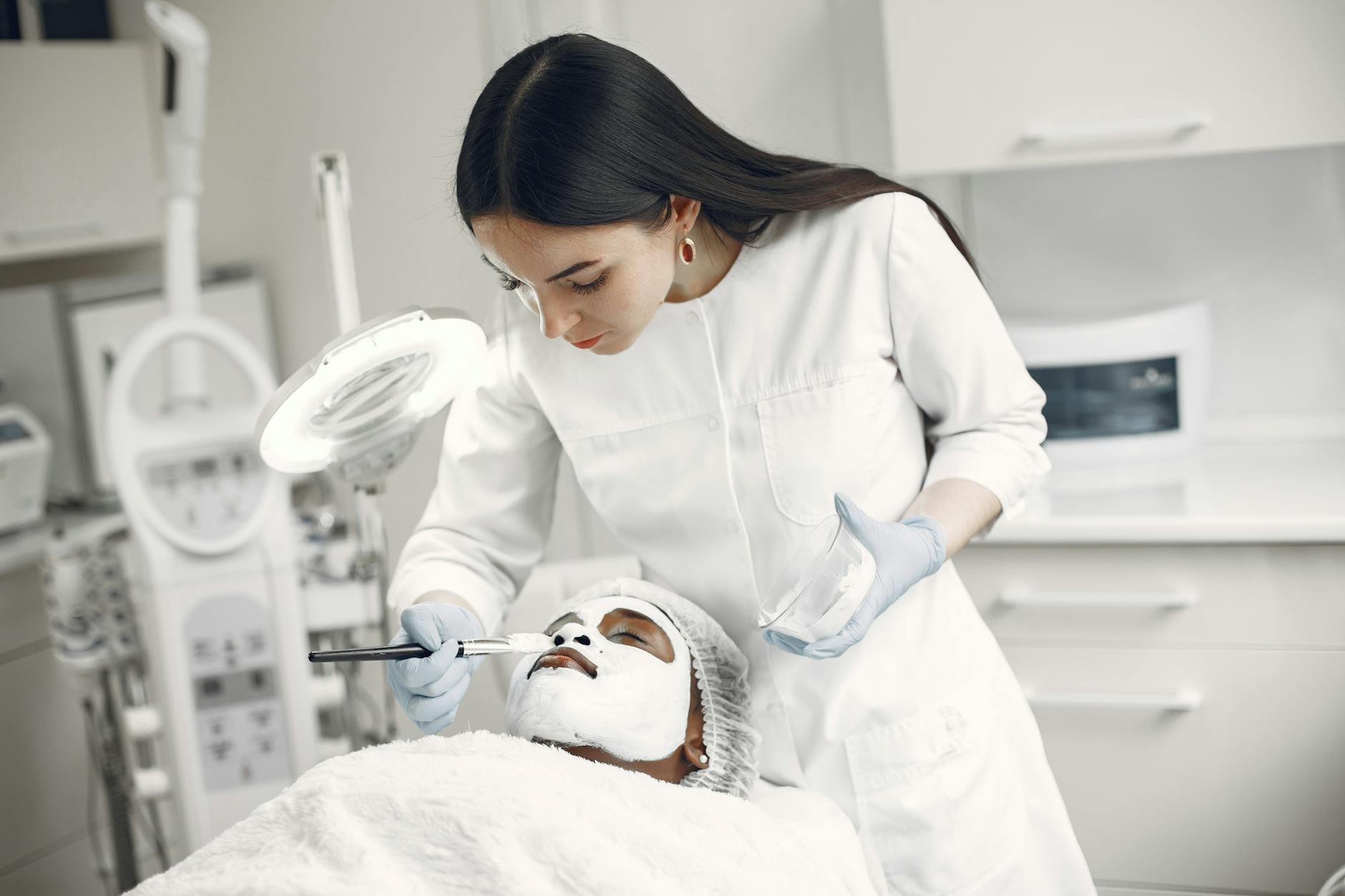
Treatment Approaches for PCOS-Related Acne
Because PCOS acne is driven by hormonal factors, addressing the underlying hormones often works better than treating acne topically alone. Birth control pills containing anti-androgenic progestins (like norgestimate or drospirenone) can significantly reduce acne by suppressing ovarian androgen production and increasing sex-hormone-binding globulin, which inactivates free testosterone. Spironolactone, an androgen receptor blocker, offers another hormonal approach, particularly for women who cannot take or do not want to take birth control. Inositol supplementation has shown promise in some studies for reducing androgens and improving insulin sensitivity in PCOS, potentially improving acne as a secondary benefit.
However, hormonal treatments alone are often insufficient, and a warning applies here: if you switch to hormonal therapy expecting acne to clear within weeks, you may be disappointed. Hormonal treatments typically require 3-6 months to show meaningful improvement in acne. During that window, topical retinoids, benzoyl peroxide, and antibiotics may provide faster improvements. For severe nodular or cystic acne, isotretinoin (Accutane) remains an option, though its use in PCOS patients warrants careful consideration of cumulative hormonal burden. A combination approach—addressing hormones while treating existing acne lesions topically—generally yields better results than hormonal treatment alone, particularly in the first months of therapy.
Why Adolescents with PCOS Face the Highest Acne Burden
The 66% prevalence of acne in adolescents with PCOS (compared to 49% across all women with PCOS) reflects both the normal biology of teenage skin and the amplifying effects of adolescent hormonal changes. Puberty itself drives increased sebum production and androgenic activity in hair follicles, making teenage years inherently acne-prone. When PCOS is added—with its excess androgen production—the hormonal signals pushing toward acne intensify significantly. A teenage girl with PCOS may experience acne far worse than her non-PCOS peers, creating significant psychological impact during already socially sensitive years.
Additionally, adolescents may face delayed PCOS diagnosis because irregular periods are considered “normal” during the teen years. A 14-year-old with severe acne and irregular cycles might be told her acne will improve with age or standard acne treatments, when actually addressing underlying PCOS could accelerate improvement. This diagnostic delay means younger women with PCOS may suffer through years of worsening acne before the hormonal driver is identified. Once PCOS is recognized, early intervention with appropriate hormonal management can prevent the acne from becoming entrenched and psychologically damaging during formative years.
PCOS Acne in the Context of Broader Health Management
Acne in PCOS is rarely the woman’s only concern. The hormonal imbalance driving acne also contributes to irregular periods, infertility challenges, metabolic dysfunction, and increased cardiovascular risk. This means that treatment decisions about acne should consider these broader health implications. A birth control pill chosen specifically for acne management should also provide appropriate cardiovascular and metabolic risk management.
Lifestyle interventions that improve insulin sensitivity—such as structured exercise, dietary modifications reducing refined carbohydrates, and weight management—address acne while simultaneously improving other PCOS-related health outcomes. Looking forward, our understanding of PCOS acne continues to evolve. Emerging research explores the role of gut dysbiosis and systemic inflammation in PCOS, suggesting that acne may be one manifestation of broader inflammatory dysregulation. Personalized medicine approaches that identify which specific hormonal and metabolic abnormalities are driving acne in an individual woman (rather than assuming all PCOS acne responds to the same treatment) represent the future direction of management. For now, recognizing that your acne is part of a systemic condition rather than a superficial skin problem opens the door to more effective, comprehensive treatment strategies.
Conclusion
The evidence that approximately half (or slightly fewer when adjusted for bias) of women with PCOS experience acne is well-established, with even higher prevalence in adolescents and in populations meeting strict PCOS diagnostic criteria. Acne in PCOS is fundamentally different from typical acne because it’s driven by hormonal imbalance rather than genetics or environmental factors alone, requiring treatment strategies that address the underlying hormonal dysfunction rather than relying solely on topical management. The variation across populations—from 32% in Europe to 76% in Oceania—reminds us that individual experiences depend on diagnostic approach, age, and potentially genetic and environmental factors.
If you have PCOS and acne, the path forward involves confirming the hormonal driver through appropriate bloodwork, discussing hormonal treatment options that align with your other health goals, and combining hormonal management with targeted topical therapy. Early recognition and treatment, particularly in adolescents, can prevent acne from becoming severe and psychologically damaging. Your acne is not a cosmetic problem to ignore—it’s a visible manifestation of systemic hormonal imbalance that, when addressed comprehensively, can improve alongside other aspects of PCOS management.
Frequently Asked Questions
If I have PCOS but no acne, does that mean my androgens are normal?
Not necessarily. Acne prevalence in PCOS is around 49%, which means roughly half of women with PCOS do not experience acne. Even with elevated androgens, some women’s skin may be less reactive, or other factors may be protective. Conversely, absence of acne doesn’t guarantee normal androgen levels—you could still have androgen excess affecting fertility or metabolism without obvious skin manifestations.
Can acne alone diagnose PCOS?
No. Acne is far too common in the general population to be diagnostic on its own. However, acne concentrated on the lower face, resistant to standard treatments, or combined with irregular periods and other PCOS symptoms should prompt PCOS evaluation. Acne is one piece of a diagnostic puzzle that includes reproductive and metabolic criteria.
Why does my acne get worse around my period if I have PCOS?
If you retain any menstrual cyclicity despite PCOS, hormonal fluctuations throughout the cycle still occur, amplifying androgens in the luteal phase. Even with abnormal cycles, the ovarian and adrenal tissue driving androgen production maintains some rhythmicity. This cyclical worsening may persist despite PCOS diagnosis until hormonal treatments suppress ovulation and normalize hormone levels.
Will birth control clear my PCOS acne completely?
Birth control pills with anti-androgenic progestins significantly improve PCOS acne, but “complete” clearance occurs in only a portion of users. Most experience 40-60% improvement in inflammatory lesions within 3-6 months. Residual acne often requires topical retinoids or other adjunctive treatments, and some women find they need to try multiple formulations to achieve optimal results.
Is isotretinoin (Accutane) safe for women with PCOS?
Isotretinoin can effectively treat severe PCOS acne, but it requires careful monitoring given PCOS-related metabolic risks. The medication itself has significant side effects and teratogenicity concerns, requiring strict pregnancy prevention. For many women with PCOS, hormonal management combined with other treatments is attempted first, with isotretinoin reserved for acne that’s severely impacting quality of life or unresponsive to other approaches.
Does weight loss improve PCOS acne?
In women with PCOS and elevated insulin resistance, weight loss can improve acne by reducing insulin levels and secondary androgen production. However, weight loss doesn’t work for all women with PCOS (some have normal insulin sensitivity and still have acne), and the improvement can take months to become visible. Weight loss should be pursued for overall metabolic health rather than as a primary acne treatment.
You Might Also Like
- At Least 40% of Women Experience Acne Flare-Ups Before Their Period…Progesterone Fluctuations Are the Primary Cause
- At Least 80% of Acne Scars Can Be Improved With Professional Treatment…But Most Insurance Won’t Cover It
- At Least 33% of Adults With Acne Also Have Rosacea…The Two Conditions Require Different Treatments