Are Stem Cell Serums Regulated?
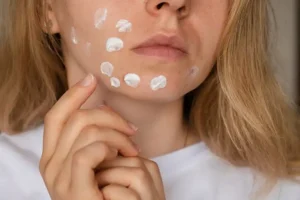
Stem cell serums are topical skincare products that claim to use stem cell technology to boost skin health and healing. These serums often come from labs processing stem cells into extracts like secretomes or exosomes for use after treatments such as microneedling. People apply them directly to the face or scalp to speed up recovery or promote hair growth.[1]
In the United States, the Food and Drug Administration oversees these products, but regulation depends on what they contain and how they are made. Full stem cell therapies, where cells are taken out of the body, grown, and put back in, count as biologic drugs. The FDA treats them like medicines needing years of clinical trials to check safety and results. Only a few have approval, mostly for serious illnesses like blood cancers or immune problems, not for beauty routines.[1][2]
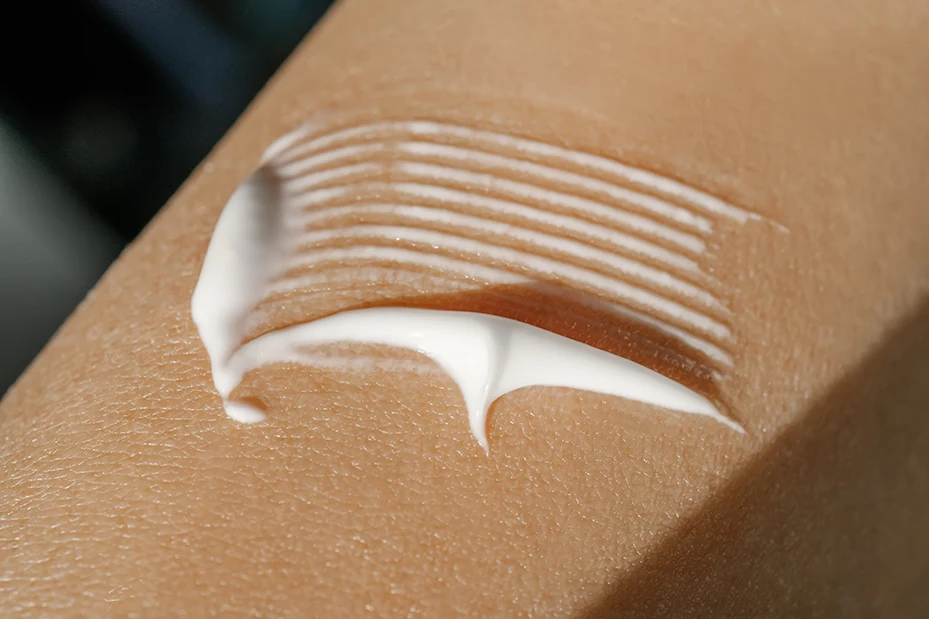
Topical serums differ because they stay on the skin and do not involve injecting live cells. Cosmetics like these face lighter rules. The FDA watches for safety and correct labeling but does not test or approve them before sale. Makers must ensure no harm and truthful claims, yet many stem cell serums hit the market without full FDA review.[6]
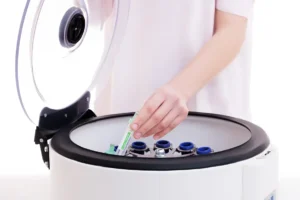
Some clinics offer custom serums from a patient’s own hair follicles. They send samples to a lab, process them into secretomes, and ship back a serum for personal use. These avoid some drug rules since they use the person’s own cells and skip big changes in a lab. Still, the FDA stays cautious about risks like contamination or unexpected growth if cells act up.[1]
Exosomes in serums, tiny packets from stem cells, follow similar paths. Good providers source them from FDA-regulated labs with strict purity checks to cut contamination risks. But not all products meet these standards, so quality varies by brand and maker.[5]
Devices paired with serums, like microneedling tools, have their own FDA paths. Low-risk ones get quick clearance if like existing products, while high-risk need full approval with trials.[3]
Overall, stem cell serums live in a gray area. Research grows fast, but tight rules protect against side effects until more proof shows they work well for skin care.
Sources
https://thepuristonline.com/2025/12/future-focused-aesthetics/
https://www.oncologynewscentral.com/drugs/info/fda-approves-first-cellular-therapy-for-severe-aplastic-anemia
https://www.dermascope.com/safety-net-understanding-fda-approval-for-devices/
https://www.onclive.com/view/fda-approves-narsoplimab-hematopoietic-stem-cell-transplant-associated-thrombotic-microangiopathy
https://stemcellmia.com/microneedling-exosomes-side-effects/
https://www.fda.gov/media/190319/download?attachment