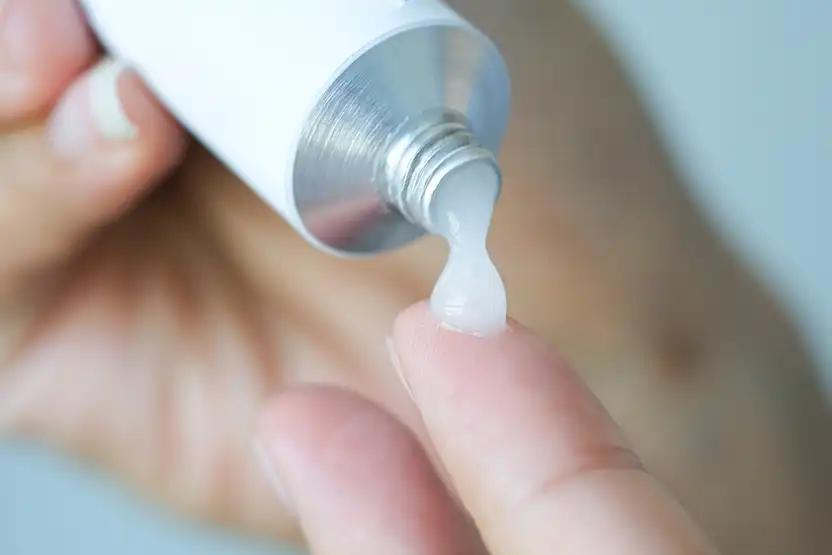
Peptides and retinol are often compared because both promise smoother, firmer, healthier-looking skin. They work very differently, though. Whether peptides are “better” than retinol depends on what your skin needs, how sensitive it is, and what results you are aiming for.
Let’s break it down in a clear, science-backed way.
What Peptides Do for Your Skin
Peptides are short chains of amino acids. Think of them as messengers. When applied to the skin, certain peptides signal skin cells to support collagen production, improve elasticity, and strengthen the skin barrier.
Unlike aggressive actives, peptides do not force rapid cell turnover. Instead, they support the skin’s natural repair and maintenance processes.
Benefits of peptides
-
Help support collagen and elastin
-
Improve skin firmness over time
-
Strengthen the skin barrier
-
Reduce the appearance of fine lines gradually
-
Suitable for sensitive and reactive skin
-
Safe for daily use, even morning and night
Peptides are especially helpful if your skin barrier is compromised or if you experience irritation easily.
What Retinol Does for Your Skin
Retinol is a vitamin A derivative and one of the most studied skincare ingredients. It works by increasing cell turnover and stimulating collagen production deeper in the skin.
Retinol is powerful, but it is also demanding. It pushes skin to renew faster, which is why it delivers visible results but often comes with side effects.
Benefits of retinol
-
Reduces fine lines and wrinkles
-
Improves skin texture and tone
-
Helps unclog pores
-
Supports long-term collagen production
-
Effective for acne-prone and aging skin
Because retinol speeds up cell turnover, it can cause dryness, peeling, redness, and sensitivity, especially in the early stages.
Peptides vs Retinol: Key Differences
Peptides focus on communication and support. Retinol focuses on stimulation and renewal.
Peptides work gently and gradually. Retinol works aggressively and faster.
Peptides protect and strengthen the skin barrier. Retinol can temporarily weaken the barrier while skin adjusts.
Peptides are low risk and low irritation. Retinol requires careful use, sun protection, and patience.
Are Peptides Better Than Retinol?
Peptides are not “better” in an absolute sense. They are better for certain skin types and situations.
Peptides may be the better choice if:
-
You have sensitive or reactive skin
-
You struggle with dryness or barrier damage
-
You want anti-aging benefits without irritation
-
You are pregnant or breastfeeding
-
You prefer a low-maintenance routine
Retinol may be the better choice if:
-
You want stronger wrinkle reduction
-
You are targeting acne and clogged pores
-
Your skin tolerates active ingredients well
-
You are committed to nighttime use and sunscreen
Can You Use Peptides and Retinol Together?
Yes, and this is often the smartest approach.
Peptides can help buffer retinol’s irritation and support barrier repair. Many dermatologists recommend using retinol at night and peptides in the morning.
You can also layer them carefully in the same routine if your skin tolerates it.
How to use them together
-
Evening: Cleanse, apply retinol, follow with a peptide moisturizer
-
Morning: Cleanse, apply peptide serum, finish with sunscreen
Avoid applying peptides immediately after strong exfoliating acids, as this may reduce their effectiveness.
Which One Is Better for Long-Term Skin Health?
For long-term skin health, peptides are safer and easier to maintain. Retinol delivers faster visible changes but requires careful management to avoid irritation and barrier damage.
Many people eventually move toward a balanced routine where retinol is used a few nights per week, while peptides are used daily to keep skin resilient and calm.
Peptides are not a replacement for retinol, and retinol is not ideal for everyone. Peptides support, strengthen, and protect. Retinol transforms, renews, and accelerates change.
If your skin is sensitive, stressed, or barrier-compromised, peptides may feel like the better option. If your skin is resilient and you want more dramatic results, retinol may be worth the effort.
The best routine often includes both, used thoughtfully.