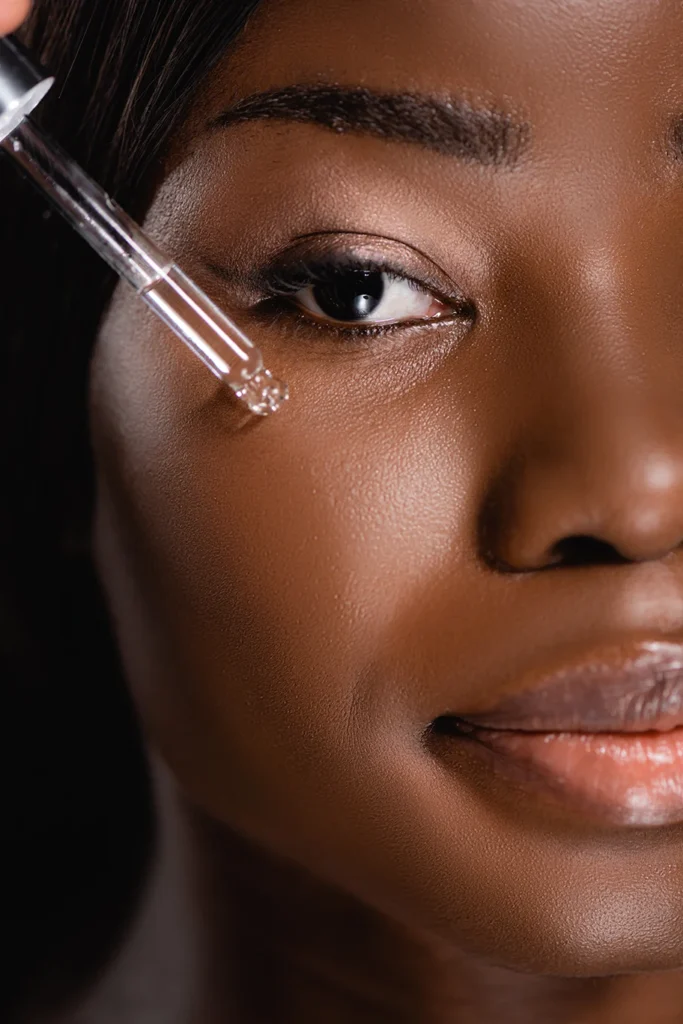
Are Exosome Skincare Products Effective?
Exosome skincare products promise to fight wrinkles, boost firmness, and repair sun damage by using tiny vesicles from stem cells or plants. These vesicles carry proteins, growth factors, and other molecules that might signal skin cells to heal and renew themselves. Companies sell serums, creams, and treatments infused with exosomes, often from human fat cells, stem cells, or even plants like grapes and coriander.
Early lab and animal studies show some promise. For example, exosomes from stem cells can stimulate collagen and elastin production, which helps keep skin firm and elastic. They also reduce inflammation and protect against UV damage that causes photoaging. Plant-based versions, called exosome-like nanoparticles, have protected mouse skin from sunburn, preserved collagen, and boosted antioxidants in tests. In one study, grape-derived particles shielded skin cells from UV rays and slowed aging signs by activating protective pathways.
Human evidence is thinner. A few small studies suggest exosomes might improve skin tone, reduce dark spots, and aid wound healing. Stem cell exosomes have cut oxidative stress and inflammation in aging tissues, hinting at anti-aging benefits. Clinics use them for rejuvenation and scars, with some patients seeing smoother skin after treatments.
But experts warn of hype over proof. No exosome skincare products are fully approved by regulators like the FDA for cosmetic use. Many products lack clear details on sourcing, purity, or doses, raising risks of contamination or weak results. Clinical trials exist, mostly for medical uses like wounds or cancer, not everyday creams. Reviews stress the need for better standardization before trusting skincare claims. One analysis says evidence does not yet support exosomes for skincare, as no solid guidelines exist.
Delivery is another hurdle. Skin barriers block most topicals, so exosomes in creams may not reach deep enough to work. Injections or microneedles help in studies, but over-the-counter options might fall short. While regenerative ingredients like growth factors show cellular benefits, exosomes remain experimental for beauty routines.
Researchers see potential in exosomes for future skincare, especially as cell-free therapies advance. For now, results vary by product quality and user, with more rigorous human trials needed to confirm if they truly deliver on the buzz.
Sources
https://bioinst.com/en/exosomes-cosmetics-for-firm-facial-lifting/
https://www.frontiersin.org/journals/pharmacology/articles/10.3389/fphar.2025.1721879/full
https://www.cellgs.com/blog/exosomes-in-2026-hype-and-potential.html
https://www.okstatemedicalproceedings.com/index.php/OSMP/article/view/264/661
https://artofskincare.com/blogs/learn/regenerative-skincare-how-growth-factors-stem-cells-exosomes-are-changing-the-future-of-skin-health
https://pmc.ncbi.nlm.nih.gov/articles/PMC12729007/
https://www.droracle.ai/articles/586425/are-exosomes-extracellular-vesicles-effective-in-skincare