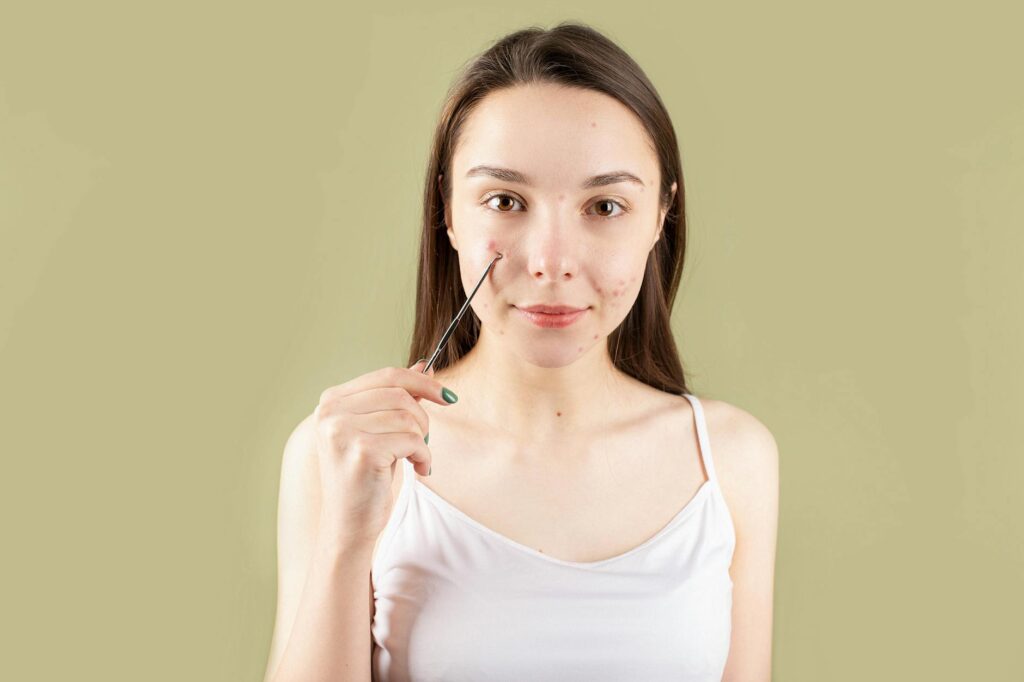
Understanding aha or bha for acne treatment is essential for anyone interested in skincare and acne treatment. This comprehensive guide covers everything you need to know, from basic concepts to advanced strategies. By the end of this article, you’ll have the knowledge to make informed decisions and take effective action.
Table of Contents
- What Makes BHA More Effective for Active Acne?
- When AHAs Actually Work Better Than BHAs
- FDA-Approved Concentrations: What Actually Works
- Choosing Based on Your Specific Skin Type
- Combining AHAs and BHAs: Risks and Realities
- Professional Peels: When Over-the-Counter Isn’t Enough
- What the Research Still Doesn’t Tell Us
- Conclusion
What Makes BHA More Effective for Active Acne?
The distinction between AHAs and BHAs isn’t marketing””it’s molecular structure. AHAs are derived from sugary fruits and dissolve in water, which limits their action to the outermost layer of skin. BHAs, primarily salicylic acid, have a different chemical structure that allows them to dissolve in oil. This means BHA can actually cut through the sebum inside your pores, reaching the source of comedonal acne rather than just treating what’s visible on the surface. A July 2025 prospective clinical trial studying 42 participants with mild-to-moderate acne (IGA grade 2-3) found that a salicylic acid-containing gel produced measurable improvements in just 21 days.
Beyond exfoliation, BHAs bring additional benefits: inherent anti-inflammatory and antibacterial properties that AHAs simply don’t possess. For someone dealing with inflammatory acne””those red, angry papules and pustules””this dual action makes BHA a more comprehensive treatment option. Research has shown that BHA can achieve efficacy comparable to adapalene for some patients with mild to moderate acne. This is significant because adapalene is a retinoid, generally considered a more aggressive acne treatment. For someone hesitant about retinoids or unable to tolerate them, salicylic acid offers a legitimate alternative with clinical support.
When AHAs Actually Work Better Than BHAs
Despite BHA’s advantages for active breakouts, dismissing AHAs would be a mistake. Glycolic acid, the most studied AHA, has its own body of clinical evidence. A 2011 study of 120 patients with mild acne found improvement after just 45 days of using 10% glycolic acid, with continued improvement at the three-month mark. Only 5.6% of patients in studies on Asian skin developed side effects, suggesting good tolerability across different skin types. AHAs shine when acne isn’t your only concern””or isn’t your primary concern anymore.
If you’ve moved past the active breakout phase but are left with uneven texture, dark spots, and post-inflammatory hyperpigmentation, glycolic acid or lactic acid will likely serve you better. These acids increase cell turnover at the surface level, helping fade discoloration and smooth rough patches that salicylic acid isn’t designed to address. However, if you have oily skin and try to use AHAs for active acne, you may find yourself frustrated. The water-soluble nature of AHAs means they can’t reach the sebum plugs deep in your pores. You might see some surface improvement, but blackheads and clogged pores will likely persist. This is the most common mistake people make when choosing between these acids.
FDA-Approved Concentrations: What Actually Works
The FDA has established clear guidelines on acid concentrations, and understanding these matters more than most people realize. For AHAs in cosmetic products, the FDA recommends 10% or less with a pH of 3.5 or greater. Clinical research suggests you need at least 8% to see meaningful results, which creates a narrow effective window for over-the-counter products. For salicylic acid, the FDA approves concentrations between 0.5% and 2% for OTC acne products. These numbers explain why that 2% salicylic acid cleanser might work while a 0.5% version feels useless.
Both 5% and 20% glycolic acid concentrations showed significant improvement in clinical trials, but the higher concentrations increase irritation risk. Professional peels can use concentrations up to 70%, but these require dermatologist supervision for good reason””at those levels, the line between treatment and chemical injury becomes thin. For home use, start at the lower end of effective ranges. A 2% salicylic acid product or an 8-10% glycolic acid product gives you enough active ingredient to work without overwhelming your skin barrier. Moving to higher concentrations makes sense only after your skin has adapted and you’re not seeing adequate results.
Choosing Based on Your Specific Skin Type
The skin type question isn’t just about preference””it determines which acid will help versus harm. If you have oily or acne-prone skin, BHA is your default choice. The oil-solubility means it works with your skin’s natural sebum production rather than against it, and the anti-inflammatory properties help calm the redness that often accompanies oily-skin breakouts. Clogged pores, frequent breakouts, and deep or cystic acne all point toward salicylic acid. AHAs make more sense for dry or mature skin.
Someone with occasional hormonal breakouts but predominantly dry skin will find that salicylic acid strips away what little oil they produce, leaving them flaky and irritated. Glycolic or lactic acid provides the exfoliation benefits without that drying effect. These acids also draw moisture into the skin, which BHAs don’t do. The tradeoff is real: BHAs are generally considered milder due to their larger molecular weight, while AHAs may pose a higher risk of irritation for some skin types. If you have sensitive skin that reacts to everything, starting with a low-concentration BHA makes more sense than jumping into glycolic acid, even if your concerns seem more surface-level.
Combining AHAs and BHAs: Risks and Realities
The temptation to use both acids simultaneously is understandable””why not get the benefits of pore-clearing and surface exfoliation at once? Some skincare products do combine AHAs and BHAs, and some people successfully alternate between them. But this approach carries real risks that aren’t always obvious until your skin barrier is compromised. Both acids increase sun sensitivity significantly. Layering them doubles down on this effect and can lead to unexpected burns or hyperpigmentation, especially in people with darker skin tones. Sunscreen becomes non-negotiable””not optional, not just for beach days, but every single day you’re using either acid.
Dermatologists also advise caution when combining these acids with retinoids, which many acne patients are already using. The combination can overwhelm even resilient skin. For those with eczema or seborrheic dermatitis, both acid categories require careful consideration. These conditions already involve barrier dysfunction, and adding chemical exfoliation can trigger flares. If you have these conditions alongside acne, working with a dermatologist becomes important rather than optional.
Professional Peels: When Over-the-Counter Isn’t Enough
Some research suggests that a 30% salicylic acid peel may provide faster response than a 50% glycolic acid peel for acne treatment. This speaks to the inherent advantages of BHA for acne, but it also highlights that professional treatments operate in a different category than what you can buy at a drugstore.
Professional chemical peels use concentrations impossible to achieve in consumer products””up to 70% for glycolic acid and 30% for salicylic acid. These treatments require trained supervision because the margin for error is small. A professional peel performed correctly can jumpstart acne clearing and address scarring in ways that daily low-concentration products cannot match.
What the Research Still Doesn’t Tell Us
Despite decades of use, there are gaps in the clinical data for both AHAs and BHAs. Most studies focus on mild to moderate acne””severe nodulocystic acne typically requires prescription medications and isn’t well-represented in the literature on chemical exfoliants. Long-term studies comparing consistent AHA versus BHA use over years rather than weeks are also limited.
What we do know is that neither acid is a complete acne solution for most people. They work best as part of a broader routine that might include proper cleansing, moisturizing, sun protection, and potentially prescription treatments. Viewing AHAs or BHAs as standalone miracle cures sets up unrealistic expectations and potential disappointment.
Conclusion
The BHA versus AHA question has a clear answer for active acne: salicylic acid’s oil-solubility gives it an advantage that glycolic acid can’t match when sebum and clogged pores are the problem. The 51% improvement rate seen in clinical studies, combined with anti-inflammatory and antibacterial properties, makes BHA the logical first choice for most acne patients. But this doesn’t make AHAs useless””they simply serve different purposes. Your decision should match your actual skin situation.
Active oily-skin acne points to BHA. Post-acne hyperpigmentation and texture issues point to AHA. Dry skin with occasional breakouts might benefit from alternating between the two. Whatever you choose, respect the FDA concentration guidelines, give products adequate time to work, and don’t neglect sun protection. Chemical exfoliants are tools, not magic””effective when used appropriately, problematic when misused.