
The acne treatment market is expanding rapidly because consumer demand for effective solutions has never been higher, driven by rising stress, environmental pollution, hormonal factors, and new causes like mask-induced acne. The global acne treatment market is projected to grow from USD 12.19 billion in 2025 to USD 17.48 billion by 2032 at a compound annual growth rate of 5.3%, with some market research showing even steeper projections reaching USD 18.6 billion by 2033.
This expansion reflects both the prevalence of the condition—affecting 9.4% of the global population—and the growing willingness of consumers across age groups and regions to invest in treatments, from teenagers managing their first breakouts to adults dealing with late-onset acne. This article examines the forces driving this market growth, the specific product categories gaining momentum, regional variations in demand, and the technological innovations reshaping how acne is treated and diagnosed. Understanding these trends helps consumers navigate an increasingly diverse marketplace and recognize why so many new treatment options are becoming available.
Table of Contents
- Why Is the Acne Treatment Market Growing So Rapidly?
- Market Growth Projections and Geographic Distribution
- The Product Categories Reshaping Consumer Choices
- How Innovation Is Transforming Diagnosis and Treatment
- The Rising Demand for Targeted and Personalized Solutions
- The Natural and Organic Acne Product Movement
- The Future of Acne Treatment and Emerging Opportunities
- Conclusion
Why Is the Acne Treatment Market Growing So Rapidly?
The acne treatment market expansion is fundamentally driven by higher disease prevalence and more varied triggers affecting consumers worldwide. With 9.4% of the global population experiencing some form of acne vulgaris, the addressable market itself is massive—roughly 750 million people. However, what’s driving growth isn’t just the baseline prevalence but rather new and compounding factors that are keeping acne rates elevated or pushing previously unaffected populations toward treatment-seeking behavior.
Modern life creates multiple acne triggers that previous generations didn’t face at the same intensity. Rising stress levels, urban pollution, changing dietary patterns, and hormonal disruptions all contribute to persistent acne cases. The post-pandemic period introduced an unexpected new demand driver: mask-induced acne (sometimes called “maskne”), which affected healthcare workers, service industry employees, and others wearing masks regularly, creating a cohort of new consumers seeking solutions. Additionally, acne is no longer viewed as purely a teenage problem—adult-onset and late-onset acne, particularly in women experiencing hormonal shifts, has become more clinically recognized and marketed to, expanding the total addressable market beyond the adolescent demographic that traditionally dominated treatment categories.

Market Growth Projections and Geographic Distribution
Different research firms project slightly different expansion rates, but all agree the market is growing at a healthy pace. Fortune Business Insights projects growth from USD 12.19 billion in 2025 to USD 17.48 billion by 2032 (5.3% CAGR), while Persistence Market Research’s acne skin care market forecast shows expansion from US$12.8 billion in 2026 to US$18.6 billion by 2033 (5.5% CAGR). A longer-term projection from Fact.MR estimates the market will grow from USD 10.40 billion in 2025 to USD 18.21 billion by 2035 at a 5.30% CAGR. These projections are relatively aligned, suggesting the market will roughly increase by 40-50% over the next seven to ten years.
However, growth is not evenly distributed globally. North America dominated the market in 2023 with 49.14% of total market share, a position driven by high healthcare spending, strong brand awareness, and established dermatology infrastructure. The limitation of this dominance is that it means most market growth going forward will come from emerging regions. Asia-Pacific is identified as the fastest-growing region, driven by rapid urbanization, rising disposable incomes among middle-class consumers, expanding e-commerce platforms enabling access to treatments, and growing awareness of dermatological conditions. This regional shift means that companies focused exclusively on North American markets are likely to miss the fastest-growing opportunities, while Asian and emerging market consumers now represent the frontier for acne treatment expansion.
The Product Categories Reshaping Consumer Choices
Topical treatments have dominated the acne market and are expected to maintain their leadership position through at least 2033. Within the topical category, creams and lotions are projected to capture approximately 45% of revenue share in 2026, making them the single largest subcategory. This reflects consumer preference for easier application, faster absorption, and less visible residue compared to other formulations. However, a significant shift is occurring within the topical segment toward products that combine multiple active ingredients—for example, benzoyl peroxide paired with antibiotics, or retinoids combined with antibiotic agents.
These combination products address the reality that acne pathogenesis is multifactorial: bacteria colonization, excess sebum production, follicular plugging, and inflammation all contribute, so single-ingredient solutions often underperform compared to products tackling multiple mechanisms simultaneously. Alongside pharmaceutical-grade combination products, there’s a parallel shift toward natural and organic acne treatments free from harsh chemicals. This trend reflects broader consumer skepticism about potential long-term effects of traditional acne medications, environmental concerns about chemical runoff, and the appeal of “cleaner” beauty formulations. The limitation of the natural products movement is that efficacy often lags behind proven pharmaceutical actives like benzoyl peroxide and adapalene, meaning consumers pursuing natural-only approaches sometimes experience slower improvement or end up switching back to conventional treatments. Nevertheless, this segment is growing within the overall market, indicating that many consumers prioritize ingredient profile and gentleness over the fastest possible results.

How Innovation Is Transforming Diagnosis and Treatment
Technology is beginning to reshape how acne is identified and managed, moving beyond traditional dermatologist office visits. AI-driven skin analysis apps and teledermatology platforms are experiencing exponential growth, enabling consumers to receive diagnosis and treatment recommendations without traveling to a clinic. These tools photograph the skin, analyze severity and type of acne, and sometimes provide personalized treatment suggestions or facilitate consultations with dermatologists remotely. A key advantage is accessibility—people in rural areas or developing nations without easy access to dermatologists can now receive expert guidance.
The tradeoff is that these tools still lack the tactile assessment and three-dimensional visualization that an in-person exam provides, meaning complex cases or those requiring manual extraction or professional procedures still benefit from in-office care. Simultaneously, professional-grade treatments are evolving beyond topical and oral medications. Laser and light-based treatments, chemical peels, and microdermabrasion are gaining traction, particularly among consumers seeking faster results with minimal downtime. These in-office procedures can address moderate to severe acne and acne scarring that topical treatments alone cannot fully resolve. The market growth in this segment reflects both expanded consumer awareness and improved technology that makes these procedures safer and more accessible to mainstream dermatology practices, not just specialized cosmetic clinics.
The Rising Demand for Targeted and Personalized Solutions
As the acne market expands, consumer demand is driving manufacturers to develop targeted solutions for specific skin types, acne subtypes, and demographic groups. Rather than one-size-fits-all formulations, the trend is toward acne solutions designed for oily skin versus combination skin, for hormonal acne versus bacterial acne, and for sensitive skin that cannot tolerate potent actives. This fragmentation of the market by skin profile means more options for consumers—a genuine improvement—but also creates decision paralysis when selecting among dozens of products with similar claims. The practical limitation is that a product perfectly formulated for one person’s skin may be suboptimal for another, requiring trial-and-error or professional guidance to find the right match.
Additionally, consumer demand is pushing manufacturers to address previously underserved demographics. Acne treatments formulated specifically for skin of color, which can be more prone to post-inflammatory hyperpigmentation, are increasingly available. Products designed specifically for adult women experiencing hormonal acne are becoming mainstream rather than niche. This demographic targeting represents genuine innovation driven by market expansion and consumer advocacy, though it also means older, less targeted formulations may become outdated as expectations rise.
The Natural and Organic Acne Product Movement
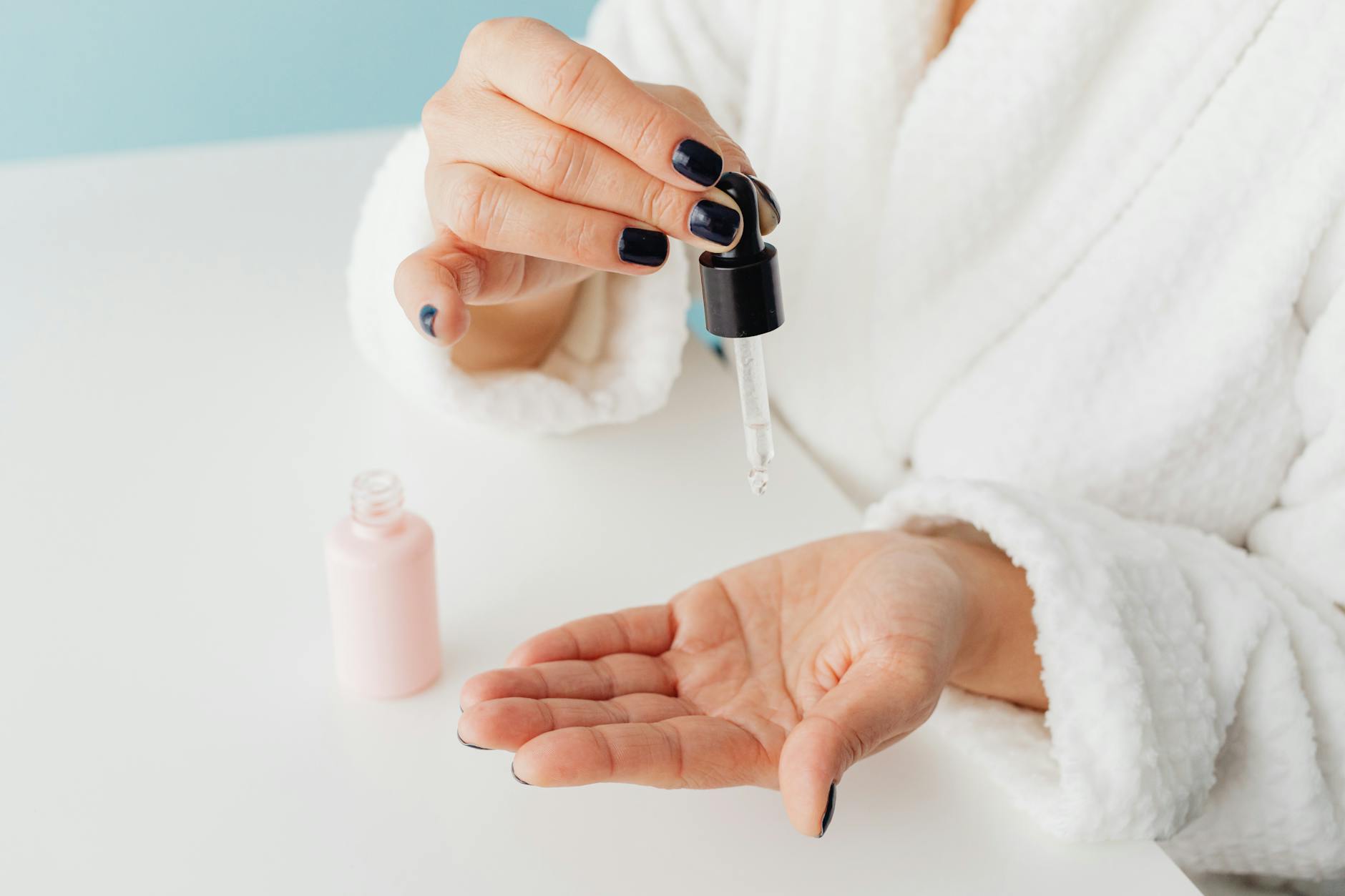
The shift toward natural and organic acne treatments reflects broader consumer values around ingredient transparency, environmental impact, and long-term safety. Products featuring botanical actives like salicylic acid derived from willow bark, tea tree oil, niacinamide, and zinc compounds are now prominently featured in mainstream skincare lines. For example, consumers seeking to avoid benzoyl peroxide—which can bleach fabrics and causes some users to experience dryness or irritation—increasingly turn to natural alternatives that promise gentler efficacy.
The market research indicates this segment is growing within the overall acne market, though it remains smaller than pharmaceutical-grade treatments. The challenge with natural products is regulatory classification and efficacy substantiation. In many jurisdictions, natural acne treatments are classified as cosmetics rather than drugs, meaning claims about treating acne require careful wording, and clinical evidence is often less robust than for FDA-approved pharmaceutical actives. Consumer education about the evidence base for natural ingredients is critical, as marketing can sometimes overstate efficacy relative to what the available research supports.
The Future of Acne Treatment and Emerging Opportunities
The acne treatment market is positioned for sustained growth through 2033 and beyond, with several emerging opportunities shaping the next phase of expansion. Personalized medicine approaches—using genetic testing or advanced skin analysis to determine which specific treatments will work best for an individual—represent a frontier that several biotech companies are exploring. As healthcare becomes more data-driven and consumers expect customization in other domains, the expectation for personalized acne treatment will likely become mainstream rather than specialized.
The integration of digital health tools, from AI skin analysis apps to prescription delivery platforms, is creating convenience and accessibility that previous generations of acne consumers never had. Simultaneously, the proven effectiveness of newer retinoid formulations, novel antibiotic alternatives (addressing antibiotic resistance concerns), and light-based therapies continues to expand the treatment arsenal. These innovations, combined with growing consumer willingness to invest in skin health, suggest that the 5.3-5.5% annual growth rate projected through the early 2030s is sustainable and potentially conservative.
Conclusion
The acne treatment market is expanding because multiple converging factors—rising disease prevalence, new environmental and lifestyle triggers, post-pandemic effects, growing consumer investment in dermatology, and technological innovation—are creating sustained and increasing demand. The market is projected to grow from approximately USD 12.19 billion in 2025 to between USD 17.48 and USD 18.6 billion by 2032-2033, with Asia-Pacific emerging as the fastest-growing region even as North America remains the largest market. This expansion encompasses diverse product categories, from established topical treatments and increasingly popular combination products to natural alternatives and cutting-edge professional procedures.
For consumers, this expansion means more options, better technology for diagnosis and treatment, and greater attention to previously underserved demographic groups. However, it also requires more informed decision-making to navigate an increasingly complex marketplace and understand which treatments are evidence-based versus marketed on aspirational claims. As the market matures, the winners will be products and services that deliver real efficacy, transparency about ingredients and mechanism of action, and alignment with consumer values around safety, sustainability, and personalization.