
The acne treatment industry is experiencing rapid expansion driven by rising prevalence rates, innovative product launches, and growing consumer investment in skincare solutions. The global acne treatment market was valued at approximately $7.1 to $12.19 billion in 2025 and is projected to reach $9.6 to $17.48 billion by 2032, representing a compound annual growth rate of 4.2% to 6.32%. This acceleration reflects not only increased demand for effective treatments but also the entry of new therapies into the market—including FDA approvals of novel topical formulations and over-the-counter innovations that are reshaping how people address acne across all age groups.
The expansion is being fueled by several converging factors. With 20.5% of the global population affected by acne—and particularly high rates among adolescents and young adults aged 16 to 24, where nearly 28.3% experience the condition—the addressable market remains massive and largely underserved. In this article, we’ll explore the drivers behind the industry’s rapid growth, examine recent product approvals and market innovations, analyze regional growth patterns, and discuss what accelerating expansion means for patients seeking treatment options.
Table of Contents
- What’s Driving the Acne Industry’s Rapid Expansion?
- Recent FDA Approvals and Product Innovation Reshaping Treatment Options
- Market Dominance of Topical Treatments and the Rise of Combination Therapies
- Regional Growth Disparities: North America Versus Asia-Pacific Expansion
- Supply Chain Resilience and Manufacturing Capacity Challenges
- The Role of Digital Health and Telemedicine in Accelerating Adoption
- Future Outlook for the Acne Treatment Market
- Conclusion
What’s Driving the Acne Industry’s Rapid Expansion?
Multiple factors are converging to accelerate growth in the acne treatment market. Rising acne prevalence across age groups—particularly the persistent high rates among adolescents and young adults—has created sustained demand for treatment options. Beyond biology, heightened aesthetic awareness and social media-driven appearance consciousness have shifted acne from a condition people tolerate to one they actively seek to treat. Post-pandemic effects also played a role: mask-induced acne, sometimes called “maskne,” created acute demand spikes that established new consumer habits around acne management. Digital distribution and e-commerce expansion have democratized access to acne treatments in ways that traditional pharmacy models never achieved.
Consumers in Asia-Pacific and emerging markets can now purchase prescription-grade and OTC acne products online, driving adoption in regions that previously lacked dermatological infrastructure. For example, the Asia-Pacific region has become the fastest-growing market segment globally, driven by rising disposable incomes and expanded e-commerce accessibility—a growth trajectory that wouldn’t be possible without digital distribution channels. However, it’s important to recognize that not all growth is equally distributed. Developed markets like North America have higher absolute spending but slower percentage growth, while emerging markets show explosive percentage increases from smaller bases. This means the expansion is partially a story of market maturation in developed regions and geographic penetration in emerging ones.

Recent FDA Approvals and Product Innovation Reshaping Treatment Options
The pace of product innovation has accelerated significantly. In August 2025, the U.S. FDA approved Alembic Pharmaceuticals’ Tretinoin Cream USP in three strengths (0.025%, 0.05%, and 0.1%), adding another topical retinoid option to the market. This approval matters because tretinoin remains one of the most effective treatments for moderate acne, yet generic formulations with consistent quality and efficacy data hadn’t been widely available through new approvals in recent years. The multi-strength offering allows dermatologists to initiate treatment at lower concentrations and titrate upward, improving tolerability for patients new to retinoid therapy. Meanwhile, over-the-counter innovation is accelerating.
In September 2025, Dermata Therapeutics announced an OTC acne kit launching in the second half of 2026 following successful Phase 3 clinical trial results. This represents a significant shift because it combines multiple ingredients proven to work synergistically—addressing the market trend toward multi-ingredient treatments (such as retinoids combined with antibiotics) that deliver better efficacy than single-agent approaches. Similarly, in April 2025, Sonoma Pharmaceuticals registered acne products containing hypochlorous acid in the UK market, expanding the range of available mechanisms of action beyond traditional antibiotics and retinoids. However, increased innovation also creates a challenge: more options don’t automatically translate to better outcomes if patients can’t navigate the choices effectively. A topical formulation with perfect efficacy data is only valuable if the patient has access, affordability, and clear guidance on how it fits into their treatment plan. Additionally, while multi-ingredient treatments show increased efficacy in clinical trials, they also tend to have higher irritancy potential—a trade-off that requires careful patient selection and management.
Market Dominance of Topical Treatments and the Rise of Combination Therapies
Topical treatments maintain the dominant position in the acne market segment, and this leadership is being solidified by the rise of combination products. Rather than using single-ingredient approaches, the industry trend has shifted decisively toward multi-ingredient formulations—particularly combinations of retinoids with antibiotics, niacinamide, or other complementary actives. This trend reflects both clinical evidence (combination therapy typically outperforms monotherapy in head-to-head trials) and patient preference for convenience and efficacy. The domination of topical treatments reflects the practical reality of acne management: topical treatments offer lower systemic risk, faster adjustment capability, and lower cost compared to oral medications. For mild-to-moderate acne, which represents the majority of cases, topical formulations provide an appropriate first-line approach.
The combination therapy trend is particularly relevant for patients who previously required oral antibiotics—some can now achieve similar results with optimized topical combinations, reducing antibiotic resistance concerns and systemic side effects. That said, topical treatments have inherent limitations that oral medications can overcome. For severe inflammatory acne, cystic acne, or cases with significant scarring risk, topical treatments alone are often insufficient. Isotretinoin (Accutane) remains the only therapy capable of producing remission or cure in severe acne cases, and no amount of topical innovation changes this reality. Understanding when topical leadership has limits is essential for practitioners and patients alike.
Regional Growth Disparities: North America Versus Asia-Pacific Expansion
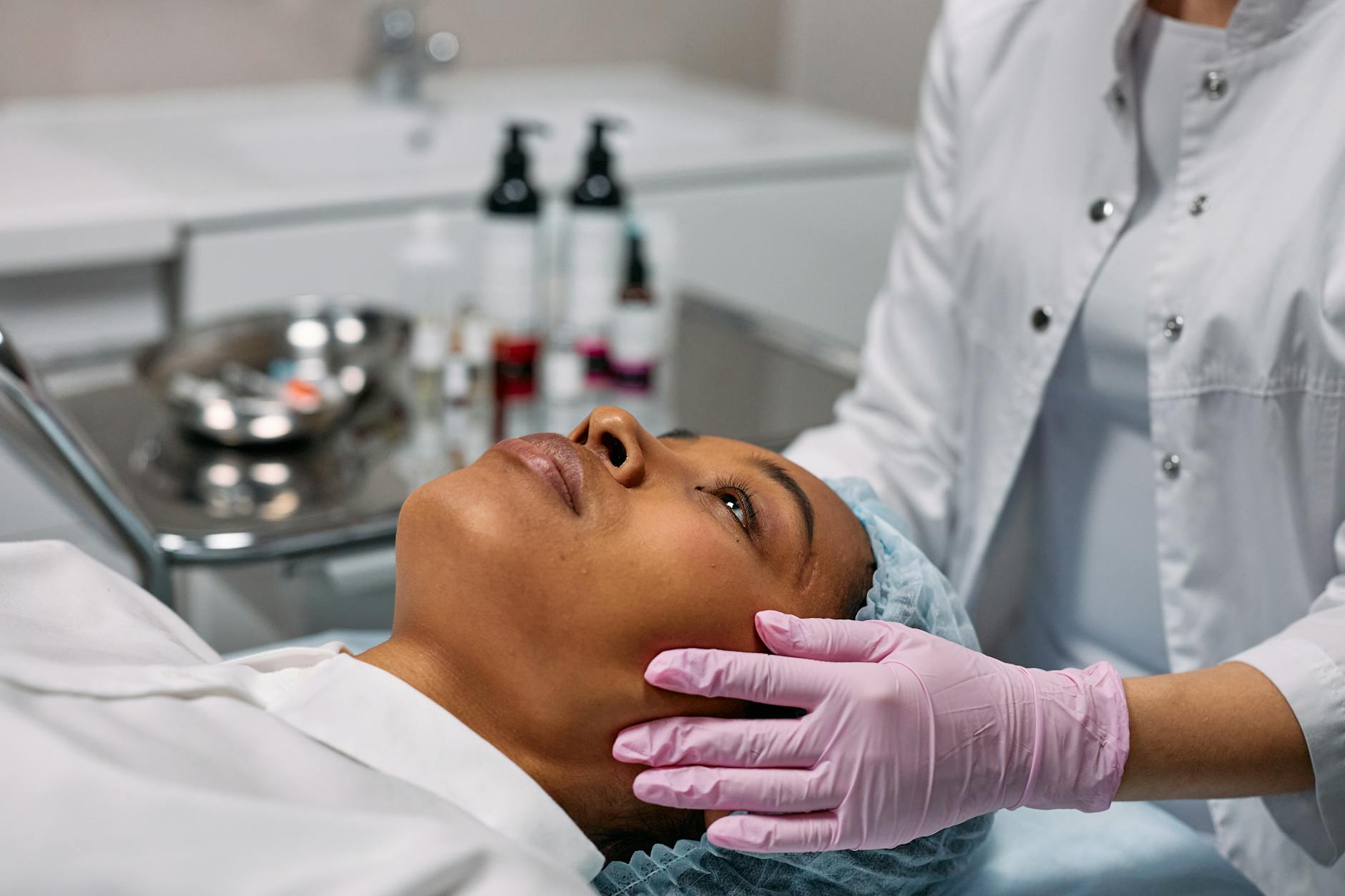
North America currently holds the market leadership position in absolute acne treatment spending and market size. This reflects developed-market factors: higher healthcare spending capacity, established dermatological infrastructure, insurance coverage for certain treatments, and mature e-commerce systems for OTC products. However, growth rates in North America are more modest compared to other regions—the market is largely saturated, with high penetration of existing treatment options and established patient education. Asia-Pacific represents the fastest-growing regional segment, driven by three compounding factors: rising disposable incomes creating new consumer spending power, dramatic expansion of dermatology awareness and access through digital media, and e-commerce infrastructure that makes acne products available in regions that previously lacked pharmacy access.
Countries like India, China, and Southeast Asian markets are experiencing explosive growth in acne treatment adoption as consumers move from untreated acne toward professional and OTC management. The Dermata Therapeutics OTC launch mentioned earlier has particular significance in Asia-Pacific markets where over-the-counter access to effective treatments hasn’t historically been the norm. However, rapid regional growth also comes with quality control and market fragmentation challenges. Asia-Pacific markets often have variable regulatory oversight, counterfeit product concerns, and inconsistent clinical guidance systems compared to North American standards. Patients in fast-growing markets may have access to more products but less reliable information about which treatments are appropriately matched to their acne phenotype.
Supply Chain Resilience and Manufacturing Capacity Challenges
As the acne treatment market expands, manufacturing capacity and supply chain resilience have become practical limitations. The recent FDA approval of tretinoin cream USP, for example, represents only a marginal increase in total tretinoin availability—it’s a formulation improvement and quality certification rather than a capacity expansion. Raw material sourcing for active pharmaceutical ingredients, particularly for retinoids and specialty antibiotics used in combination products, can be constrained by global supply dynamics. The shift toward multi-ingredient treatments also creates manufacturing complexity that single-ingredient products don’t face.
Formulating stable combinations of retinoids with other actives (which may have different pH or stability profiles) requires sophisticated pharmaceutical technology. This is why we’ve seen relatively few truly novel multi-ingredient products hitting the market despite years of clinical research suggesting combinations work better—the manufacturing and regulatory pathway is simply more challenging than single-agent development. A critical limitation to watch: as market expansion accelerates, the industry’s ability to supply treatments may lag behind demand growth in certain regions or for certain product types. Shortages of tretinoin and isotretinoin have occurred historically, and rapid market expansion without proportional manufacturing investment could create similar supply constraints in the future.
The Role of Digital Health and Telemedicine in Accelerating Adoption
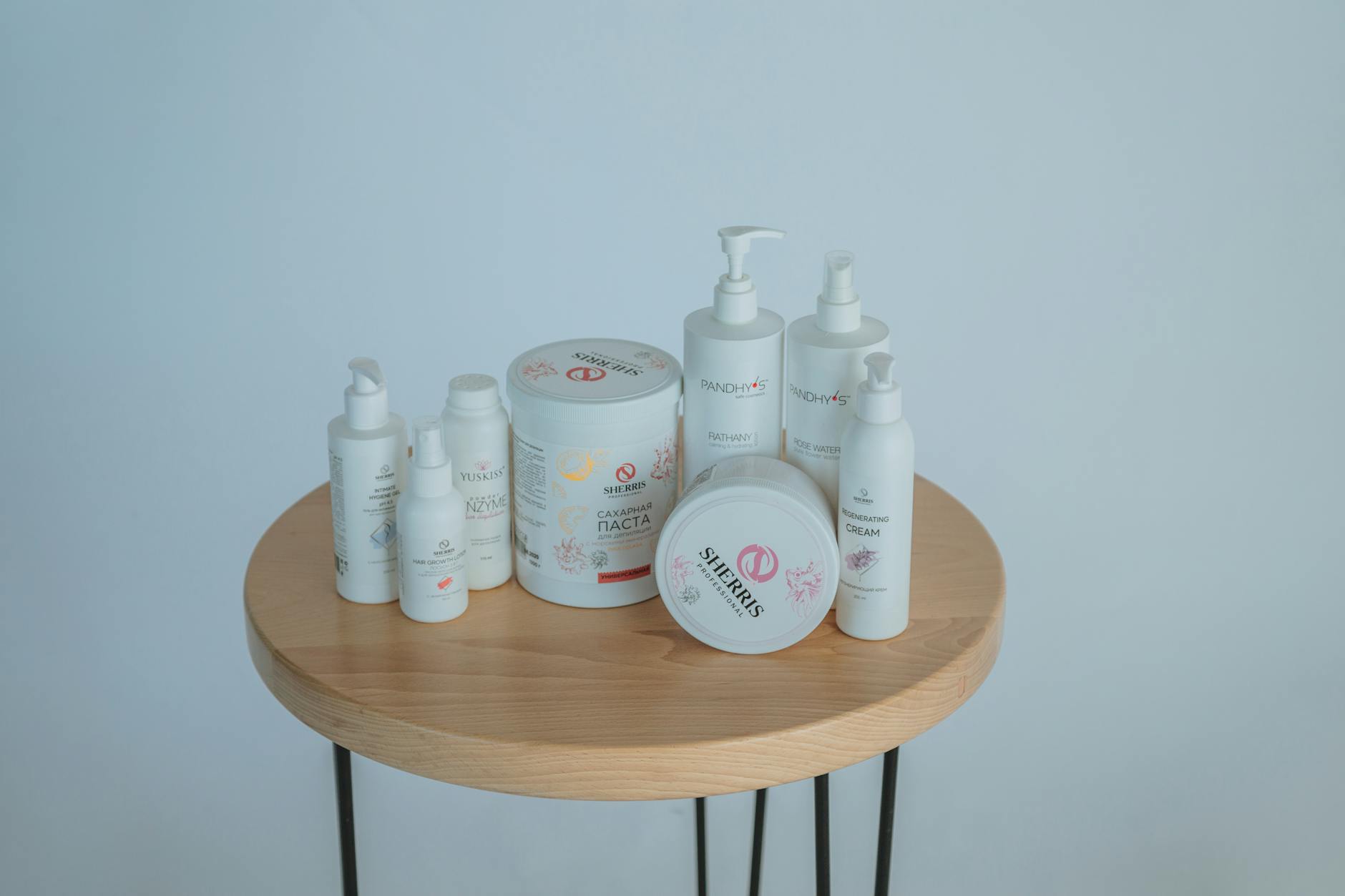
Digital health platforms and telemedicine have fundamentally changed how acne treatments reach consumers. Rather than requiring an in-person dermatology appointment (which can involve months-long wait times in many regions), patients can now consult with dermatologists or nurse practitioners online, receive prescriptions for topical treatments, and have medications shipped directly. This accessibility has been a primary driver of market expansion, particularly in regions where dermatological expertise is geographically concentrated.
Telemedicine platforms have made evidence-based acne treatment accessible to populations that previously relied on pharmacist recommendations, over-the-counter experimentation, or untreated acne. The September 2025 Dermata Therapeutics OTC announcement specifically highlights this shift—an OTC formulation represents a bypass of the prescription requirement entirely, meaning patients can initiate treatment based on self-diagnosis supported by digital resources rather than requiring professional consultation. This democratization is a direct driver of market acceleration.
Future Outlook for the Acne Treatment Market
Looking forward, the acne treatment market’s expansion is unlikely to decelerate in the near term. The $9.3 billion market projected for 2033 (based on a 5.2% CAGR from the 2024 baseline of $5.9 billion) reflects continued growth as new products launch, as digital access expands globally, and as consumer awareness of treatment options remains high. Emerging therapeutic approaches—including newer retinoid formulations with improved tolerability, anti-inflammatory compounds, and potentially microbiome-targeted therapies—will likely add new market segments rather than cannibalizing existing treatments.
The next phase of expansion will likely be defined by geographic penetration (Asia-Pacific and emerging markets) rather than category innovation in developed markets. As North America and Europe mature, the growth story shifts to making existing treatment modalities accessible in regions where acne prevalence is high but treatment access remains limited. The continued e-commerce expansion and regulatory harmonization in international markets will be primary enablers of this geographic growth.
Conclusion
The acne treatment industry’s rapid expansion reflects genuine market demand driven by high disease prevalence, rising consumer investment in skincare, and sustained innovation in therapeutic options. The market has grown from approximately $5.9 billion in 2024 to an anticipated $9.3 billion by 2033, with recent FDA approvals and OTC launches creating momentum that extends beyond traditional prescription channels. Topical treatments maintain market leadership while trending toward combination formulations that deliver better efficacy than single agents.
For patients navigating treatment decisions, this expansion creates both opportunity and complexity. More options are available than ever before, ranging from over-the-counter innovations to newly approved prescription formulations, yet choosing the right approach requires understanding the practical limitations of topical treatments, managing expectations for treatment timelines, and recognizing when professional dermatological guidance is necessary rather than optional. The future expansion of this market will likely be driven by geographic penetration into regions with high acne prevalence but limited treatment access—a growth trajectory that benefits from digital health infrastructure and continued product innovation.