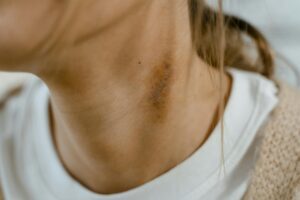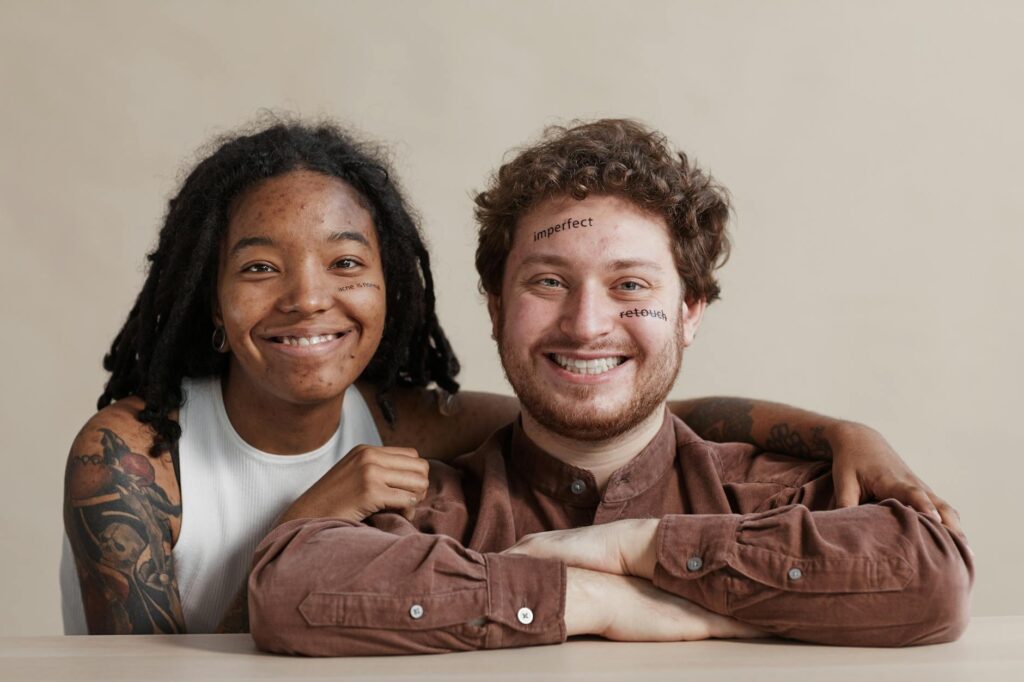
Yes, acne awareness is growing significantly, and influencers are at the center of this shift—but not always in ways the dermatology community expected. Alix Earle, Sofia Grahn, and others are openly discussing their decade-long acne struggles, multiple rounds of Accutane, and the emotional toll of clear skin culture, reaching millions of followers with unfiltered photos and honest conversations. This movement is reshaping how 50 million Americans affected by acne annually think about their skin, treatment options, and the pressure to hide their condition. Rather than the carefully curated “before and after” transformations that dominated skincare marketing, real skin stories are normalizing acne and creating communities where people feel less alone.
This shift matters because the numbers are staggering: 95.3% of acne patients use at least one social media platform to seek information, and 72.1% actively search for acne guidance online. Yet dermatologists—the actual experts—create less than 4% of the most-viewed acne content on Instagram, and only 11% of top-performing acne TikToks come from medically trained professionals. That gap is where influencers step in, for better and worse. This article explores how influencers are reshaping acne conversations, what drives patient behavior shifts, the risks that come with unfiltered advice, and the new treatment advances emerging in 2025 that are changing what’s actually possible.
Table of Contents
- How Social Media Became the Primary Source for Acne Information
- The Influencer-Expert Content Gap Creates a Trust Issue
- Real Skin Stories That Are Actually Shifting Culture
- When Social Media Changes Patient Behavior—For Better and Worse
- The Misinformation Risk—What Influencers Often Get Wrong
- The 2025 Treatment Advances Influencers Are Making More Visible
- The Skinimalism Trend & Where Acne Advocacy Goes From Here
- Conclusion
How Social Media Became the Primary Source for Acne Information
The shift from consulting dermatologists to consulting social media happened faster than the medical community realized. When patients search for acne help today, Google leads at 75.6%, followed closely by Instagram at 72.3%, YouTube at 60%, and even TikTok at 29.4%. This means most people are typing their symptoms into a search engine or scrolling through influencers’ skin journeys before they ever book a dermatology appointment—if they book one at all. What’s driving this shift is accessibility and relatability.
An influencer showing their cystic acne without filters or editing at 7 a.m. feels more trustworthy to many people than a clinical photo on a dermatology website. It’s the difference between seeing someone who looks exactly like you—same age, same skin tone, same type of acne—versus seeing a stock photo or a case study from 10 years ago. This is why 58.9% of Instagram users specifically consult influencers for acne content. However, this pattern creates a real problem: patients are making medical decisions based on entertainment content, not evidence.
The Influencer-Expert Content Gap Creates a Trust Issue
The numbers reveal a stark divide. Dermatologists post less than 4% of the acne content that performs best on Instagram. On TikTok, the gap is even wider—only 11% of the most-viewed acne videos come from medically trained professionals. Meanwhile, influencers without dermatology credentials are creating the majority of viral acne content, which means the people with the biggest audiences often lack the formal training to give accurate treatment advice.
This doesn’t mean all influencers are spreading misinformation, but the incentive structure is misaligned. Dermatologists face liability for medical claims, must follow FDA regulations, and typically don’t have time to create daily content. Influencers face pressure to keep audiences engaged and coming back—which means confessional posts about acne journeys will almost always outperform educational content about barrier function. The result is that the most visible acne conversations online are driven by personal experience and relatability rather than clinical evidence. Some influencers actively combat this by partnering with dermatologists, but most operate independently, meaning there’s no medical review of their recommendations before millions see them.
Real Skin Stories That Are Actually Shifting Culture
Alix Earle built a massive following partly by being candid about her acne—talking openly about her decade-long struggle, multiple Accutane rounds, and how the medication affected her mental health. Sofia Grahn is known for posting raw, unfiltered acne photos without editing or filtering, which sounds simple but is radical in influencer culture where perfection is typically the rule. Maia Gray and Simphiwe Mbatha have focused on promoting self-kindness and actively debunking acne myths, framing clear skin as one outcome of skincare rather than the only acceptable outcome.
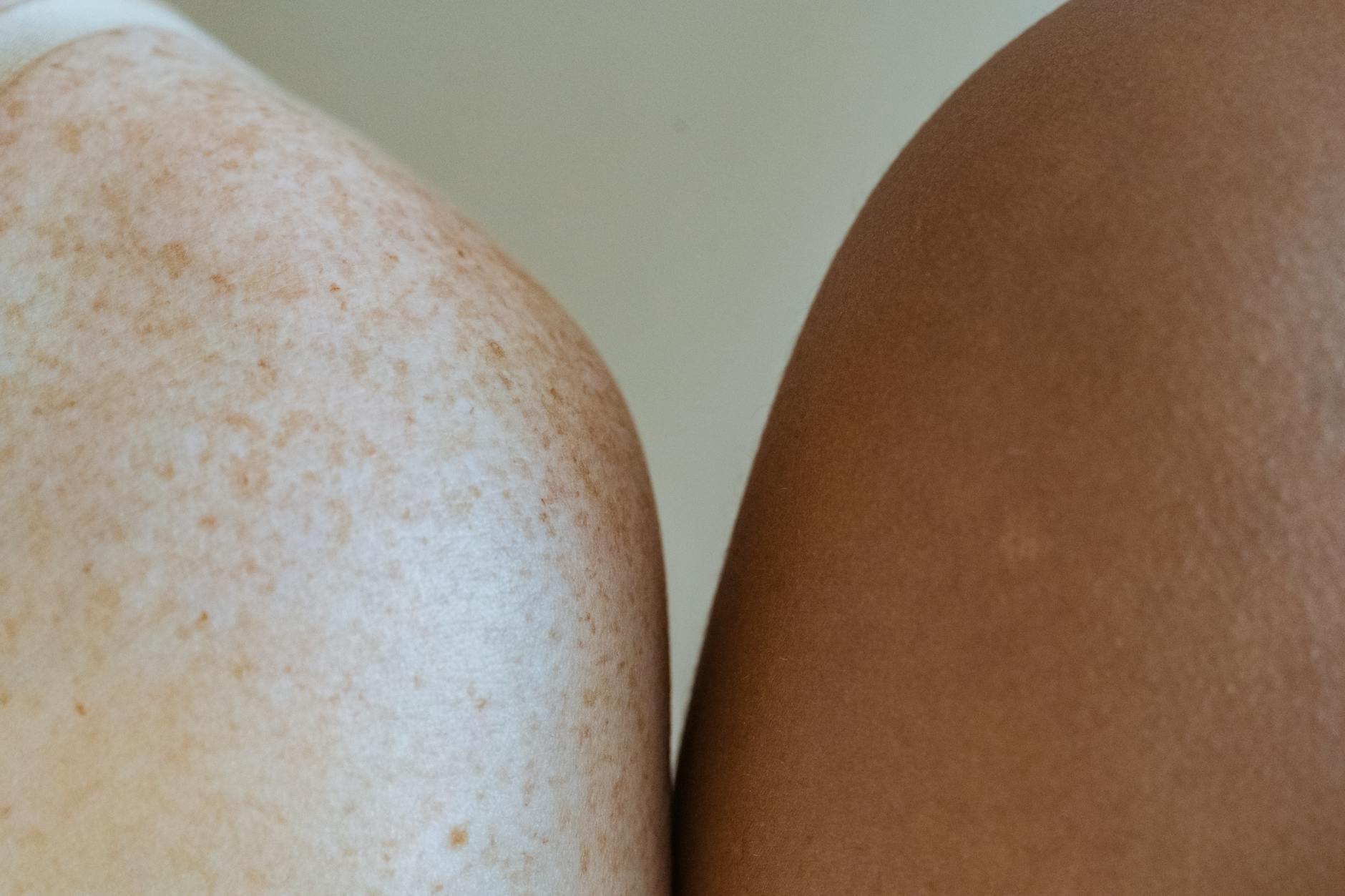
These accounts exist alongside community-driven spaces like @DontPopThatSpot, which creates a safe space specifically for people to discuss the mental and physical toll of acne without judgment. What these influencers have in common is that they’re reframing acne from a personal failure (“I have bad skin”) to a medical condition that affects 50 million Americans annually and 85% of adolescents. That shift in language and framing is genuinely changing how younger people in particular think about skin treatment and self-worth. However, these influencers’ openness doesn’t substitute for professional diagnosis—sharing your acne journey is valuable for destigmatization, but it’s not a replacement for dermatology care if acne is severe or worsening.
When Social Media Changes Patient Behavior—For Better and Worse
The awareness influencers create does change behavior. Patients are more likely to start skincare routines, seek treatment earlier, and feel less shame about their acne—all positive outcomes. But the same studies that show 58.9% of Instagram users consult influencers also reveal a darker finding: 20.9% of acne patients report they would alter their physician-prescribed acne treatment based on social media recommendations. That’s 1 in 5 people willing to stop their dermatologist’s prescription because of something they read online.
This creates a legitimate clinical problem. A dermatologist might prescribe retinoids on a specific schedule for moderate acne, but if an influencer posts about switching to an all-natural cleanser and sees improvement, patients following that influencer might abandon their prescription midway. The risk is compounded by the fact that acne treatment often requires 8-12 weeks to show results—early stopping means the patient never actually knows if the dermatologist’s plan would have worked. The comparison matters here: dermatologist guidance is based on your individual skin type, acne severity, and medical history, while influencer recommendations are based on one person’s experience. What worked for someone’s cystic acne might be useless or even irritating for someone else’s hormonal acne.
The Misinformation Risk—What Influencers Often Get Wrong
Because 29.4% of acne patients now use TikTok for advice, and TikTok’s algorithm favors extreme claims over nuance, certain myths spread faster than corrections. Common misinformation includes the idea that all acne comes from bacteria (ignoring hormonal and inflammatory components), that certain foods universally cause acne (evidence is inconsistent and individual), or that you can “cure” acne with a single product or routine change (acne is typically a medical condition requiring professional management). The bigger problem is that influencers often don’t disclose their skin type, severity of acne, age, ethnicity, or other factors that dramatically affect what treatment works.
Someone sharing their Accutane success might have had severe nodular acne that required isotretinoin—but a follower with mild comedonal acne might try Accutane anyway, or might feel hopeless if they can’t access it. Additionally, some influencers are sponsored by skincare brands they promote, creating a financial incentive to oversell products or exaggerate results. This doesn’t mean influencers are intentionally lying, but it does mean their recommendations carry financial incentives that a dermatologist’s don’t.
The 2025 Treatment Advances Influencers Are Making More Visible
A notable development is that influencers discussing their acne treatment journey are now covering treatments that didn’t exist or weren’t mainstream 5 years ago. Sanofi is conducting clinical trials on an mRNA acne vaccine—the first preventive vaccine targeting the inflammatory response that causes acne—which is exactly the kind of breakthrough that spreads rapidly on social media because it sounds transformative. There’s also denifanstat, a new oral therapy targeting sebum production and inflammation, which appeals to patients exhausted by topical routines.
One of the most notable advances gaining attention is 1726nm laser therapy, which showed in clinical trials that approximately 40% of moderate-to-severe acne patients achieve clear or almost clear skin for up to 6 months post-treatment. That’s a specific, quantifiable outcome that influencers can demonstrate in before-and-after content, which is why this technology is likely to become more visible on skincare social media in the coming months. However, understanding that these are clinical trial results is important—they represent best-case scenarios under controlled conditions, not typical outcomes for everyone.
The Skinimalism Trend & Where Acne Advocacy Goes From Here
A counter-trend emerging in 2025 is skinimalism—a minimalist approach to skincare emphasizing only essential products: a gentle cleanser, moisturizer, and sunscreen. This trend is partly a reaction to the 10-step routines, expensive serums, and product-heavy approaches that dominated skincare influencer culture for years. The philosophy is that protecting the skin barrier is more important than adding layers of actives, which actually resonates with dermatology thinking about acne—simpler routines mean fewer irritants and better barrier function.
Another visible trend is hypochlorous acid formulations gaining adoption in mists, sprays, and serums to calm redness, fight acne, and support barrier repair. What’s notable is that these trends are being discussed openly on platforms like Instagram and TikTok, making dermatology-adjacent concepts more accessible to the general public. The future of acne conversations online seems to be moving toward more balanced messaging—still led by influencers, but increasingly co-created with dermatologists or at least informed by clinical evidence. Influencers sharing real skin stories will likely remain central to how people think about acne, but the expectation that those influencers back up their recommendations with actual sources or expert collaboration is growing.
Conclusion
Acne awareness is undeniably growing because influencers are sharing real skin stories in ways that dermatologists traditionally haven’t. This shift has genuine benefits—reduced stigma, earlier help-seeking, and a more honest conversation about a condition affecting 50 million Americans. But the gap between where patients seek information (primarily social media) and where actual expertise lives (dermatology) creates real risks. The fact that 20.9% of patients would alter physician-prescribed treatment based on social media recommendations is a warning that cultural shifts in acne conversation need to be paired with continued education about the difference between relatable personal experience and medical guidance.
Moving forward, the most valuable path is combining what influencers do best—building community, normalizing skin struggles, and making dermatology concepts accessible—with actual dermatological expertise. If you’re following acne influencers and considering changing your treatment, a conversation with your dermatologist about what you’ve seen online is worth having. If you’re seeking acne help for the first time, social media is a useful starting point for understanding what others have experienced, but it shouldn’t be your only source. The new treatments emerging in 2025, the skinimalism movement, and the growing number of influencers willing to cite sources and acknowledge limitations suggest that acne conversations online are maturing. Real skin stories matter, but they work best alongside real dermatology.