
Most patients see modest but noticeable improvements after one month on Accutane, though the first four weeks are often characterized more by side effects than dramatic clearing. Typically, you can expect a 20-30% reduction in active acne by day 30, with the most obvious changes being decreased skin oiliness and fewer new cystic breakouts forming. However, roughly half of patients experience an “initial breakout” or “purge” during this period, where acne temporarily worsens before improving—a frustrating but normal part of the treatment process.
Consider Sarah, a 24-year-old who started on 40mg daily for severe cystic acne. By week four, her skin was noticeably less oily and she hadn’t developed any new deep cysts, but she still had active lesions from before treatment and experienced a mild flare of smaller pimples around week two. Her dermatologist reassured her this was expected and that the real transformation typically occurs between months two and four. This article covers what specific changes to expect week by week during your first month, why purging happens and how to manage it, side effects you’ll likely encounter, realistic before-and-after expectations, and what factors influence how quickly you’ll see results.
Table of Contents
- What Changes Can You Actually See After One Month on Accutane?
- The Accutane Purge: Why Skin Often Gets Worse Before It Gets Better
- Common Side Effects During the First Month of Isotretinoin
- Setting Realistic Before-and-After Expectations for Month One
- Factors That Influence How Quickly Accutane Works
- Managing Skin Care and Lifestyle During Month One
- What Happens After Month One: The Path Forward
What Changes Can You Actually See After One Month on Accutane?
The most reliable early sign that accutane is working is a significant reduction in sebum production. Within the first two weeks, most patients notice their face feels less greasy throughout the day, their hair doesn’t get oily as quickly, and they may need to wash their face less frequently. This oil reduction is the mechanism by which isotretinoin ultimately clears acne, so it’s an encouraging sign even when breakouts persist. By day 30, inflammatory lesions—the red, painful pimples—typically show more improvement than blackheads and whiteheads. Deep cystic nodules often stop forming new, and existing ones begin to flatten and feel less tender.
Surface-level comedones take longer to clear because they need to physically work their way out of the pore. A patient who started with primarily cystic acne may see more dramatic early improvement than someone with comedonal acne covering their forehead. It’s important to calibrate expectations: one month is only the beginning of a 5-6 month course. Clinical studies show that patients achieve approximately 50% clearance by month two and 80% or greater by treatment end. If your skin looks only marginally better at week four, you’re still on track. The patients who see dramatic one-month transformations often posted online represent outliers, not the typical experience.

The Accutane Purge: Why Skin Often Gets Worse Before It Gets Better
Approximately 40-50% of patients experience a purge during the first few weeks of treatment, where existing microcomedones—clogged pores too small to see—rapidly surface as visible pimples. Isotretinoin accelerates skin cell turnover, essentially fast-forwarding the acne that was already developing beneath the surface. This purge usually peaks around weeks two to three and subsides by week six, though individual timelines vary considerably. The severity of purging often correlates with pre-treatment acne severity.
Patients with extensive comedonal acne or those who previously experienced purges on retinoids like tretinoin tend to have more pronounced initial breakouts. Dermatologists sometimes prescribe a lower starting dose (20mg instead of 40mg) for patients at high purge risk, or add a short course of oral prednisone during the first two weeks to blunt the inflammatory response. However, if your “purge” involves entirely new types of acne in areas you’ve never broken out before, or persists severely beyond week six, contact your dermatologist. True purging brings existing acne to the surface faster—it doesn’t create acne where none was developing. Some patients mistake allergic reactions or other skin conditions for purging when they actually require treatment adjustment.
Common Side Effects During the First Month of Isotretinoin
Dryness dominates the first-month experience for nearly all patients. Chapped lips appear within days and remain throughout treatment—Aquaphor or a lanolin-based balm applied multiple times daily becomes essential. Dry nasal passages can cause nosebleeds, dry eyes make contact lenses uncomfortable, and skin may flake or feel tight. These effects confirm the medication is active and are managed rather than eliminated. Joint and muscle aches affect roughly 15-20% of patients, particularly those who exercise intensively.
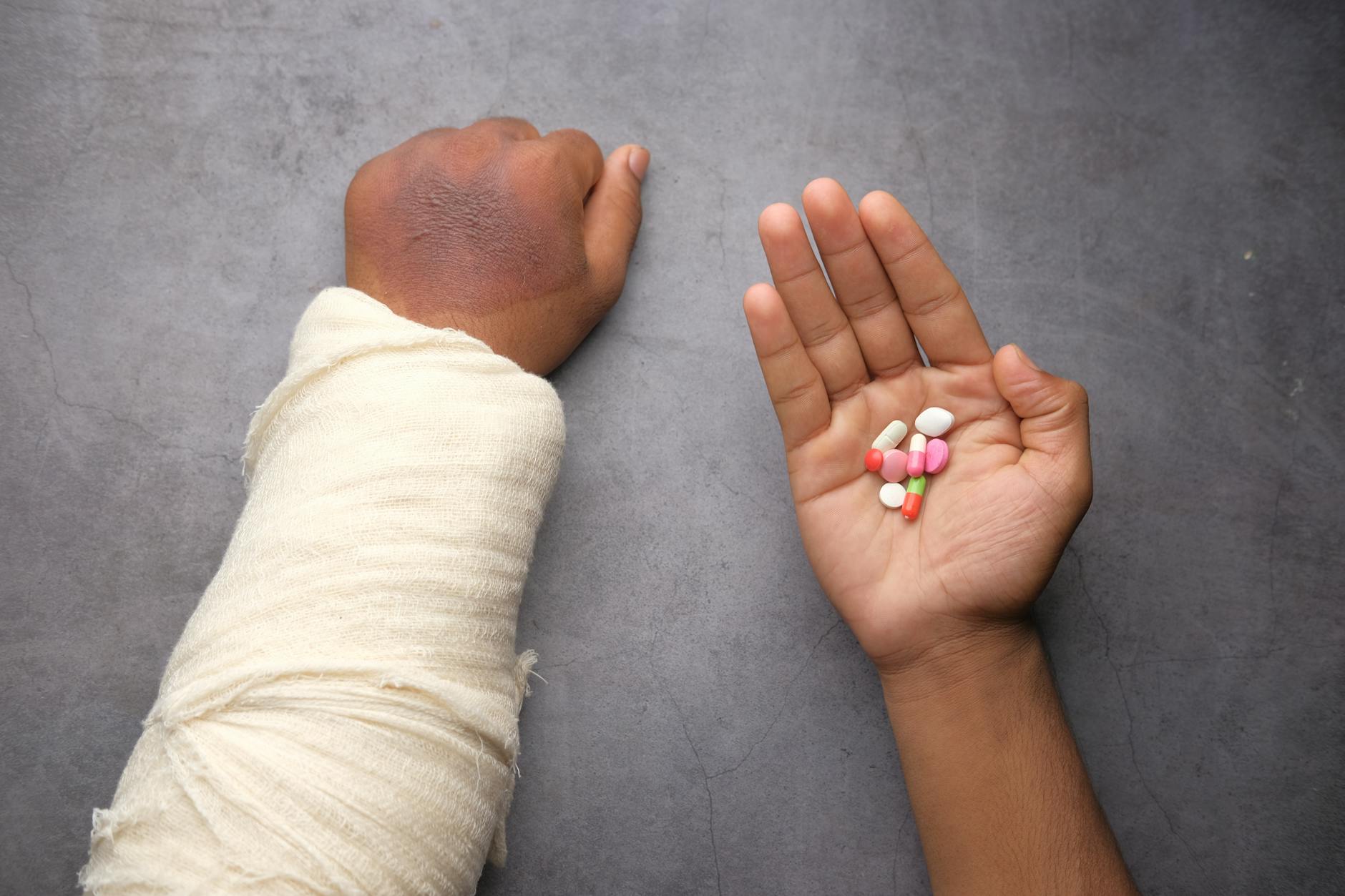
One college athlete on 60mg daily reported knee pain severe enough to modify his training during month one, which improved once his dose was reduced. If you’re physically active, discuss this with your dermatologist before starting—some recommend lower doses for athletes or advise against starting treatment during competitive seasons. Monthly blood tests monitor liver function and triglyceride levels, both of which isotretinoin can elevate. Most patients show only minor fluctuations within normal ranges during month one. However, those who drink alcohol, take certain medications, or have pre-existing liver conditions face higher risk. The blood draw requirement and mandatory pregnancy prevention program (iPLEDGE in the United States) create logistical demands—missing your monthly check-in delays your prescription refill.
Setting Realistic Before-and-After Expectations for Month One
Social media skews perception of Accutane timelines because dramatic transformations generate more engagement than gradual, typical progress. When someone posts “one month Accutane results” showing perfectly clear skin, they often had milder starting acne, responded unusually quickly, or—not uncommonly—actually photographed results from month three or four. Comparison with these posts breeds unnecessary anxiety. A realistic one-month before-and-after might show: skin that’s noticeably less shiny, perhaps fewer active large pimples, but still significant acne present including some purge-related breakouts. Hyperpigmentation and scarring from previous acne won’t fade in this timeframe—those require months of healing after active acne resolves.
Progress photos taken in consistent lighting, at the same angle, without makeup, provide the most accurate self-assessment. The psychological impact of slow initial progress shouldn’t be underestimated. Patients who expected rapid clearing sometimes feel discouraged at month one and consider stopping treatment prematurely. This is precisely when support from dermatologists, online communities of fellow patients, or friends who’ve completed courses proves valuable. The medication works for over 85% of patients who complete their full course—but that requires patience through the challenging early weeks.
Factors That Influence How Quickly Accutane Works
Dosage plays a significant role in treatment speed. Isotretinoin effectiveness is measured by cumulative dose—typically 120-150mg per kilogram of body weight over the entire course. A 70kg patient on 70mg daily reaches this target faster than the same patient on 40mg daily, potentially clearing sooner but with more intense side effects. Higher doses correlate with faster results but also with more severe dryness and greater purging risk. Acne type and severity affect the visible timeline.
Patients with predominantly inflammatory acne (red pimples, cysts) often see faster improvement than those with comedonal acne (blackheads, whiteheads). A patient whose main concern is large, painful cysts might notice dramatic relief within weeks as new cyst formation stops, while someone treating persistent blackheads across their nose may see little change until month two or three when those comedones finally extract. Adherence to the medication protocol matters more than patients sometimes realize. Isotretinoin is fat-soluble, meaning absorption increases substantially when taken with a fatty meal—up to double compared to taking it on an empty stomach. A patient who consistently takes their pill with breakfast containing eggs and avocado will achieve higher blood levels than one who takes it sporadically with just coffee. This difference accumulates over weeks and affects results.
Managing Skin Care and Lifestyle During Month One
Your skincare routine requires significant simplification while on isotretinoin. Active ingredients like benzoyl peroxide, salicylic acid, retinoids, and vitamin C become too irritating for most patients and should be discontinued. The first-month regimen typically reduces to: gentle cleanser, heavy moisturizer, lip balm, and sunscreen.
Many patients find their previous extensive routines were masking how much work their skin was doing—without excess oil, simpler care suffices. The tradeoff between continuing acne-fighting products versus reducing irritation generally favors gentleness during month one. Continuing to use harsh products won’t speed results and may cause significant irritation that’s difficult to distinguish from medication side effects. Some dermatologists allow continued use of gentle benzoyl peroxide washes for patients with very severe acne, but this is case-specific.
What Happens After Month One: The Path Forward
Month two typically brings more encouraging changes as purging subsides and the cumulative effect of isotretinoin takes hold. Most patients see their most dramatic improvement between weeks six and twelve, with many achieving 70-80% clearance by month three. The side effects stabilize—meaning they don’t worsen, though dryness persists—and patients develop routines for managing them.
Completing the full prescribed course, typically five to six months, proves essential for long-term results. Studies show that patients who stop early due to improvement often relapse within a year, while those who reach the target cumulative dose have 80-85% rates of permanent clearance. The challenging first month is an investment in an outcome that, for the majority of patients, fundamentally resolves their acne rather than merely controlling it.