
After one month on Accutane (isotretinoin), most patients experience increased dryness””particularly of the lips and skin””along with the beginning or continuation of an initial breakout, often called the “purge.” Visible improvement in acne is uncommon at this stage; in fact, many people find their skin looks worse before it gets better. The drug needs time to reduce oil production and work through existing clogged pores, which means the first four weeks are typically about adjustment rather than results. For example, a patient starting on 40mg daily might notice their lips cracking within the first week, experience a cluster of new pimples around week two or three, and finish the month with skin that feels tighter but shows little cosmetic improvement.
This timeline frustrates many patients who expect rapid transformation, but understanding what happens internally during month one helps set appropriate expectations. Isotretinoin works by shrinking sebaceous glands and altering how skin cells behave, processes that take months to complete. The one-month mark is simply too early to judge whether the medication is “working”””the real changes come later. This article covers what physical changes to expect, why the initial breakout happens, how to manage early side effects, when to contact your dermatologist, and what distinguishes normal progress from warning signs that need attention.
Table of Contents
- What Does Normal Accutane Progress Look Like After 1 Month?
- Understanding the Accutane Purge: Why Skin Often Gets Worse First
- Managing Dry Lips and Skin During the First Month of Accutane
- Blood Tests and Monthly Monitoring: What Happens at Your First Follow-Up
- When to Worry: Side Effects That Require Immediate Attention
- Comparing Progress: Low-Dose Versus Standard-Dose Accutane at One Month
- Setting Expectations for Month Two and Beyond
- Conclusion
What Does Normal Accutane Progress Look Like After 1 Month?
Normal progress at the one-month mark centers on side effects rather than acne clearance. The most universal experience is dryness: lips become chapped to the point of peeling, nasal passages may feel irritated or bleed slightly, and facial skin loses its oiliness. Many patients report that their previously greasy hair now goes several days between washes. These changes indicate the medication is actively reducing sebum production, which is exactly what it’s designed to do. Regarding acne itself, the picture varies considerably. Some patients see no change in their breakouts, others experience a mild worsening, and a smaller group faces a significant flare.
A comparison helps illustrate this range: Patient A on 30mg might notice a few extra whiteheads but otherwise stable skin, while Patient B on the same dose experiences deep cystic lesions they hadn’t seen in months. Both responses fall within the normal spectrum. Clinical studies suggest roughly 20-30% of patients experience a noticeable initial flare, typically peaking between weeks two and six. The absence of dramatic improvement shouldn’t be interpreted as treatment failure. Dermatologists generally don’t assess Accutane’s effectiveness until at least month two or three, and many patients don’t see substantial clearing until months four through six. The first month establishes that your body is responding to the medication””dry lips are actually a reassuring sign, not just an inconvenience.
Understanding the Accutane Purge: Why Skin Often Gets Worse First
The initial worsening that many patients experience isn’t a reaction against the medication but rather part of how isotretinoin works. The drug accelerates skin cell turnover, pushing existing microcomedones (tiny, invisible clogged pores) to the surface faster than they would naturally emerge. Think of it as the medication forcing your skin to reveal all the acne that was already forming beneath the surface, compressing months of potential breakouts into a shorter window. However, if your initial breakout is severe””particularly if you’re developing large, painful nodules or cysts you’ve never experienced before””this warrants a call to your dermatologist. They may adjust your dosage, add a short course of oral corticosteroids to calm inflammation, or recommend other interventions.
The line between a normal purge and a problematic flare isn’t always obvious, which is why monthly check-ins exist. A good rule of thumb: if your acne is significantly worse than it ever was before starting treatment, or if lesions are leaving early scarring, seek guidance rather than simply waiting it out. Patients who started with primarily comedonal acne (blackheads and whiteheads) often have milder purges than those with inflammatory or cystic acne. This makes sense because there’s less “underground” activity to bring to the surface. Some dermatologists start patients with severe inflammatory acne on lower doses specifically to minimize purging intensity, then increase the dose once the initial phase passes.
Managing Dry Lips and Skin During the First Month of Accutane
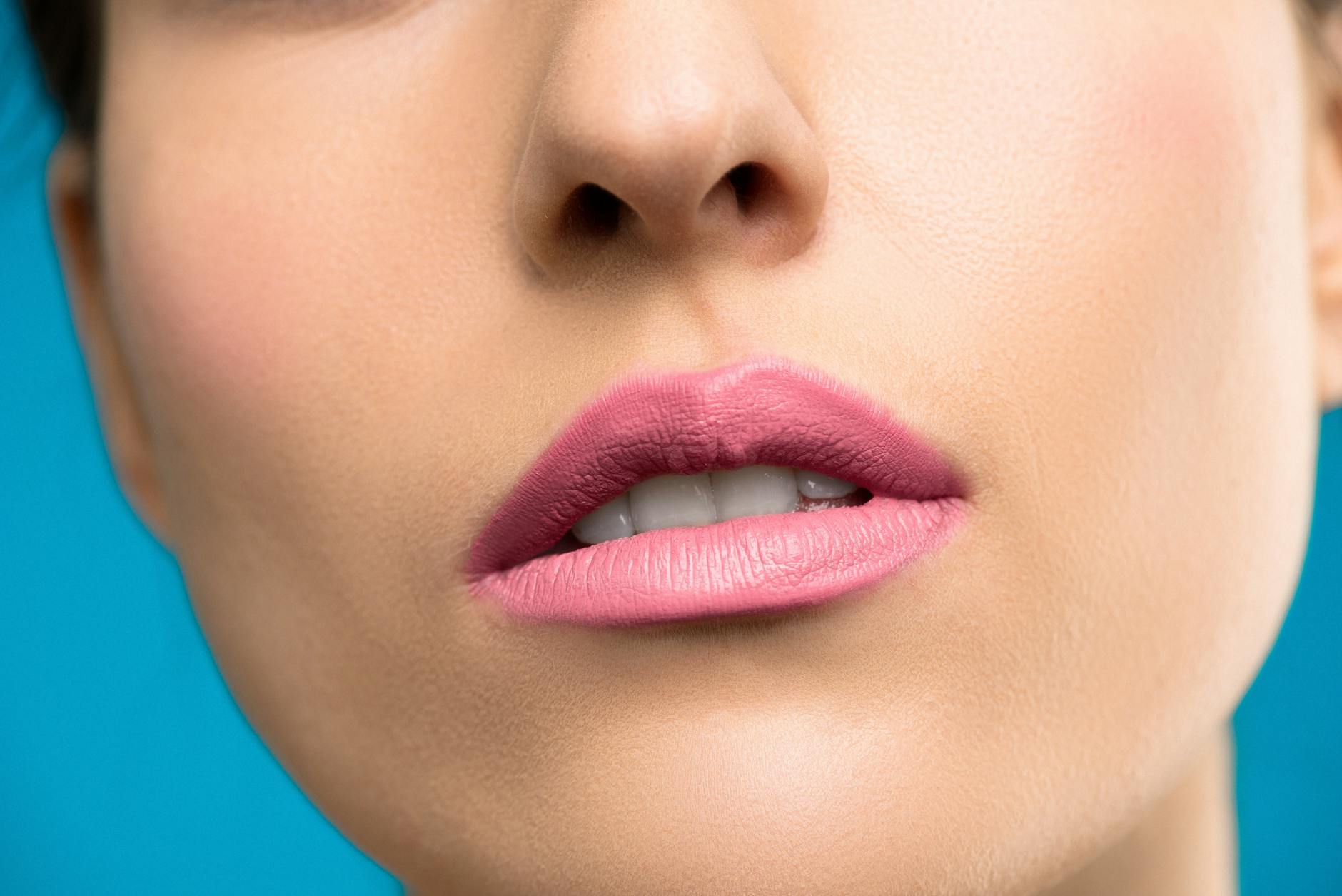
Dryness management becomes a daily priority almost immediately. For lips, standard chapstick typically proves insufficient; most patients need heavier occlusive products like Aquaphor, Vaseline, or lanolin-based balms applied multiple times daily. Keeping a lip product accessible at all times””bedside, in pockets, at your desk””prevents the cracking and bleeding that occur when lips go unprotected for even a few hours. One practical approach: apply a thick layer before bed and again first thing in the morning as non-negotiable habits. Facial skincare requires simplification. This is not the time for active ingredients like retinoids (redundant and irritating with isotretinoin), vitamin C serums, or exfoliating acids.
A gentle, non-foaming cleanser and a rich moisturizer form the foundation. Some patients do well with a lighter moisturizer in the morning under sunscreen and a heavier cream at night. CeraVe, Vanicream, and La Roche-Posay Toleriane are commonly recommended product lines, though fragrance-free options from any reputable brand work similarly. The tradeoff with heavier moisturizers is potential for milia””small white bumps caused by trapped keratin””especially around the eyes. If you notice these developing, switching to a lighter product in problem areas while maintaining heavier coverage on drier zones offers a middle ground. Body skin also dries significantly; applying lotion immediately after showering while skin is still damp helps lock in moisture more effectively than waiting until skin is fully dry.
Blood Tests and Monthly Monitoring: What Happens at Your First Follow-Up
The one-month appointment isn’t just a prescription refill””it’s a checkpoint for safety monitoring. Isotretinoin can elevate liver enzymes and blood lipids (cholesterol and triglycerides), which is why blood work is required before starting treatment and typically repeated monthly, at least initially. Most patients show no concerning changes, but catching abnormalities early allows for dose adjustments before they become problematic. For example, a patient whose triglycerides rise from 150 to 250 mg/dL at the one-month mark might continue treatment with dietary modifications and repeat testing in two weeks.
However, a patient whose levels spike to 500 mg/dL would likely need a dose reduction or temporary pause, as severely elevated triglycerides carry risks including pancreatitis. These scenarios illustrate why skipping appointments or blood work isn’t advisable””the monitoring exists to catch precisely these situations. Your dermatologist will also assess your side effects, mental health, and for patients who can become pregnant, confirm ongoing use of required contraception methods and negative pregnancy tests. If you’re struggling with dryness, mood changes, muscle aches, or any other symptoms, this appointment is the time to discuss them. Many side effects have management strategies, but your provider can’t help with issues they don’t know about.
When to Worry: Side Effects That Require Immediate Attention
While most Accutane side effects are uncomfortable but manageable, certain symptoms require prompt medical attention. Severe headaches””especially those accompanied by visual changes, nausea, or that worsen when lying down””can indicate increased intracranial pressure (pseudotumor cerebri), a rare but serious condition. This risk increases when isotretinoin is combined with tetracycline antibiotics, which is why that combination is contraindicated. Mood changes occupy a controversial space in Accutane discussions. Research hasn’t definitively established whether isotretinoin directly causes depression or suicidal ideation, and many patients with severe acne have pre-existing psychological distress that may or may not shift during treatment.
That said, any new or worsening depression, anxiety, mood swings, or thoughts of self-harm should be reported immediately. Your dermatologist can help determine next steps, which might include continuing treatment with mental health support, reducing dose, or discontinuing if warranted. Other warning signs include severe abdominal pain (potential pancreatitis), muscle weakness rather than just achiness, hearing changes, or signs of an allergic reaction like facial swelling or difficulty breathing. The limitation here is that the list of possible side effects is long, and not every unusual symptom signals danger. When uncertain, err toward contacting your provider’s office””they’d rather field a cautious question than miss something important.

Comparing Progress: Low-Dose Versus Standard-Dose Accutane at One Month
Patients on lower doses (sometimes called “low-dose Accutane,” typically 10-20mg daily or every other day) often experience milder side effects and slower progress than those on standard weight-based dosing. At one month, a patient on 10mg daily might notice only mild lip dryness and no purge, while someone on 1mg/kg/day (roughly 60-80mg for many adults) could have pronounced dryness and a significant initial flare.
This difference reflects a tradeoff: lower doses are more tolerable but may require longer treatment courses to reach cumulative dose targets associated with lasting remission. Some dermatologists prefer starting low and increasing gradually; others begin at target doses immediately. Neither approach is universally superior””the right choice depends on your acne severity, tolerance for side effects, and how quickly you want to complete treatment.
Setting Expectations for Month Two and Beyond
As you finish your first month, the coming weeks typically bring gradual improvement. Many patients notice their skin starting to calm””fewer new lesions, existing breakouts healing””somewhere between weeks six and ten. By month three, the majority see meaningful clearing, though full results often take the complete treatment course of five to seven months.
Looking ahead, maintaining realistic expectations protects against premature discouragement. Progress often isn’t linear; you might have a good week followed by new breakouts, then another stretch of improvement. Documenting your skin with periodic photos helps reveal overall trends that day-to-day observation misses. The one-month point, challenging as it may feel, is simply the foundation for changes that build over the following months.
Conclusion
One month into Accutane, visible acne improvement is the exception rather than the rule. The first four weeks are characterized by adaptation””your body adjusting to reduced oil production while potentially pushing existing clogged pores to the surface. Dry lips, dry skin, and stable or worsening acne represent normal progress at this stage. The side effects, frustrating as they are, indicate the medication is physiologically active.
Managing expectations and side effects while maintaining communication with your dermatologist sets the stage for successful treatment. Keep up with moisturizing routines, attend monthly appointments, complete required blood work, and report any concerning symptoms promptly. The transformation most patients hope for lies ahead, typically becoming evident by months two through four, with final results appearing after the full treatment course. Month one is about laying groundwork, not achieving results.