Accutane (isotretinoin) does not directly improve boxcar scars that already exist, and anyone expecting their pitted scars to fill in during a course of isotretinoin is going to be disappointed. What Accutane does accomplish is halting the severe cystic acne that causes boxcar scars in the first place, which prevents new scarring from forming while you plan actual scar revision treatments. A patient who finishes a six-month Accutane course might notice their skin texture looks somewhat smoother because active inflammation has resolved and the skin is no longer producing new lesions, but the depressed, sharp-edged boxcar scars themselves remain largely unchanged in depth and dimension. That said, Accutane plays a critical indirect role in boxcar scar outcomes.
Dermatologists will not perform most resurfacing procedures, subcision, or laser treatments on skin that is still actively breaking out with cystic acne. Getting on isotretinoin and achieving clearance is often the necessary first step before any real scar work can begin. For example, a patient with moderate-to-severe cystic acne on the cheeks who also has a dozen boxcar scars will typically need to complete their Accutane course and then wait at least six months post-treatment before starting fractional laser sessions. This article covers how Accutane interacts with scar formation, what boxcar scars actually require for meaningful improvement, the waiting period after isotretinoin, and which combination approaches deliver the best long-term results.
Table of Contents
- Does Accutane Actually Improve Boxcar Scars on Its Own?
- Why Dermatologists Require an Accutane Waiting Period Before Scar Treatment
- Which Scar Treatments Actually Work for Boxcar Scars After Accutane
- Building a Realistic Treatment Timeline After Completing Accutane
- When Accutane Might Make Existing Scars Look Worse
- The Role of Skincare Between Accutane and Scar Procedures
- Emerging Approaches and What to Expect in the Coming Years
- Conclusion
- Frequently Asked Questions
Does Accutane Actually Improve Boxcar Scars on Its Own?
The short answer is no, not in any structurally meaningful way. Boxcar scars are atrophic scars characterized by broad, depressed areas with sharply defined vertical edges. They result from the destruction of collagen and tissue during severe inflammatory acne. Isotretinoin works by shrinking sebaceous glands, drastically reducing sebum production, and normalizing skin cell turnover within pores. None of these mechanisms rebuild lost dermal tissue or stimulate the type of deep collagen remodeling needed to raise a depressed scar. A 2019 retrospective review published in the Journal of the American Academy of Dermatology confirmed that while isotretinoin dramatically reduces new acne lesions, existing atrophic scars showed no statistically significant depth improvement during or after treatment.
What patients sometimes perceive as scar improvement on accutane is actually the resolution of post-inflammatory erythema and active swelling around recent lesions. When a cystic nodule has been sitting on the cheek for three weeks, the surrounding tissue is inflamed, red, and distorted. Once that calms down, the area looks better, but any tissue destruction that already occurred has left its mark. Compare this to icepick scars, which are narrower and deeper. Neither type responds to isotretinoin as a standalone scar treatment. The distinction matters because some patients delay pursuing effective scar treatments under the assumption that Accutane will handle both the acne and the scarring.

Why Dermatologists Require an Accutane Waiting Period Before Scar Treatment
One of the most frustrating aspects of treating boxcar scars in patients with active severe acne is the mandatory waiting period after isotretinoin. Most dermatologists and plastic surgeons require patients to be off Accutane for a minimum of six months before undergoing ablative laser resurfacing, deep chemical peels, or dermabrasion. The reason is that isotretinoin fundamentally alters the skin’s ability to heal. It thins the epidermis, suppresses sebaceous gland function, and impairs wound healing at the dermal level. Performing an aggressive resurfacing procedure on isotretinoin-altered skin carries a significantly higher risk of hypertrophic scarring, delayed healing, and hyperpigmentation.
However, this waiting period is not universally rigid for all procedures. Some practitioners will perform non-ablative fractional laser treatments, microneedling at conservative depths, or filler injections for individual boxcar scars before the full six months have elapsed, particularly if the patient has been off isotretinoin for three to four months and shows normal healing on test spots. The key variable is the aggressiveness of the procedure. A full-face ablative CO2 laser session demands fully competent wound healing, while a single pass of non-ablative fractional erbium at low density poses considerably less risk. If you are eager to begin scar treatment and have recently finished Accutane, discuss the specific procedure’s risk profile with your dermatologist rather than assuming a blanket six-month rule applies to everything.
Which Scar Treatments Actually Work for Boxcar Scars After Accutane
The treatments that deliver real, measurable improvement in boxcar scars are mechanical and energy-based interventions that force the skin to rebuild collagen in the depressed areas. Subcision, where a needle is inserted beneath the scar to release fibrotic bands tethering it to deeper tissue, is often the first-line treatment for boxcar scars with a tethered base. A dermatologist treating a patient with eight boxcar scars across both cheeks might perform subcision on each scar, then follow up four weeks later with a session of fractional CO2 laser to stimulate collagen remodeling across the broader surface. The combination approach consistently outperforms either treatment alone in clinical studies. TCA CROSS (trichloroacetic acid chemical reconstruction of skin scars) is another effective option, though it works best for narrow, well-defined scars rather than broad boxcar depressions. For wider boxcar scars, punch excision or punch elevation can be remarkably effective.
In punch elevation, a dermatologist uses a punch biopsy tool to cut around the scar base, elevates the depressed tissue to the level of the surrounding skin, and allows it to heal flush. A patient with three deep boxcar scars on the temple, for instance, might see dramatic improvement from punch elevation combined with a subsequent laser session to blend the treated areas with the surrounding texture. Dermal fillers, particularly hyaluronic acid fillers like Restylane, can provide immediate volumetric improvement in boxcar scars by physically raising the depressed area. The limitation is that fillers are temporary, typically lasting six to eighteen months depending on the product and location, and they address the appearance rather than the structural deficit. Some practitioners use Bellafill, a semi-permanent filler with polymethylmethacrylate microspheres, for acne scars specifically because of its longevity. It received FDA approval for this indication.

Building a Realistic Treatment Timeline After Completing Accutane
The practical reality is that achieving meaningful improvement in boxcar scars after Accutane is a process measured in months to years, not weeks. A realistic timeline for a patient finishing a standard six-month isotretinoin course might look like this: months one through six post-Accutane are the waiting and planning period, during which you maintain a gentle skincare routine and consult with a dermatologist or scar specialist about your specific scar types and treatment options. Around month six or seven, you begin your first procedural treatment, which might be subcision for tethered scars or a conservative fractional laser session. Most patients need three to six treatment sessions spaced four to eight weeks apart to achieve noticeable improvement in boxcar scars.
Each session might yield ten to twenty percent improvement in scar depth, with cumulative results building over time. The tradeoff between aggressive and conservative treatment is significant. A single deep ablative CO2 laser session might produce thirty to forty percent improvement in one treatment but requires seven to fourteen days of significant downtime with oozing, crusting, and redness lasting weeks to months. In contrast, a series of non-ablative fractional laser sessions produces comparable cumulative results with only two to three days of mild redness per session but requires more total sessions. For someone who cannot take extended time away from work or social obligations, the conservative route often makes more practical sense despite the longer overall timeline.
When Accutane Might Make Existing Scars Look Worse
A concern that catches some patients off guard is that Accutane can temporarily make existing scars more visually prominent. Isotretinoin dries out the skin significantly and thins the epidermis. When the skin surrounding a boxcar scar becomes thinner and drier, the scar’s depth can appear more noticeable by contrast. The shadows cast by the scar edges become sharper when there is less plump, hydrated tissue around them. This is not actual worsening of the scar.
The scar has not gotten deeper. But the visual effect is real and can be distressing. Additionally, patients who develop the retinoid dermatitis common on Accutane, with widespread peeling, redness, and irritation, may find that the textural irregularity of their skin draws more attention to existing scars. Some patients report that during the worst of the initial purge phase, when dormant cystic lesions come to the surface, new scarring can form from these purge lesions, potentially adding to the scar burden. This is a genuine risk of isotretinoin treatment and represents a limitation that prescribers should discuss. A patient whose acne is causing scarring with every new lesion is in a difficult position: delaying Accutane risks more scarring from ongoing breakouts, but the purge phase itself could cause additional scars.
The Role of Skincare Between Accutane and Scar Procedures
The months between finishing Accutane and beginning scar treatments are not dead time. This is when patients should focus on restoring their skin barrier, rebuilding moisture levels, and optionally introducing topical retinoids at low concentrations to maintain acne clearance and support collagen turnover. A patient might transition from their Accutane-era gentle cleanser and heavy moisturizer to incorporating tretinoin 0.025% cream three nights per week starting around month two or three post-Accutane, gradually increasing frequency as tolerance builds.
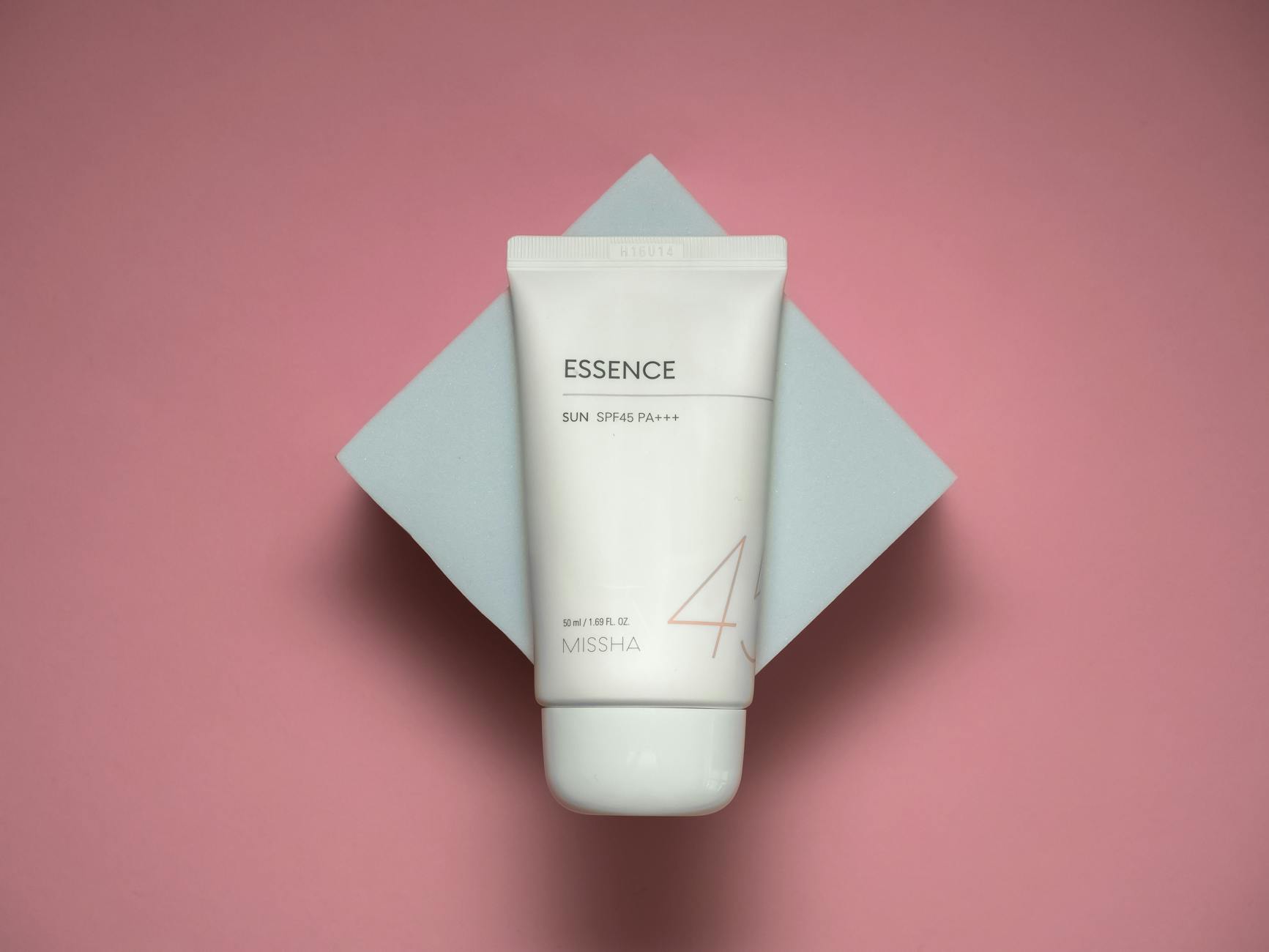
Tretinoin at maintenance doses will not fill in boxcar scars, but it supports the overall skin quality that helps procedural treatments work more effectively. Sunscreen is non-negotiable during this period. Post-isotretinoin skin is particularly susceptible to hyperpigmentation, and any UV damage sustained during the waiting period will complicate subsequent laser or peel treatments. Broad-spectrum SPF 30 or higher, applied daily, is the single most protective step a patient can take.
Emerging Approaches and What to Expect in the Coming Years
The scar treatment landscape is evolving in ways that may change the calculus for post-Accutane boxcar scar patients. Radiofrequency microneedling devices like Morpheus8 and Vivace have shown promising results for atrophic acne scars with potentially shorter post-isotretinoin waiting periods than ablative lasers, though long-term comparative data is still being collected. Some early studies suggest that combining platelet-rich plasma with microneedling improves collagen induction in atrophic scars compared to microneedling alone, though the evidence base remains mixed and the additional cost is significant.
Gene expression research into why certain individuals scar more readily from acne may eventually lead to preventive treatments that could be administered alongside isotretinoin, potentially reducing scar formation even during the purge phase. For now, the practical takeaway is that boxcar scar treatment after Accutane requires patience, realistic expectations, and a willingness to commit to a multi-session treatment plan. The results can be genuinely meaningful, with many patients achieving fifty to seventy percent improvement in scar severity through well-planned combination approaches.
Conclusion
Accutane remains the most effective treatment for severe cystic acne, and its role in preventing new boxcar scars from forming is invaluable. But it is not a scar treatment in itself, and patients who expect their existing boxcar scars to improve on isotretinoin alone will be left waiting for changes that are not coming. The real path to boxcar scar improvement runs through procedural interventions like subcision, fractional lasers, TCA CROSS, punch techniques, and fillers, nearly all of which require completing Accutane and observing a waiting period before they can safely begin.
The most important step you can take after finishing Accutane is to schedule a consultation with a dermatologist who specializes in scar revision, not just acne management. Have an honest conversation about which of your scars are boxcar versus rolling versus icepick, because each type responds differently to treatment. Get a realistic assessment of how many sessions you will need, what kind of downtime to expect, and what percentage of improvement is reasonable for your specific scar severity. Armed with that information, you can build a treatment plan that makes practical and financial sense rather than chasing vague promises of perfect skin.
Frequently Asked Questions
Will my boxcar scars fill in naturally after finishing Accutane?
No. Boxcar scars represent permanent tissue loss in the dermis, and isotretinoin does not stimulate the kind of deep collagen rebuilding needed to raise depressed scars. Some superficial textural irregularities may improve as inflammation resolves, but true boxcar scars require procedural intervention.
How long after Accutane can I start laser treatment for boxcar scars?
The standard recommendation is six months after your last dose of isotretinoin before undergoing ablative laser treatments. Some dermatologists will consider non-ablative procedures or microneedling at conservative settings after three to four months, depending on how your skin is healing.
Can I get filler injections in boxcar scars while still on Accutane?
Some practitioners will perform filler injections during or shortly after Accutane since fillers do not rely on wound healing the way lasers and peels do. However, the dry, sensitive skin on isotretinoin may increase bruising and discomfort at injection sites. Discuss timing with your prescriber.
Is microneedling safe after Accutane?
Microneedling at shallow depths may be considered earlier than ablative lasers, but aggressive microneedling sessions with needle depths exceeding 1.5mm should follow the same six-month waiting period. Conservative protocols at 0.5 to 1.0mm depth carry less risk, though individual healing capacity varies.
How many treatment sessions will I need to see real improvement in boxcar scars?
Most patients require three to six sessions of their primary treatment modality, spaced four to eight weeks apart. Combination approaches using subcision plus laser or microneedling tend to produce better results than any single treatment repeated in isolation. Expect the full treatment course to span six to twelve months.
Does Accutane prevent future boxcar scarring permanently?
Accutane dramatically reduces acne for most patients, and many experience long-term or permanent clearance. If acne does not return, no new scarring occurs. However, roughly twenty to thirty percent of patients experience some degree of acne relapse, and a second course of isotretinoin may be warranted in those cases.