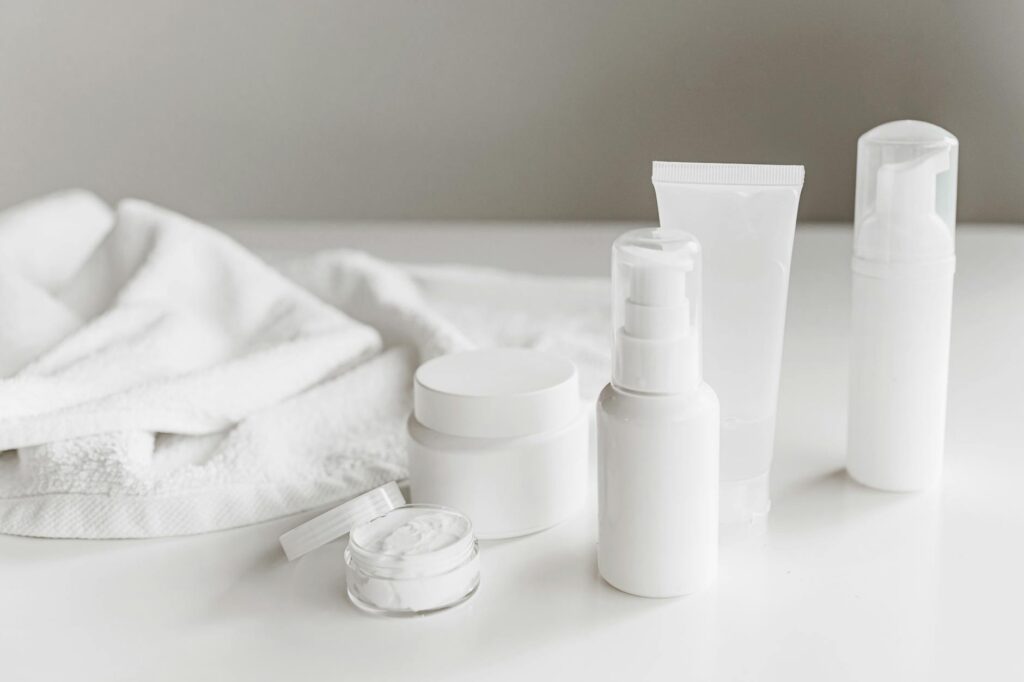
Layering too many skincare products triggers breakouts because it overwhelms your skin’s ability to absorb and process ingredients, leading to product buildup, clogged pores, and weakened barriers that invite bacteria and irritation. When you apply multiple actives—serums, acids, retinoids, vitamin C—simultaneously, they don’t work harder; they work against each other, causing inflammation, redness, peeling, and the very breakouts you’re trying to prevent. This happens because each product contains various active ingredients whose combinations can create adverse reactions, and the sheer volume of products prevents your skin from absorbing any of them effectively.
The problem has become increasingly common in 2025, as experts observe a spike in compromised skin barriers directly linked to overzealous skincare routines. Many people build 8-to-10-product regimens believing “more is better,” but this approach leads to sensitivity, premature aging, and persistent acne. This article explains exactly why layering too many products backfires, which ingredient combinations are most dangerous, how to identify if you’re overdoing it, and how to build an effective routine that actually works.
Table of Contents
- How Does Product Overload Damage Your Skin Barrier?
- Why Does Product Buildup Cause Clogged Pores?
- What Ingredient Combinations Create the Most Problems?
- How Many Products Is Actually Safe to Layer?
- Why Does the 2025 Niacinamide Trend Make This Worse?
- What Does a Simplified Routine Actually Look Like?
- The Future of Skincare Is Fewer, Better Products
- Conclusion
How Does Product Overload Damage Your Skin Barrier?
Your skin barrier is a protective layer that keeps moisture in and irritants out. When you use too many active ingredients at once, you compromise this barrier, allowing bacteria and irritants to penetrate more easily and trigger inflammation and breakouts. Overuse of actives—whether acids, retinoids, or vitamin C serums—weakens the barrier by stripping away natural oils and damaging the lipid layer that holds skin cells together. This isn’t a gradual wear; it’s an accelerated breakdown that happens within weeks of aggressive layering.
A practical example: someone with oily, acne-prone skin might use a salicylic acid cleanser, a niacinamide toner, a BHA serum, a vitamin C serum, a retinol treatment, and a lightweight moisturizer—all targeting the same issues but from different angles. The skin can’t handle this onslaught. Instead of clearing breakouts, it becomes irritated, red, and actually breaks out more because the damaged barrier is now inflamed and vulnerable. The skin responds by either overproducing oil to compensate for the stripped barrier, or by becoming dry and flaky, which still leads to congestion and breakouts.
Why Does Product Buildup Cause Clogged Pores?
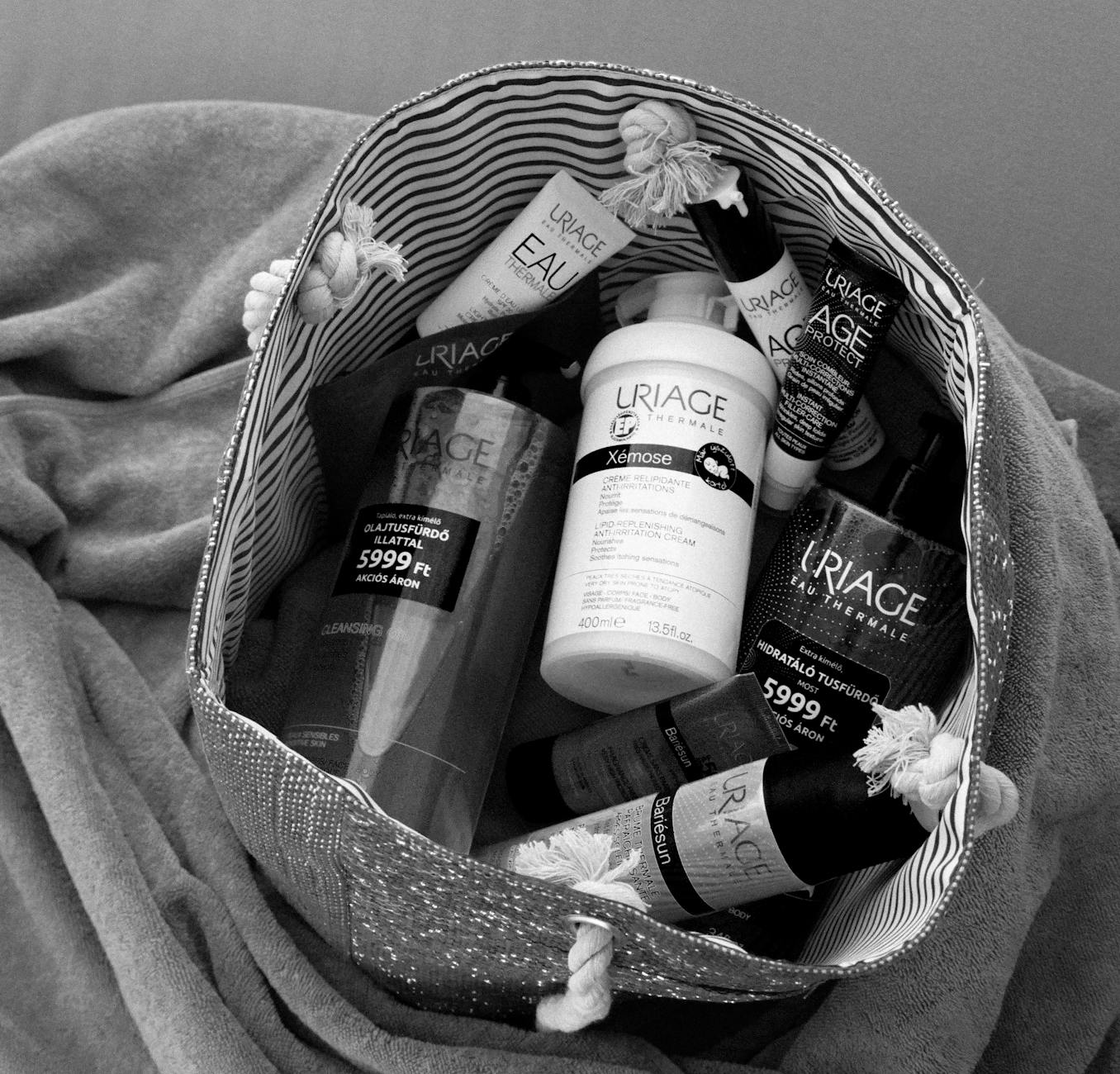
When you layer multiple products without giving your skin time to absorb each layer, the ingredients don’t penetrate—they sit on the surface and accumulate. This buildup prevents your skin from absorbing the actives that are supposed to help you, making every product less effective while simultaneously clogging your pores with a mixture of layered formulations, oil, and dead skin cells. Your skin can only absorb so much at once; exceeding that capacity means the excess just clogs pores and traps bacteria.
Additionally, many modern skincare products share common ingredients, so you might be using the same active multiple times without realizing it. Niacinamide, for instance, appears in nearly every product now—cleansers, toners, serums, sunscreens—and daily layering of niacinamide from multiple sources creates an overload that weakens the skin barrier, causing irritation, burning, redness, and breakouts. However, if you’re using niacinamide from just one product (a single serum or moisturizer), it’s generally well-tolerated and can actually help reduce sebum production and inflammation. The danger is in the cumulative dose across your entire routine.
What Ingredient Combinations Create the Most Problems?
Not all ingredient pairs are created equal. The most dangerous combinations involve mixing strong actives like retinoids with acids or vitamin C, especially when layered without proper spacing and without understanding how they interact. Retinol already irritates skin by increasing cell turnover; add an AHA or BHA on top, and you’re essentially double-stressing skin cells. Add vitamin C serum, which can be destabilizing if the pH isn’t perfectly balanced, and you’ve created a recipe for barrier damage and reactive breakouts.
Another common mistake is layering multiple types of acids—benzoyl peroxide, salicylic acid, and glycolic acid in the same routine. While each might be effective alone, together they create excessive exfoliation and inflammation. Your skin can handle one exfoliating active per day, maybe two if you’re experienced and spacing them out morning and evening. But applying three or more simultaneously, especially at full strength, overwhelms skin and leads to sensitization. The inflammatory response manifests as redness, peeling, dryness, and breakouts that seem to come out of nowhere.

How Many Products Is Actually Safe to Layer?
Dermatologists recommend starting with a 2-to-3 step routine: a cleanser, a moisturizer, and an SPF. This foundation allows you to identify which products work for your skin and establish baseline results. From there, you can thoughtfully add one active ingredient at a time—give it 4-6 weeks to assess results, then decide if you want to add another. Many people jump to 8-to-10 product routines without doing this systematic testing, which is why they experience unexpected breakouts and skin issues.
The practical difference between a 3-step and a 9-step routine is absorption time and ingredient conflicts. A 3-step routine takes 2-3 minutes and allows each product to absorb; a 9-step routine takes 10-15 minutes and leaves layers of product sitting on your skin that never fully absorb. Products should have 30-60 seconds between layers to absorb properly and reduce irritation. If you’re rushing through a 10-product routine, you’re definitely not waiting between layers, which means buildup and reduced efficacy. The tradeoff is that a longer routine feels like better skincare—like you’re doing more—but a shorter routine with fewer, better-chosen products actually delivers better results.
Why Does the 2025 Niacinamide Trend Make This Worse?
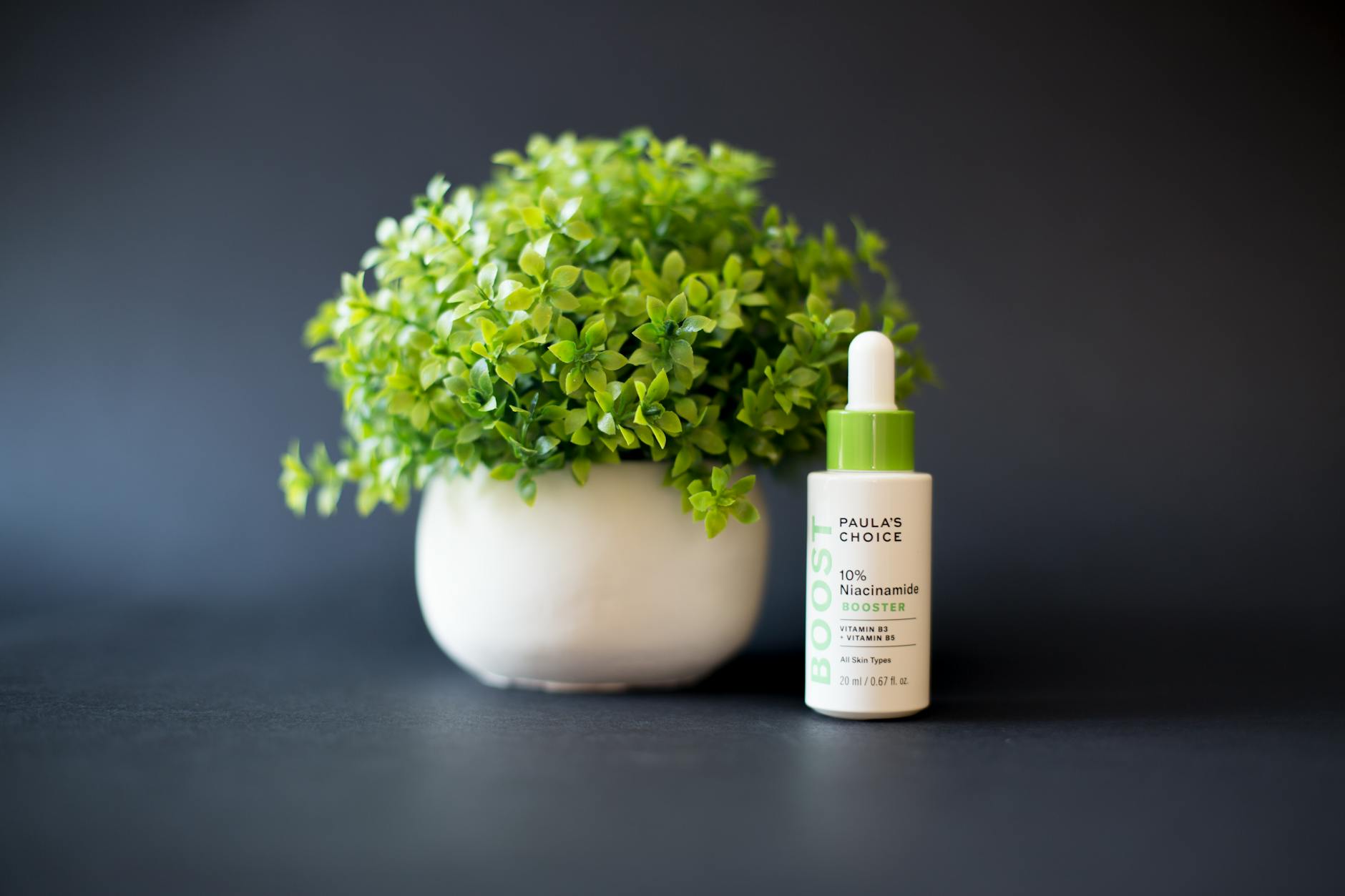
Niacinamide has become a trending ingredient because it genuinely helps with oiliness, inflammation, and barrier health. Unfortunately, this popularity means it’s now in almost every skincare product, creating an accidental overdose scenario. If you’re using a niacinamide cleanser, niacinamide toner, niacinamide serum, and niacinamide moisturizer, you’re getting far more niacinamide than your skin needs. Excessive niacinamide can trigger burning, irritation, redness, and breakouts—the exact opposite of what you wanted.
The warning here is specific: check your ingredients labels before buying new products. You might think you’re solving a problem by adding a new serum, but if it contains niacinamide and you’re already using niacinamide in your routine, you’re actually making things worse. If you notice itching, burning, or a stinging sensation when you apply your routine, niacinamide overload is a likely culprit. Reduce to one niacinamide product (usually a serum or moisturizer) and give your skin two weeks to settle before drawing conclusions about whether the ingredient works for you.
What Does a Simplified Routine Actually Look Like?
A high-performing routine doesn’t require complexity. Consider: a gentle cleanser designed for your skin type, a targeted active (either an exfoliant OR a retinoid, not both simultaneously), a barrier-repairing moisturizer, and a sunscreen. This 4-step routine addresses cleansing, targeted treatment, hydration, and protection—the fundamentals of skincare. If you have specific concerns like hyperpigmentation or severe acne, add one more targeted product, but make it the only extra.
An example: oily, acne-prone skin might use a salicylic acid cleanser, a niacinamide serum (one product only), a lightweight gel moisturizer, and a gel sunscreen. Dry, sensitive skin might use a creamy cleanser, a gentle hydrating toner, a richer moisturizer with ceramides, and a mineral sunscreen. Notice that neither routine has 8+ products. Both address the skin’s actual needs without overwhelming it.
The Future of Skincare Is Fewer, Better Products
The skincare industry has pushed the idea that more products equal better results, but 2025 data shows the opposite: simpler routines with fewer, well-chosen products deliver better skin than complex 10-step rituals. This shift toward “skinimalism” reflects a broader understanding that skin barrier health is foundational—if your barrier is compromised, no amount of actives will help.
The future of skincare is personalization paired with restraint: understanding your skin’s actual needs and addressing only those, rather than using every trending ingredient. This doesn’t mean all multi-step routines are wrong; it means intention matters. A 5-or-6 product routine built on solid understanding of how ingredients work together is better than a 10-product routine built on trends and “because everyone uses it.” The skin doesn’t want novelty; it wants consistency, adequate hydration, appropriate actives, and protection from the sun.
Conclusion
Layering too many skincare products triggers breakouts by overwhelming your skin’s absorption capacity, creating ingredient buildup in pores, damaging your skin barrier, and causing inflammatory reactions to conflicting actives. The specific dangers include product buildup and clogged pores, ingredient conflicts that create redness and peeling, and accidental overdoses of trending ingredients like niacinamide. The 2025 trend of compromised skin barriers directly correlates with overambitious multi-product routines that people believe will solve their skin issues faster.
Start with a 2-to-3 step foundation, add one active ingredient at a time, and give each addition 4-6 weeks to show results before layering in something else. Space products 30-60 seconds apart during application to ensure absorption. Check your ingredient labels to avoid accidental overdoses of popular actives. A simpler routine built with intention will deliver better skin than a complex routine built on trend-chasing.