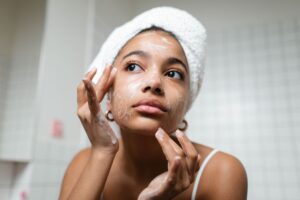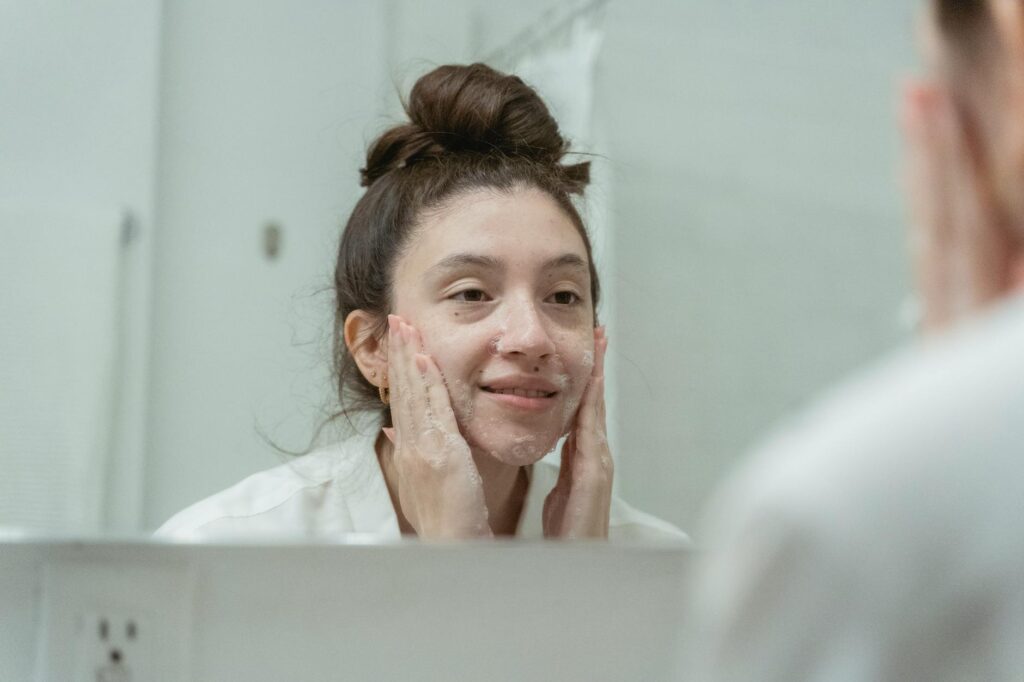
Foam cleansers can worsen acne because they strip away the skin’s natural oils, disrupt the protective barrier, and often contain alkaline ingredients that disrupt the skin’s pH balance. When you use a foaming cleanser on acne-prone skin, the surfactants are designed to cut through oil aggressively, but this aggressive action damages healthy skin cells and removes the sebum that protects against bacteria and irritation. For someone already dealing with inflamed breakouts, a harsh foam cleanser can trigger a cycle of barrier damage, increased sensitivity, and paradoxically, more oil production as the skin overcompensates for lost moisture. This article explores why foam cleansers backfire for many acne sufferers, which skin types are most vulnerable to this problem, and what gentler alternatives can actually improve your breakouts instead of worsening them.
Table of Contents
- How Foam Cleansers Strip Away Protective Oils and Damage the Skin Barrier
- The Irritation Cycle: Why Over-Stripping Leads to More Inflammation and Breakouts
- pH Imbalance and Why Many Foam Cleansers Push Skin Toward Acne
- Gentler Cleansing Alternatives That Actually Work for Acne-Prone Skin
- When Foam Cleansers Make Sense and When They Backfire
- Frequency Matters as Much as Formula
- Building a Complete Acne Routine Beyond Just Your Cleanser
- Conclusion
- Frequently Asked Questions
How Foam Cleansers Strip Away Protective Oils and Damage the Skin Barrier
The foaming action that makes cleansers feel effective is actually a sign of aggressive surfactants at work. Surfactants are detergent molecules that grab onto both oil and water, allowing them to be rinsed away together—but they don’t discriminate between acne-causing bacteria and the protective lipids your skin needs. When you use a foaming face wash twice daily on acne-prone skin, you’re removing sebum faster than your skin can naturally replenish it, which weakens the stratum corneum (the outermost layer of skin that acts as your barrier).
A weakened barrier becomes inflamed, more permeable to irritants, and paradoxically more prone to bacterial colonization because the healthy oils that have mild antimicrobial properties are gone. For example, someone with mild inflammatory acne might start using a foaming salicylic acid cleanser expecting it to clear their skin, but within a week they notice their skin feels tight, looks flaky, and their breakouts actually increase along the jawline and cheeks—areas that are already naturally drier. This happens because the foam cleanser removed too much oil, the skin barrier became compromised, and the skin responded by producing even more sebum to compensate, trapping bacteria in the process. The more aggressively you strip the skin, the harder it fights back.

The Irritation Cycle: Why Over-Stripping Leads to More Inflammation and Breakouts
Once the skin barrier is damaged by repeated use of harsh foam cleansers, you enter a problematic cycle. The exposed deeper layers of skin become inflamed, more sensitive to other skincare products, and more susceptible to bacterial overgrowth. Many people respond to increased breakouts by using even harsher cleansers or more frequent cleansing—which accelerates the damage.
Within two to three weeks, skin that was manageable becomes sensitive, irritated, and covered in new breakouts that are often different from the original acne (these are triggered by irritation and barrier damage, not by typical acne bacteria). However, if you have oily, thick skin with severe cystic acne caused by hormonal factors or genetic predisposition, a gentler cleanser alone won’t solve the underlying problem—you still need targeted acne treatments like retinoids or salicylic acid serums, just applied to healthy, non-compromised skin. The distinction matters: the goal is to treat acne without destroying the barrier in the process. Someone with mild acne and a naturally compromised barrier will see faster improvement switching to a creamy or micellar cleanser than someone with severe acne will see by using the same gentle approach, because barrier health and acne severity are different variables.
pH Imbalance and Why Many Foam Cleansers Push Skin Toward Acne
Healthy skin has a pH around 4.5 to 5.5 (slightly acidic), and this acidic environment supports beneficial bacteria and keeps the skin barrier intact. Many foaming cleansers are formulated with alkaline ingredients (pH 7 or higher) to create that satisfying lather, but this alkaline residue disrupts your skin’s natural pH. When skin pH rises above 6, it becomes a friendlier environment for acne-causing bacteria like *Cutibacterium acnes*, while beneficial skin bacteria struggle to survive.
Additionally, a higher pH increases water loss from the skin, making barrier damage worse and increasing inflammation. This pH disruption is particularly problematic when combined with acne treatments like benzoyl peroxide or salicylic acid, which are already acidic. Using a foaming cleanser followed by an acidic treatment means your skin is constantly being pushed between pH extremes, triggering inflammation and irritation. A cleanser with a pH closer to skin’s natural range (usually labeled as “pH-balanced” or between 5.0 and 5.5) helps maintain the conditions where your skin barrier and protective microbiome can thrive, making it easier for targeted acne treatments to work effectively without triggering a secondary wave of irritation-induced breakouts.
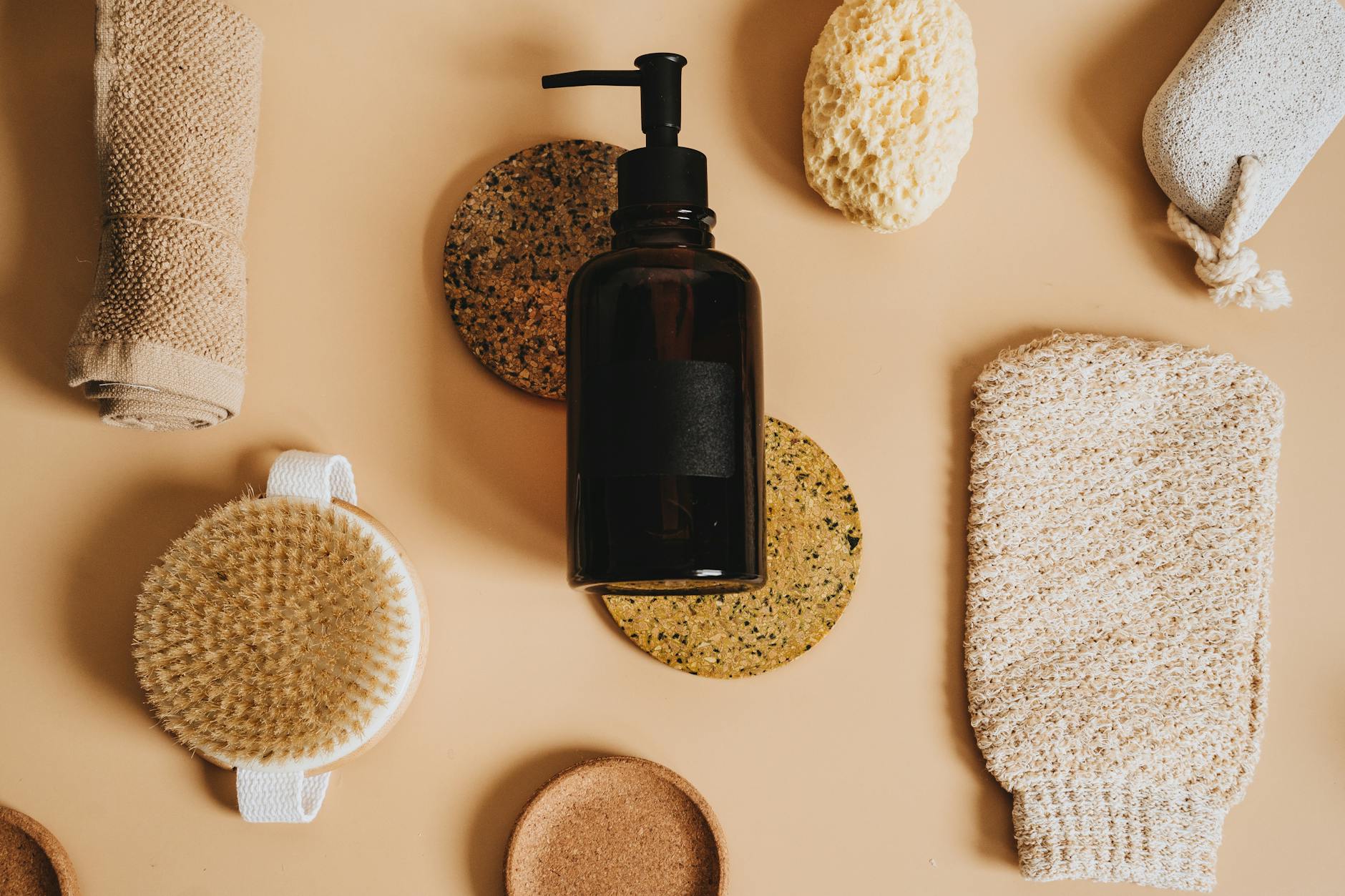
Gentler Cleansing Alternatives That Actually Work for Acne-Prone Skin
The most effective cleansers for acne-prone skin are typically non-foaming formulas: cream cleansers, oil cleansers, micellar water, or gel cleansers without sulfates. Cream cleansers remove makeup and oil without stripping, leaving a slight protective residue. Oil cleansers (often misunderstood) actually dissolve acne-causing sebum more effectively than water-based cleansers do, though they require a second cleanse with water or micellar water to fully rinse.
Gel cleansers can be gentle if they don’t contain sulfates like SLS (sodium lauryl sulfate) or SLES, which are the most common irritating surfactants in foaming formulas. The trade-off is that non-foaming cleansers may feel less “clean” at first because you’re not getting that squeaky-tight sensation—but that squeaky feeling is actually a sign of barrier damage and dehydration, not cleanliness. It typically takes two to three weeks of using a gentler cleanser for the skin barrier to recover and for breakouts to improve. For someone with active, severe acne, patience with a gentler cleanser combined with targeted acne treatments (like a retinoid or azelaic acid serum) produces better results than harsh cleansing plus acne treatments, because you’re not fighting barrier damage while trying to heal breakouts.
When Foam Cleansers Make Sense and When They Backfire
Not everyone should avoid foam entirely. Someone with very oily, thick, non-sensitive skin and mild blackheads might benefit from a gentle foaming cleanser because their skin barrier is naturally resilient and they’re not prone to irritation. The problem arises for people with combination skin, sensitive skin, compromised barriers, active acne, or dry skin—these individuals will almost always see worsening acne with foam cleansers. If your skin feels tight, looks flaky, or burns when you apply other products after foaming cleansing, that’s a clear signal your cleanser is too harsh.
A critical limitation to keep in mind: switching to a gentle cleanser alone won’t cure acne. If you have hormonal acne, cystic breakouts, or severe inflammatory acne, you still need acne-targeted treatments like benzoyl peroxide, salicylic acid, or retinoids. What a gentle, non-foaming cleanser does is remove the barrier damage variable, so your other acne treatments can work without triggering secondary irritation. This is especially important when using prescription acne medications like tretinoin or oral antibiotics, where a compromised barrier increases the risk of side effects and reduces efficacy.

Frequency Matters as Much as Formula
Beyond the type of cleanser, how often you cleanse dramatically affects whether you develop barrier damage and irritation-triggered breakouts. Cleansing twice daily is standard advice, but for acne-prone skin with a compromised barrier, once-daily gentle cleansing (usually at night) is often sufficient, with just water or a gentle micellar rinse in the morning.
Over-cleansing is one of the most common mistakes that trap people in the acne-worse cycle: they cleanse morning and night with a harsh foam, their skin barrier deteriorates, they develop more acne, and they respond by adding a third cleanse or using the cleanser even more aggressively. For example, someone using a foaming acne cleanser morning, midday, and night due to excessive oil production will likely see their acne worsen after two weeks, even though the cleanser contains acne-fighting ingredients. The solution isn’t a “stronger” cleanser—it’s reducing frequency and switching to a gentler formula so the barrier can stabilize, and then addressing the excess oil with non-stripping solutions like a lightweight, non-comedogenic moisturizer or targeted treatments that reduce sebum production without barrier damage.
Building a Complete Acne Routine Beyond Just Your Cleanser
Your cleanser is only one piece of an acne regimen. The most common mistake people make is focusing heavily on the cleanser while neglecting the other steps. A harsh cleanser strips the barrier, then they apply acne treatments that are drying, and they skip moisturizer because they think moisture makes acne worse—this guarantees continued breakouts.
An effective routine starts with a gentle cleanser (to protect the barrier), followed by a water-based or lightweight acne serum if needed (like salicylic acid or niacinamide), then a non-comedogenic moisturizer (to seal the barrier), and sunscreen during the day. Research and clinical experience increasingly show that people with acne who prioritize barrier health and moisture alongside targeted acne treatments clear their skin faster than those using harsh cleansing regimens. As dermatology continues to shift away from the outdated “strip the skin to fight acne” model and toward barrier-respecting approaches, non-foaming cleansers are becoming standard in professional acne protocols, not an alternative for people with “sensitive skin.” If your current routine includes a foaming cleanser and your acne hasn’t improved despite months of use, switching the cleanser itself may be the single highest-impact change you can make.
Conclusion
Foam cleansers worsen acne for most people because they strip the skin barrier, disrupt pH balance, and trigger an inflammatory cycle that increases breakouts. The aggressive surfactants that create foam are efficient at removing oil, but they remove protective lipids alongside acne-causing sebum, compromising skin health in the process. Switching to a gentle, non-foaming cleanser is often the most effective and underrated change someone with acne can make—more impactful than chasing increasingly strong acne treatments on a damaged barrier.
The next step is to evaluate your current cleanser: if your skin feels tight, looks flaky, or continues breaking out despite using acne treatments, replace it with a gentle formula (cream, oil, gel, or micellar cleanser). Allow two to three weeks for your barrier to recover before assessing whether your acne has improved. Once your skin barrier is healthy, targeted acne treatments become significantly more effective and better tolerated, making barrier-respecting cleansing the foundation of any successful acne regimen.
Frequently Asked Questions
Is a foaming cleanser ever safe for acne-prone skin?
For most people with active acne or sensitive skin, no. However, if you have very oily, thick, resilient skin and only mild blackheads (not inflammatory breakouts), a gentle foaming cleanser without sulfates might work. The key is monitoring how your skin responds—if it feels tight, dry, or your acne worsens, stop immediately.
What’s the difference between a foaming cleanser and a non-foaming one?
The foam is created by sulfate surfactants like SLS and SLES. Non-foaming cleansers use milder surfactants or cleansing ingredients (like fatty alcohols or oils) that don’t strip as aggressively, so they don’t lather but are gentler on the barrier. Foaming does not equal cleaner—it’s just a texture preference.
Can I use a foaming cleanser if I moisturize afterward?
Moisturizer helps, but it doesn’t fully prevent barrier damage from harsh cleansing. The damage happens during cleansing, and moisturizer can only partially compensate. For barrier-compromised skin, switching the cleanser itself is more important than adding more layers afterward.
How long does it take to see improvement after switching to a gentle cleanser?
Two to three weeks is typical for the barrier to begin recovering and for irritation-triggered breakouts to decrease. If you have underlying hormonal or bacterial acne, you may still need targeted treatments (like retinoids or azelaic acid), but a gentle cleanser allows those treatments to work without secondary barrier damage.
What’s the best non-foaming cleanser for acne?
Gel cleansers without sulfates, cream cleansers, and micellar water are all effective. Choose based on your preferences—if you like a light feel, a sulfate-free gel works; if your skin is very dry, a cream cleanser is better. Non-foaming is more important than the specific formula, as long as it’s not comedogenic.
Should I still use acne treatments like salicylic acid or benzoyl peroxide if I switch to a gentle cleanser?
Yes, absolutely. A gentle cleanser removes the barrier-damaging variable, but it’s not an acne treatment itself. You still need targeted treatments for bacterial acne or inflammation—just apply them to healthy, non-compromised skin for better results and fewer side effects.