Your skin breaks out after travel or when moving to a new climate because your body is experiencing multiple simultaneous stressors—temperature changes, humidity shifts, altered sleep patterns, stress hormones, and different environmental pollutants all converge at once. For example, someone flying from a cool, humid coastal city to a hot, dry desert climate experiences increased sebum production from the heat, compromised skin barrier from low airplane cabin humidity, elevated cortisol from travel disruption, and exposure to different pollution particles and UV intensity—essentially a perfect storm for acne flare-ups.
This article explains the science behind why these environmental changes trigger breakouts, which specific factors matter most, and how they interact with your skin’s biology. When dermatologists refer to “travel acne,” they’re describing a measurable phenomenon driven by environmental physiology, not imagination. Research shows that a single 1°C increase in facial temperature increases sebum secretion by 10%, and when combined with humidity changes and stress, this effect amplifies significantly.
Table of Contents
- How Does Temperature and Humidity Drive Sebum Production and Bacterial Growth?
- Why Does Airplane Travel Create Acne Flare-Ups Specifically?
- What Role Do Sleep Disruption and Stress Hormones Play?
- How Do Pollution and UV Exposure Change When You Travel?
- How Do Diet Changes and Different Water Affect Acne During Travel?
- Why Do Multiple Environmental Triggers Create Worse Breakouts Than Single Changes?
- Building Environmental Resilience: Can You Adapt Your Skin to Travel?
- Conclusion
How Does Temperature and Humidity Drive Sebum Production and Bacterial Growth?
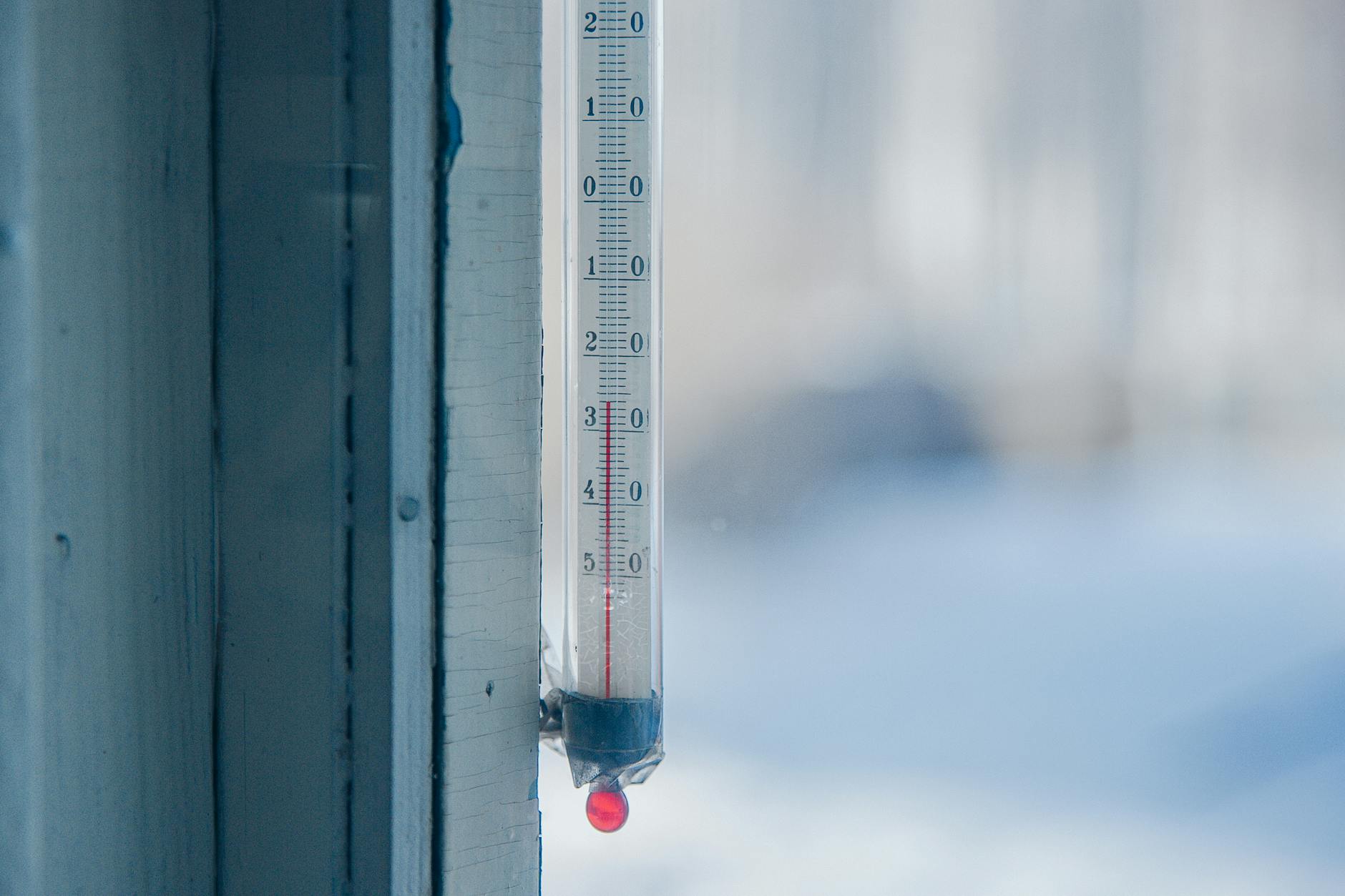
Temperature directly controls how much oil your skin produces. The relationship is quantifiable: for every 1°C increase in facial temperature, sebum secretion increases by 10%. Moving from a temperate climate to a warm destination doesn’t just feel different—it triggers a measurable biochemical shift in your pilosebaceous glands. Research published in the Journal of Cosmetic Dermatology found that among patients who noticed seasonal acne changes, 40.4% reported worse breakouts specifically in summer, and the correlation is strongest in climates with both heat and humidity.
Humidity amplifies this problem because it creates ideal conditions for bacterial growth. While high humidity alone isn’t necessarily bad—your skin needs moisture—the combination of warmth and humidity swells the pilosebaceous units (hair follicles) and promotes growth of *Cutibacterium acnes*, the bacteria primarily responsible for acne inflammation. Someone moving from Seattle’s mild 55°F climate to Phoenix’s 95°F heat experiences not just a small increase in sebum, but potentially a 40% jump in oil production, coupled with bacterial growth acceleration in swollen follicles. However, dry heat presents a different problem: it triggers a rebound effect. When moving to arid climates, skin loses moisture rapidly, which can trick your skin into overproducing sebum as a compensatory mechanism, even though the environment is the opposite of humid.
Why Does Airplane Travel Create Acne Flare-Ups Specifically?
Airplane cabins are an acne accelerant that many people don’t recognize. The cabin air is incredibly dry—humidity levels typically drop to 10-20%, far below the 30-65% range your skin prefers. This extreme dryness damages your skin barrier, triggering oil overproduction within hours. Even a six-hour flight is long enough to dehydrate your skin significantly, which then compensates by producing excess sebum during and after the flight. This mechanism is compounded by travel stress itself.
The cortisol surge from navigation stress, time zone changes, and sleep disruption during a flight elevates inflammatory hormones that increase both sebum production and skin sensitivity. You’re not just sitting in a dry environment—you’re sitting in a dry environment while your body floods with stress hormones, which activates inflammatory cytokines and compromises your skin barrier integrity. The result is often a breakout that appears 24-72 hours after landing, making travelers blame the destination when the damage happened in the cabin. Additionally, recirculated cabin air deposits particles and microorganisms on your skin that you wouldn’t normally encounter. Combined with the dehydration and stress response, this creates multiple simultaneous triggers rather than a single cause.
What Role Do Sleep Disruption and Stress Hormones Play?
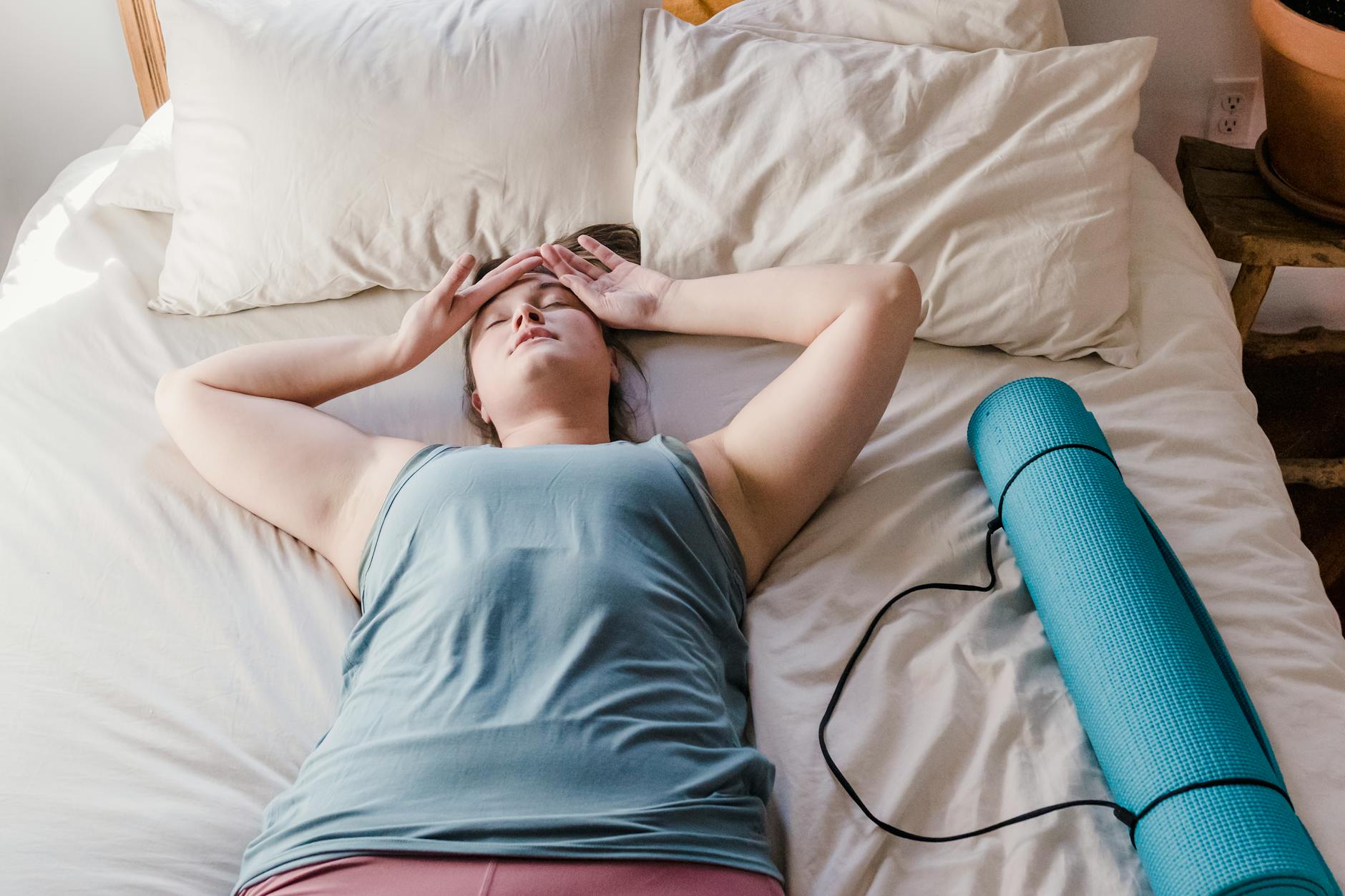
Sleep deprivation during travel elevates cortisol levels significantly, and cortisol directly increases sebum production and inflammatory responses in acne-prone skin. A single night of poor sleep measurably increases oil production; multi-day travel with time zone crossings can keep cortisol elevated for days. Your skin doesn’t just produce more oil—it becomes more inflamed and reactive because sleep loss compromises the skin barrier’s ability to maintain its protective function. The stress response extends beyond cortisol.
Psychosocial stress activates inflammatory cytokines (signaling proteins that promote inflammation) and disrupts the skin’s natural repair processes. Someone staying up late packing, waking up early for a flight, and arriving in a new time zone is essentially running a 48-hour stress test on their skin’s ability to maintain homeostasis. What makes this particularly tricky is that the timing is delayed and unpredictable. You might sleep fine on the plane, but the cortisol elevation from anticipatory stress before travel can trigger breakouts that don’t appear until after you’ve already arrived and blamed the destination.
How Do Pollution and UV Exposure Change When You Travel?
Different environments expose your skin to different pollution profiles. Moving to a major city exposes you to higher concentrations of PM2.5 particulates and nitrogen dioxide, which settle on your skin and clog pores. These pollution particles are small enough to penetrate the skin’s outer layers and trigger inflammation. Someone traveling from a rural area to an urban center experiences not just one environmental change (pollution), but often concurrent changes in humidity, temperature, and water quality—making it difficult to isolate which factor caused the breakout. UV exposure presents another variable.
Increased sun exposure (common during vacation travel) accelerates the shedding of dead skin cells. While some skin shedding is normal, excessive shedding causes the cells to pile up in follicles, creating plugged pores that develop into blackheads and inflammatory pimples. Interestingly, UV exposure also triggers a temporary increase in sebum production, so sunny vacations combine multiple acne-triggering mechanisms simultaneously. A crucial limitation: not all travelers experience UV-triggered breakouts equally. Darker skin tones are more prone to post-inflammatory hyperpigmentation from acne triggered by UV, but lighter skin types tend to experience more inflammation from the UV exposure itself. Your genetic predisposition and skin type determine which environmental factors hit hardest.
How Do Diet Changes and Different Water Affect Acne During Travel?
Travel almost always involves dietary changes, and many foods consumed while traveling are high in refined carbohydrates. These cause rapid blood sugar spikes, triggering hormonal responses that increase sebum production and inflammation. A typical vacation diet—airport food, restaurant meals, unfamiliar local foods—is rarely optimized for acne prevention, and this dietary shift alone can trigger breakouts within 24-48 hours. Water quality changes matter more than most people realize.
Chlorinated water (common in pools and higher-chlorine municipal water systems) can irritate acne-prone skin, while hard water (water with high mineral content) may alter your skin’s pH balance and cause irritation. Someone moving from soft water to hard water, or spending time in chlorinated pools while traveling, is adding a dermatological irritant on top of the other environmental stressors. One important limitation: dietary and water changes rarely trigger acne completely on their own in people without underlying acne tendencies. However, in someone already predisposed to acne, these changes become tipping points that push breakouts from theoretical risk to actual flare-ups when combined with temperature, humidity, stress, and sleep disruption.
Why Do Multiple Environmental Triggers Create Worse Breakouts Than Single Changes?
The worst travel-related acne appears when multiple triggers activate simultaneously, creating a cumulative effect. Consider a concrete example: a person flies from a cool, temperate city to a hot beach destination. Within the first 48 hours, they experience low cabin humidity (skin barrier damage), elevated cortisol from travel stress (increased sebum and inflammation), temperature increase of 20°C upon arrival (10% × 20 = 200% increase in sebum production), higher humidity that promotes bacterial growth, different pollution exposure, increased UV exposure from beach time, dietary changes to vacation foods, and possible sleep disruption from time zone changes.
These factors don’t just add together—they multiply in effect, each one making the others worse. This is why travelers sometimes experience acne that seems disproportionate to any single environmental change. The science explains why: increased sebum production makes pores more prone to clogging from pollution; inflammation from stress makes the skin more reactive to UV exposure; dehydration from airplane cabins makes the skin more irritated by hard water; sleep deprivation impairs the skin barrier’s ability to recover from multiple simultaneous stressors.
Building Environmental Resilience: Can You Adapt Your Skin to Travel?
The skin does have some capacity to adapt to new environments, but this adaptation takes 2-4 weeks, which is longer than most trips. If you regularly travel to the same destination (for example, monthly business trips to a specific city), your skin will gradually become less reactive to that environment’s specific challenges.
However, one-time or infrequent travel doesn’t allow time for adaptation, which is why your first trip to a new climate typically triggers worse breakouts than subsequent visits. Understanding these mechanisms also reveals why prevention matters more than treatment for travel acne. You can’t change the environmental factors, but you can buffer your skin’s reaction by maintaining consistent skincare, managing stress through sleep optimization, and minimizing exposure to preventable triggers like chlorinated pools or unprotected sun exposure.
Conclusion
Acne flare-ups after travel or environmental changes result from a convergence of physiological stressors: temperature increases sebum production by measurable amounts, humidity and warmth accelerate bacterial growth, airplane cabin dehydration triggers oil overproduction, travel stress elevates cortisol, and new environmental exposures—pollution, UV, different water, different foods—add additional triggers. No single environmental change causes the breakout; rather, multiple simultaneous factors create conditions where acne-prone skin becomes inflamed and clogged much faster than in your home environment.
The practical takeaway is that environmental travel acne is predictable and largely preventable through preparation rather than reactive treatment. Knowing which specific factors affect your skin in different climates allows you to prioritize interventions—whether that’s extra sun protection, maintaining sleep schedules across time zones, adjusting your skincare routine to the new humidity level, or being strategic about diet during travel. Your skin is responding rationally to genuine physiological changes; understanding why helps you prevent breakouts before they start.