
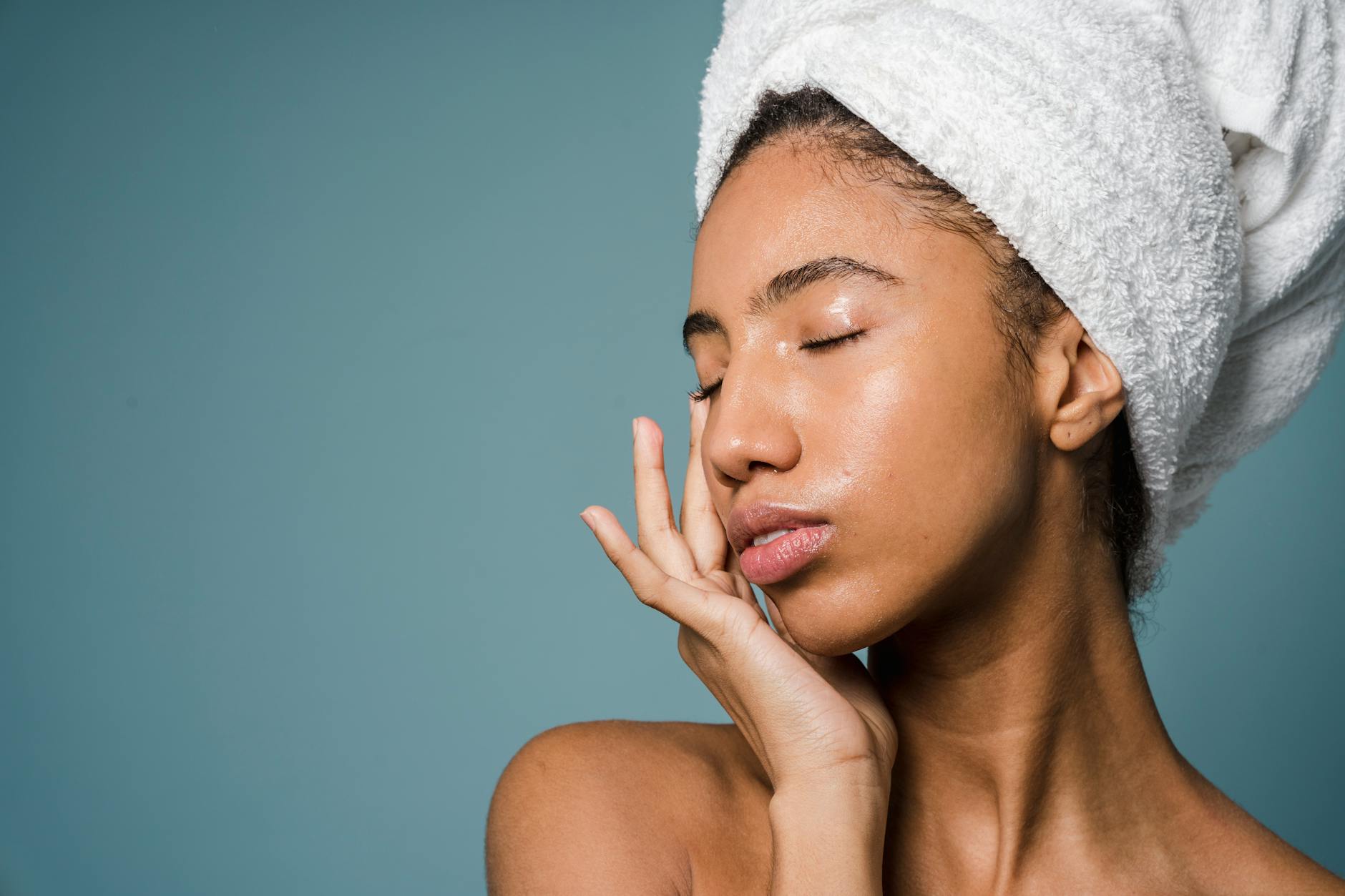
Benzoyl peroxide works the same way on dark skin as it does on lighter complexions — it kills acne-causing bacteria and clears clogged pores — but the side effects hit differently. On melanin-rich skin, the dryness, peeling, and irritation that benzoyl peroxide causes can trigger post-inflammatory hyperpigmentation, leaving dark spots that last months longer than the pimple itself. A person with Fitzpatrick skin type V who slathers on a 10% benzoyl peroxide wash without building up tolerance may trade a week-long breakout for six months of stubborn dark marks, which is exactly the opposite of what they were trying to accomplish.
The ingredient itself does not bleach dark skin in a permanent or structural way, despite persistent rumors. What it can do is cause temporary lightening or discoloration in the immediate area where it’s applied, especially at higher concentrations, and it will absolutely bleach your pillowcases and towels. The real concern for darker skin tones isn’t the benzoyl peroxide molecule itself — it’s the inflammatory response that follows misuse. This article covers how benzoyl peroxide interacts with melanin-rich skin, the concentration and formulation choices that matter most, how to layer it with hyperpigmentation treatments, and what alternatives exist when benzoyl peroxide causes more problems than it solves.
Table of Contents
- How Does Benzoyl Peroxide Affect Melanin-Rich Skin Differently?
- Why Concentration Matters More for Darker Complexions
- Combining Benzoyl Peroxide With Hyperpigmentation Treatments
- Short-Contact Therapy Versus Leave-On Products for Dark Skin
- When Benzoyl Peroxide Is the Wrong Choice for Dark Skin
- The Fabric Bleaching Problem and Practical Workarounds
- Emerging Alternatives and the Future of Acne Treatment on Dark Skin
- Conclusion
- Frequently Asked Questions
How Does Benzoyl Peroxide Affect Melanin-Rich Skin Differently?
Benzoyl peroxide is an oxidizing agent. It penetrates the follicle, releases oxygen, and creates an inhospitable environment for Cutibacterium acnes, the anaerobic bacteria behind inflammatory acne. This mechanism is identical regardless of skin tone. Where the divergence happens is in the skin’s response to the irritation that comes along for the ride. Melanocytes in darker skin are larger, more active, and more reactive to inflammation. When benzoyl peroxide strips the moisture barrier and causes contact irritation — redness, flaking, tightness — those same melanocytes can go into overdrive and dump excess melanin into the surrounding tissue. On lighter skin, this overproduction may be invisible. On skin types IV through VI, it shows up as conspicuous dark patches that can take anywhere from three months to over a year to fade without intervention.
There’s a second mechanical issue that rarely gets discussed. Benzoyl peroxide causes significant dryness and surface peeling. On darker skin tones, dry flaking skin creates an ashy, grayish appearance that’s cosmetically distressing and socially noticeable in ways it simply isn’t on pale skin. This isn’t a medical concern, but it’s a real-world quality-of-life issue that drives a lot of people to abandon treatment prematurely. A dermatologist at Howard University surveyed patients and found that cosmetic acceptability — how a treatment looks on the skin day to day — was the single biggest predictor of whether Black patients stuck with their acne regimen, more than efficacy or cost. The good news is that benzoyl peroxide does not damage melanocytes or cause permanent depigmentation the way hydroquinone at high concentrations or certain chemical peels can. Any lightening effect from benzoyl peroxide is superficial and temporary, related to the oxidizing effect on dead surface skin cells rather than any action on melanin production. Once you stop using it and the skin barrier recovers, your natural skin tone returns. The risk isn’t permanent damage — it’s the temporary but prolonged hyperpigmentation from the inflammatory process.

Why Concentration Matters More for Darker Complexions
Most over-the-counter benzoyl peroxide products come in 2.5%, 5%, or 10% concentrations. The clinical evidence consistently shows that 2.5% benzoyl peroxide kills roughly the same amount of acne bacteria as 10%, but with significantly less irritation. A landmark study published in the Journal of the American Academy of dermatology found no statistically significant difference in bacterial reduction between the three concentrations after two weeks of use. The difference was entirely in side effects — redness, peeling, and dryness scaled almost linearly with concentration. For someone with type II skin, the extra irritation from a 10% product might mean a few days of visible flaking. For someone with type V or VI skin, that same irritation can trigger a hyperpigmentation cascade that outlasts the acne by months. However, if your acne is primarily on the chest or back — areas where the skin is thicker and less reactive than the face — a higher concentration may be reasonable even on darker skin. Body skin tolerates benzoyl peroxide better than facial skin, and truncal acne tends to be more stubborn and deeply rooted. A 5% benzoyl peroxide wash used on the back for 60 to 90 seconds before rinsing delivers meaningful antibacterial action without the prolonged contact that causes facial irritation.
The key distinction is contact time. Leave-on products at high concentrations are the biggest offenders for triggering PIH. Short-contact washes, even at higher percentages, cause substantially less barrier disruption because the product doesn’t sit on the skin long enough to provoke a full inflammatory response. The formulation vehicle matters as well. Benzoyl peroxide in a cream base tends to be more occlusive and can trap irritants against the skin. Gel formulations are lighter but often contain alcohol, which compounds dryness. Water-based gels or micronized benzoyl peroxide formulations — where the active ingredient particles are smaller and more evenly distributed — tend to deliver better tolerability. Brands like Neutrogena’s stubborn acne line and the prescription product Epsolay use micronized technology specifically to reduce irritation while maintaining efficacy. For darker skin tones, seeking out these formulations isn’t a luxury preference — it’s a practical strategy to avoid the hyperpigmentation trap.
Combining Benzoyl Peroxide With Hyperpigmentation Treatments
One of the biggest mistakes people with dark skin make is treating acne and hyperpigmentation as separate problems with separate routines. They’ll use benzoyl peroxide in the morning and layer on a brightening serum at night without considering how these actives interact. Benzoyl peroxide is a potent oxidizer. Vitamin C, one of the most popular brightening ingredients, is an antioxidant. Using them in close sequence can deactivate the vitamin C before it has a chance to work. Applying benzoyl peroxide and then following with retinol in the same routine can amplify irritation to the point where you generate more dark spots than you clear. The practical approach that most dermatologists who specialize in skin of color recommend is temporal separation.
Benzoyl peroxide as a short-contact wash in the morning — apply for one to two minutes, then rinse — followed by a non-irritating moisturizer and sunscreen. In the evening, use your hyperpigmentation actives: azelaic acid, niacinamide, tranexamic acid, or a retinoid. Azelaic acid at 15% to 20% is particularly well-suited for this because it treats both acne and PIH simultaneously, and it’s one of the few actives that’s been specifically studied in darker skin populations with strong safety data. A patient using 2.5% benzoyl peroxide wash in the morning and 15% azelaic acid at night can address active breakouts and existing dark marks without the irritation spiral that layering multiple harsh products creates. If you’re already dealing with significant post-inflammatory hyperpigmentation from acne, adding benzoyl peroxide to your routine requires extra caution. Start with the lowest concentration, use it as a wash rather than a leave-on, and apply it only every other day for the first two weeks. Monitor not just for redness — which is harder to see on dark skin — but for tightness, stinging, excessive dryness, or any darkening around the areas you’re treating. Darkening is your signal that the inflammatory response is outpacing the acne-clearing benefit, and you need to either reduce frequency, reduce concentration, or switch approaches entirely.
Short-Contact Therapy Versus Leave-On Products for Dark Skin
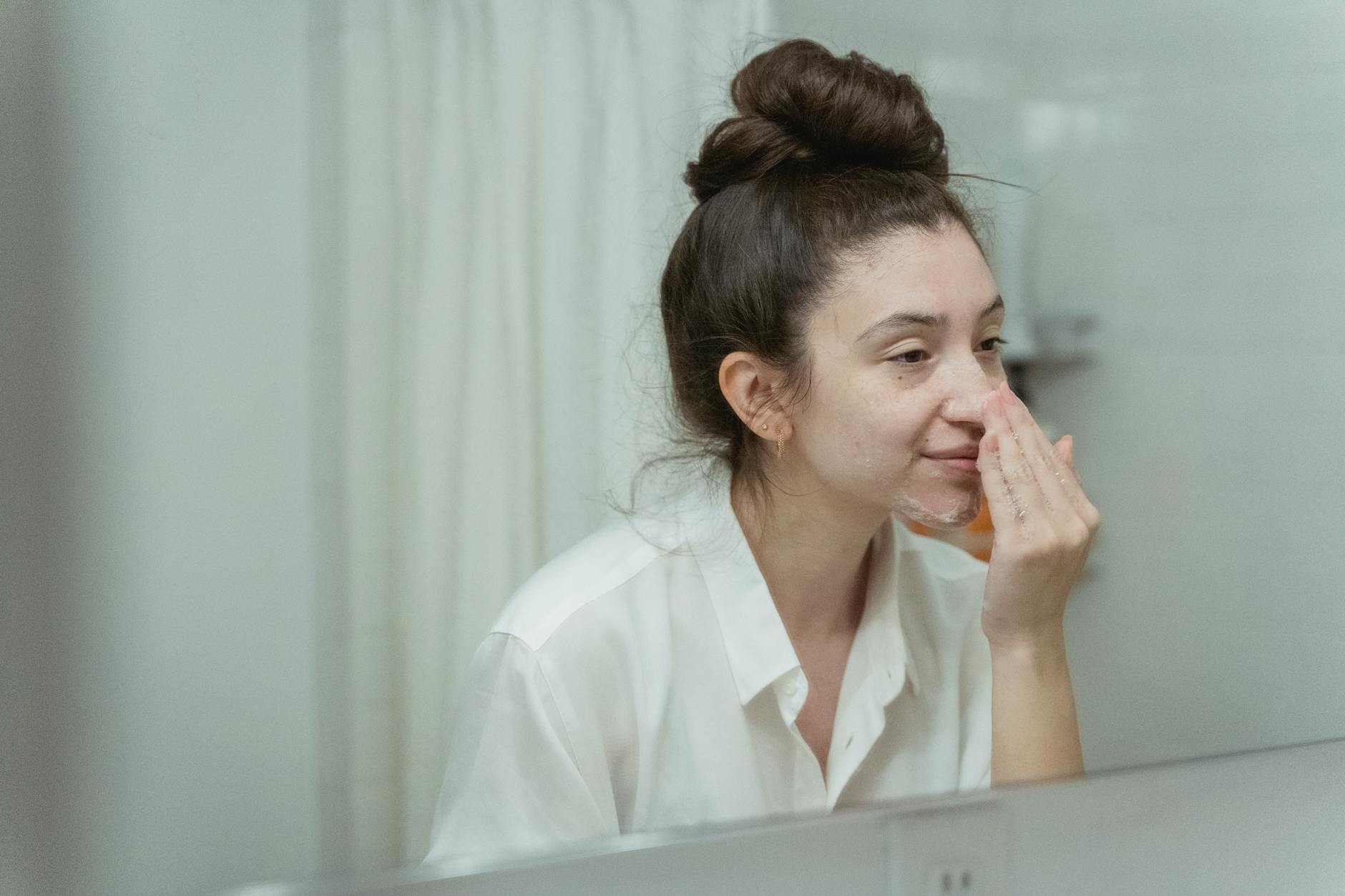
The single most actionable change someone with dark skin can make to their benzoyl peroxide routine is switching from a leave-on product to a short-contact wash. Leave-on benzoyl peroxide — creams, gels, and lotions that stay on the skin all day or overnight — deliver continuous antibacterial action but also cause continuous barrier disruption. Short-contact therapy involves applying a benzoyl peroxide cleanser or wash to dry skin, leaving it on for 30 seconds to two minutes, then rinsing thoroughly. Studies show that short-contact benzoyl peroxide retains about 70% to 80% of the antibacterial efficacy of leave-on formulations while reducing irritation by roughly half. The tradeoff is real but manageable.
Leave-on products work faster and clear severe acne more aggressively. If you have cystic acne that’s actively scarring, the risk-benefit calculation might favor a leave-on benzoyl peroxide product even with the hyperpigmentation risk, because cystic acne itself causes PIH and scarring that’s far worse. In that scenario, pairing a leave-on benzoyl peroxide with a barrier-supporting moisturizer — ceramide-based products like CeraVe or Vanicream — and a broad-spectrum sunscreen can mitigate some of the irritation while the benzoyl peroxide does its aggressive work. But for mild to moderate acne on dark skin, short-contact therapy is almost always the better starting point. You can always escalate to a leave-on product if the wash isn’t sufficient. Going the other direction — starting with a harsh leave-on and trying to backtrack after hyperpigmentation has already set in — is a much worse position to be in.
When Benzoyl Peroxide Is the Wrong Choice for Dark Skin
Benzoyl peroxide isn’t always the answer, and for some people with darker complexions, it may never be the right tool. If you have a history of keloid scarring, your skin is already demonstrating an exaggerated healing response, and adding a known irritant to the mix increases the risk of complications that go beyond surface discoloration. Similarly, if your primary concern is post-inflammatory hyperpigmentation rather than active breakouts, benzoyl peroxide serves no purpose — it doesn’t treat existing dark spots and may create new ones. You’d be better served by a dedicated pigment-correction routine built around ingredients like tranexamic acid, kojic acid, or prescription-strength retinoids. Eczema-prone skin and benzoyl peroxide are a particularly bad combination regardless of skin tone, but the consequences are worse on darker skin. Benzoyl peroxide annihilates the moisture barrier, and eczema-prone skin already has a compromised barrier with insufficient ceramide production.
The resulting flare can cause widespread hyperpigmentation across large areas rather than the small, localized spots acne typically leaves behind. If you have both acne and eczema — which is more common than people realize, especially in adults — a dermatologist can prescribe alternatives like topical dapsone or clindamycin that treat acne without the barrier destruction. There’s also the question of contact allergy. True allergic contact dermatitis to benzoyl peroxide affects roughly 1% to 2% of users, but the reaction looks different on dark skin. Instead of the obvious red, blistering rash you see in textbook photos, allergic reactions on darker skin often present as widespread darkening, swelling, and intense itching without visible redness. If benzoyl peroxide consistently makes your skin darker in the area of application or causes swelling that seems disproportionate to the concentration you’re using, stop immediately. This isn’t irritation that you can push through with a lower dose — it’s an immune response, and continued exposure makes it worse.
The Fabric Bleaching Problem and Practical Workarounds
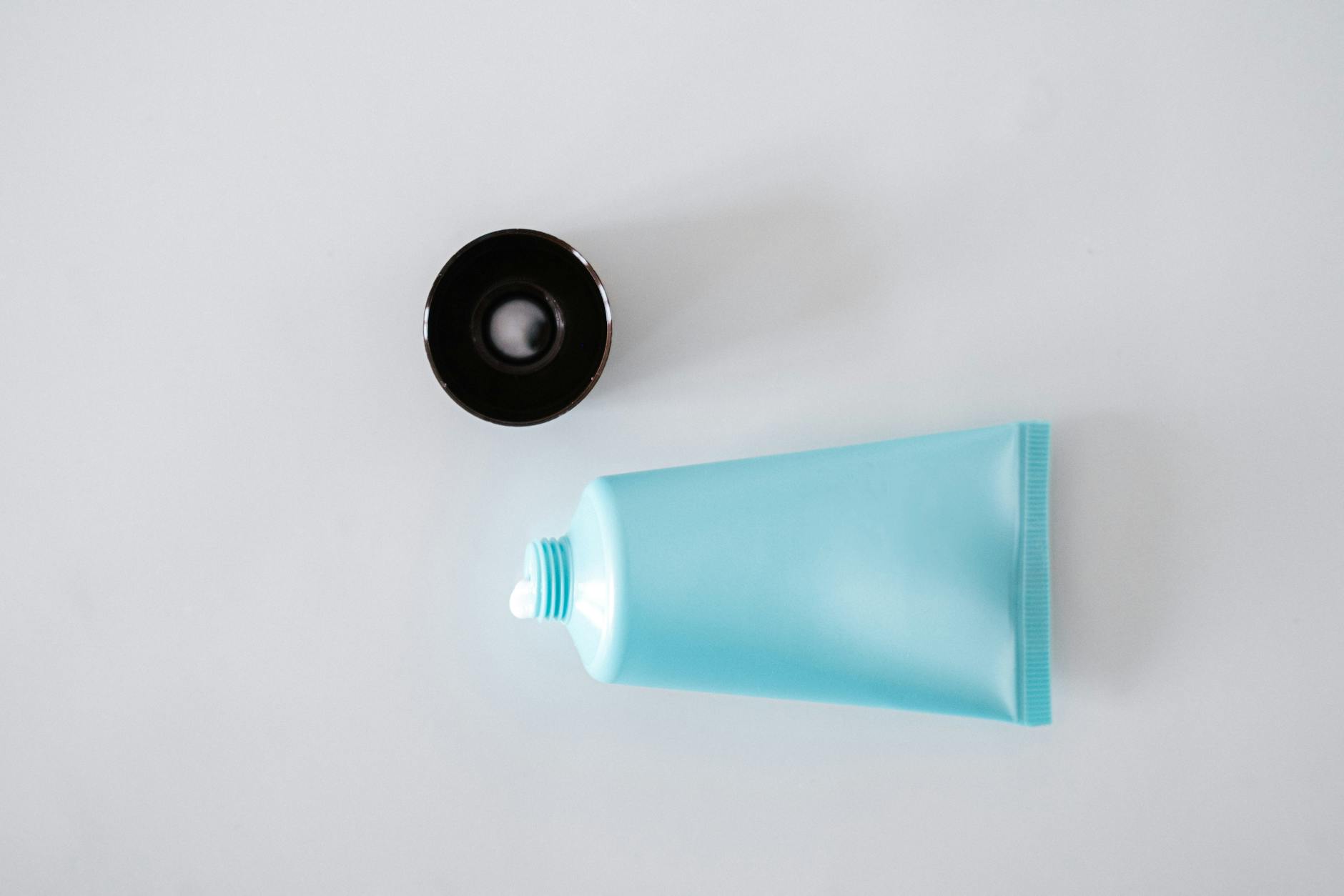
Benzoyl peroxide will bleach any fabric it contacts, and this problem is unavoidable regardless of concentration. Pillowcases, towels, washcloths, shirt collars, and even the neckline of dark clothing are all at risk. For people with darker skin tones who tend to favor darker clothing, this side effect is more than a minor nuisance — it can ruin a wardrobe. The oxidizing action that kills bacteria also strips dye from textiles, and it happens faster than most people expect.
Even residual benzoyl peroxide left on supposedly rinsed skin can transfer to fabric and leave permanent bleach marks. The practical solution is to designate white towels and white or light-colored pillowcases for your acne routine. Some people apply benzoyl peroxide early in the evening, let it absorb for several hours, and then wash their face again before bed to reduce transfer. Others use a thin barrier layer of moisturizer after the benzoyl peroxide has dried, which doesn’t stop the bleaching chemistry but does reduce how much product transfers to fabric. If you use benzoyl peroxide on your chest or back, wearing a cheap white undershirt to bed saves your sheets and your good clothes.
Emerging Alternatives and the Future of Acne Treatment on Dark Skin
The dermatology field is slowly reckoning with the fact that most acne treatment protocols were developed and tested predominantly on lighter skin, and the push toward skin-of-color-specific research is producing better options. Azelaic acid is gaining ground as a first-line treatment for acne in darker complexions because it addresses both bacteria and pigmentation without the irritation profile of benzoyl peroxide. The FDA-approved prescription retinoid trifarotene, marketed as Aklief, was tested in one of the most diverse clinical trial populations of any acne drug and showed strong results across skin types with lower irritation than older retinoids.
Bacterial resistance remains the primary argument in favor of benzoyl peroxide — bacteria cannot develop resistance to an oxidizer the way they can to antibiotics like clindamycin or erythromycin. This means that for long-term acne management, benzoyl peroxide still plays an important role even for darker skin, ideally as a short-contact wash used to prevent antibiotic resistance when paired with a topical antibiotic. The future likely isn’t abandoning benzoyl peroxide for dark skin but refining how it’s delivered — lower concentrations, micronized particles, better vehicle formulations, and clearer guidance from dermatologists who understand the hyperpigmentation risk that defines the dark-skin experience with this ingredient.
Conclusion
Benzoyl peroxide remains an effective and important acne treatment for every skin tone, including the darkest complexions. The core issue isn’t whether it works — it does — but how to use it without triggering the post-inflammatory hyperpigmentation that melanin-rich skin is especially vulnerable to. The practical playbook is straightforward: start at 2.5%, use short-contact wash formulations before leave-on products, support your moisture barrier with ceramide-based moisturizers, and never skip sunscreen. Separate your acne treatment from your pigment-correction routine, and monitor for darkening as aggressively as you monitor for dryness and peeling.
If you’ve been struggling with benzoyl peroxide — or avoiding it entirely because someone told you it would bleach your skin — the reality is more nuanced than the scare stories suggest. It won’t permanently lighten your natural skin tone, but it can cause temporary dark spots if you use too much, too strong, too often. The goal is finding the minimum effective dose that clears your acne without provoking your melanocytes, and that almost always means lower concentrations and shorter contact times than what the product packaging suggests. If over-the-counter adjustments aren’t enough, a dermatologist with specific experience in skin of color can tailor a regimen that accounts for the unique interplay between acne treatment and pigmentation management that darker-skinned patients navigate.
Frequently Asked Questions
Does benzoyl peroxide permanently bleach dark skin?
No. Benzoyl peroxide does not alter melanin production or permanently lighten skin. Any lightening is superficial and temporary, caused by the oxidizing effect on surface skin cells. Your natural tone returns once the skin barrier heals. The real risk is hyperpigmentation from irritation, which darkens the skin rather than lightening it.
What concentration of benzoyl peroxide is safest for dark skin?
Start with 2.5%. Clinical studies show it kills acne bacteria nearly as effectively as 10% with far less irritation. For darker skin types, the reduced irritation directly translates to lower risk of post-inflammatory dark spots. Only increase concentration if 2.5% proves insufficient after six to eight weeks of consistent use.
Can I use benzoyl peroxide and vitamin C together?
Not at the same time. Benzoyl peroxide is an oxidizer and vitamin C is an antioxidant — they neutralize each other. Use benzoyl peroxide as a morning wash and apply vitamin C serum in the evening, or vice versa, with adequate separation between the two.
Why does benzoyl peroxide make my skin look ashy?
The peeling and dryness caused by benzoyl peroxide create visible flaking that appears gray or ashy on darker skin. This is a cosmetic side effect, not skin damage. Using a heavier moisturizer after the benzoyl peroxide has dried and fully absorbed helps minimize the ashy appearance.
Is benzoyl peroxide or salicylic acid better for dark skin?
Salicylic acid is generally gentler and causes less hyperpigmentation risk, making it a safer first option for mild acne on dark skin. However, benzoyl peroxide is more effective against inflammatory acne and is the only topical that prevents antibiotic resistance. For moderate to severe acne, benzoyl peroxide at a low concentration in a wash formulation is typically more effective than salicylic acid alone.
Should I see a dermatologist before using benzoyl peroxide on dark skin?
If you have a history of severe hyperpigmentation, keloid scarring, or eczema, yes — see a dermatologist before starting benzoyl peroxide. For mild acne without these complicating factors, starting with an over-the-counter 2.5% wash and monitoring your skin’s response over two weeks is a reasonable approach.