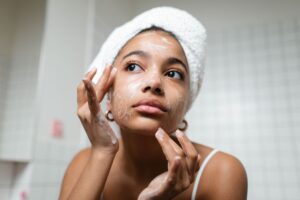
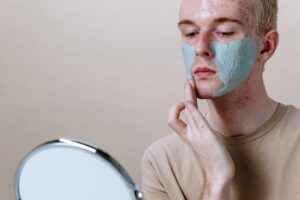
Hims and Hers prescribe a core set of proven acne medications that overlap significantly for both men and women, including tretinoin, clindamycin, spironolactone (for women), and oral antibiotics like doxycycline. The platform pairs these with niacinamide-based cleansers and moisturizers through its dermatology consultation service, where a licensed provider reviews your skin concerns and builds a regimen around prescription-strength topicals or, when warranted, oral treatments. A man dealing with persistent jawline breakouts might receive a custom tretinoin-clindamycin cream, while a woman with hormonal cystic acne along her chin could be prescribed spironolactone alongside the same topical combination.
What separates the Hims side from the Hers side is less about the medications themselves and more about how hormonal factors shape the prescribing approach. Women have access to spironolactone, an anti-androgen pill that men cannot safely take, while men are more likely to be steered toward stronger retinoid concentrations or oral antibiotics as a first line. This article breaks down the specific prescriptions available on each platform, how the consultation process works, the limitations you should know about before signing up, and how these telehealth options compare to seeing a dermatologist in person.
Table of Contents
- What Exactly Do Hims and Hers Prescribe for Acne?
- How Hormonal Differences Shape Acne Treatment on Each Platform
- The Custom Compound Creams and What Is Actually in Them
- Hims vs. Hers Acne Treatment Compared to a Traditional Dermatologist Visit
- Common Pitfalls and Limitations of the Telehealth Acne Model
- What About Over-the-Counter Products from Hims and Hers?
- Where Telehealth Acne Treatment Is Heading
- Conclusion
- Frequently Asked Questions
What Exactly Do Hims and Hers Prescribe for Acne?
Both Hims and Hers operate under the same parent company, Hims & Hers Health, and draw from the same formulary of FDA-approved acne treatments. The topical prescriptions most commonly dispensed include tretinoin (a vitamin A derivative that accelerates cell turnover), clindamycin (a topical antibiotic that kills acne-causing bacteria), and azelaic acid (which reduces inflammation and hyperpigmentation). These are often compounded into a single custom cream, so instead of layering three separate products, you apply one formulation at night. The specific concentrations vary based on the provider’s assessment.
Someone with mild comedonal acne might get tretinoin at 0.018% with niacinamide, while a patient with inflammatory papules and pustules might receive tretinoin at 0.025% combined with clindamycin 1%. On the oral side, doxycycline is the most frequently prescribed systemic antibiotic through both platforms. It is typically used as a short-term intervention, around three to four months, to bring moderate-to-severe inflammatory acne under control while topicals take effect. Hers also prescribes spironolactone at doses typically ranging from 50 to 100 milligrams daily for women whose acne is driven by androgen sensitivity, a pattern that usually shows up as deep, painful breakouts concentrated along the lower face and jawline. This medication is not available through Hims because spironolactone has anti-androgenic effects that can cause breast tissue development and hormonal disruption in men.

How Hormonal Differences Shape Acne Treatment on Each Platform
The reason Hims and Hers split their acne approaches has everything to do with the fundamentally different hormonal landscapes driving breakouts in men and women. Male acne tends to be driven by higher baseline testosterone and DHT levels, which enlarge sebaceous glands and increase oil production across the face, chest, and back. Because blocking androgens is not a viable strategy in men, Hims providers lean on topical retinoids to unclog pores and regulate skin cell turnover, combined with antibiotics when inflammation is significant. The treatments work, but they are addressing the downstream effects of oil production rather than the hormonal root cause. Women, on the other hand, often experience acne that waxes and wanes with their menstrual cycle, flaring in the luteal phase when progesterone rises and converts partially to androgens.
This is where spironolactone becomes a genuine advantage on the Hers side. By blocking androgen receptors in the skin, it reduces oil production at the source rather than just managing what happens after pores are already clogged. However, if you are pregnant, planning to become pregnant, or have low blood pressure or kidney issues, spironolactone is off the table. Providers on Hers will screen for these contraindications, but the screening happens through an asynchronous questionnaire, not bloodwork. This means you need to be honest and thorough in your intake form, because the provider is making prescribing decisions based entirely on what you report.
The Custom Compound Creams and What Is Actually in Them
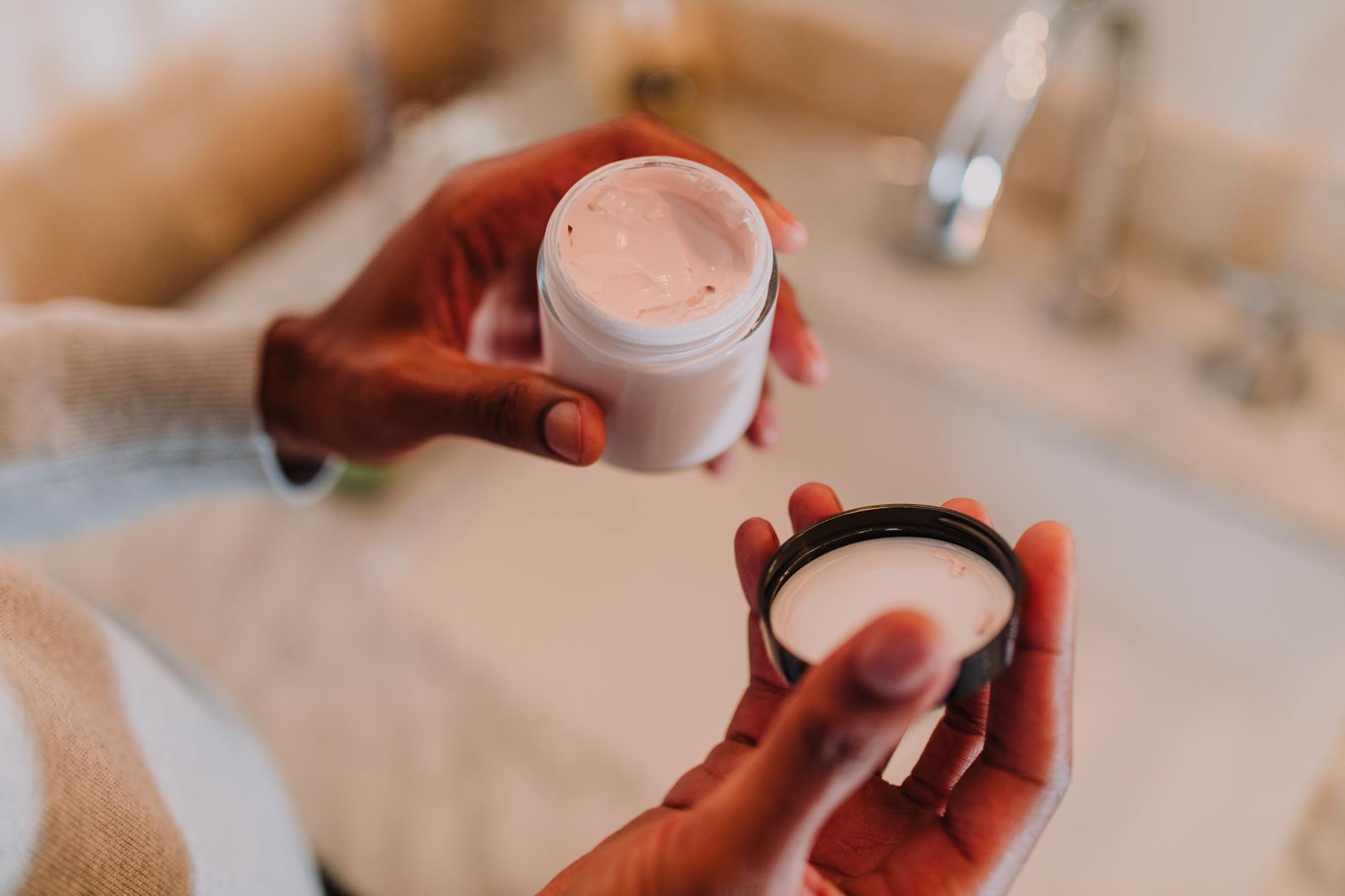
One of the more distinctive aspects of the Hims and Hers acne offering is the custom compounded topical cream, which the company markets heavily. Rather than prescribing off-the-shelf tretinoin gel and a separate tube of clindamycin lotion, the affiliated pharmacy blends multiple active ingredients into a single base. A typical formulation might contain tretinoin 0.02%, clindamycin 1%, and niacinamide 4% in one cream. The appeal is obvious: one product, one step, applied once at night. For someone who has tried and failed to maintain a multi-product routine, the simplicity can be the difference between actually using the treatment and letting it collect dust on the bathroom counter.
The tradeoff is flexibility. With individual prescriptions, a dermatologist can titrate one ingredient up while keeping another steady. If you are peeling heavily from tretinoin but your bacterial load is under control, you can drop the clindamycin and lower the retinoid dose independently. With a compounded cream, changing one ingredient means reformulating the whole thing and waiting for a new shipment. There is also the question of stability. Some dermatologists have raised concerns about whether active ingredients in compounded formulations maintain the same potency and penetration characteristics as their commercially manufactured counterparts, since compounding pharmacies operate under different regulatory oversight than large pharmaceutical manufacturers.
Hims vs. Hers Acne Treatment Compared to a Traditional Dermatologist Visit
The most practical question for anyone considering Hims or Hers for acne is whether the telehealth consultation delivers results comparable to sitting in a dermatologist’s office. On cost, the telehealth platforms have a clear advantage. Hims charges roughly 30 to 40 dollars per month for a subscription that includes the consultation, the compounded prescription, and shipping. A dermatologist visit with insurance can run 30 to 75 dollars as a copay, plus the cost of individual prescriptions at the pharmacy, which can easily total 60 to 150 dollars monthly depending on your coverage and the medications prescribed. Without insurance, the gap widens further since an initial dermatology appointment can cost 150 to 300 dollars out of pocket.
Where traditional dermatology pulls ahead is in diagnostic accuracy and treatment range. A board-certified dermatologist can physically examine your skin, distinguish between acne and conditions that mimic it like rosacea, folliculitis, or perioral dermatitis, and prescribe the full spectrum of treatments including isotretinoin, intralesional cortisone injections, and procedural interventions like chemical peels or laser therapy. Hims and Hers cannot prescribe isotretinoin, which remains the most effective treatment for severe, scarring, or treatment-resistant acne. If you have tried multiple topical and oral regimens without success, a telehealth platform is not equipped to take the next step. It is best suited for mild to moderate acne in patients who have a reasonably clear understanding of their skin condition and want a convenient, affordable way to access prescription-strength products.
Common Pitfalls and Limitations of the Telehealth Acne Model
The asynchronous consultation model used by Hims and Hers means you are typically filling out a questionnaire and uploading photos rather than having a live conversation with a provider. This creates several blind spots. Photo quality varies enormously. A blurry image taken in warm bathroom lighting can make inflammatory acne look milder than it is, potentially leading to an underpowered prescription. Conversely, harsh flash photography can make normal skin texture look pathological.
The providers reviewing these submissions are licensed, but they are working with limited information and often managing high patient volumes. Another limitation worth flagging is the subscription model itself. Hims and Hers are structured around recurring monthly shipments, which makes sense for maintenance therapy but can feel like a treadmill if your acne has cleared and you want to step down treatment. Canceling a subscription is possible but not always intuitive, and some users have reported continued charges after they believed they had canceled. Before signing up, it is worth understanding exactly how the billing cycle works and what the cancellation process entails. Additionally, if your skin reacts badly to a compounded formulation, getting a timely adjustment can be slower than calling your dermatologist’s office, since follow-up communication on these platforms typically happens through messaging with response times that range from hours to a couple of days.
What About Over-the-Counter Products from Hims and Hers?
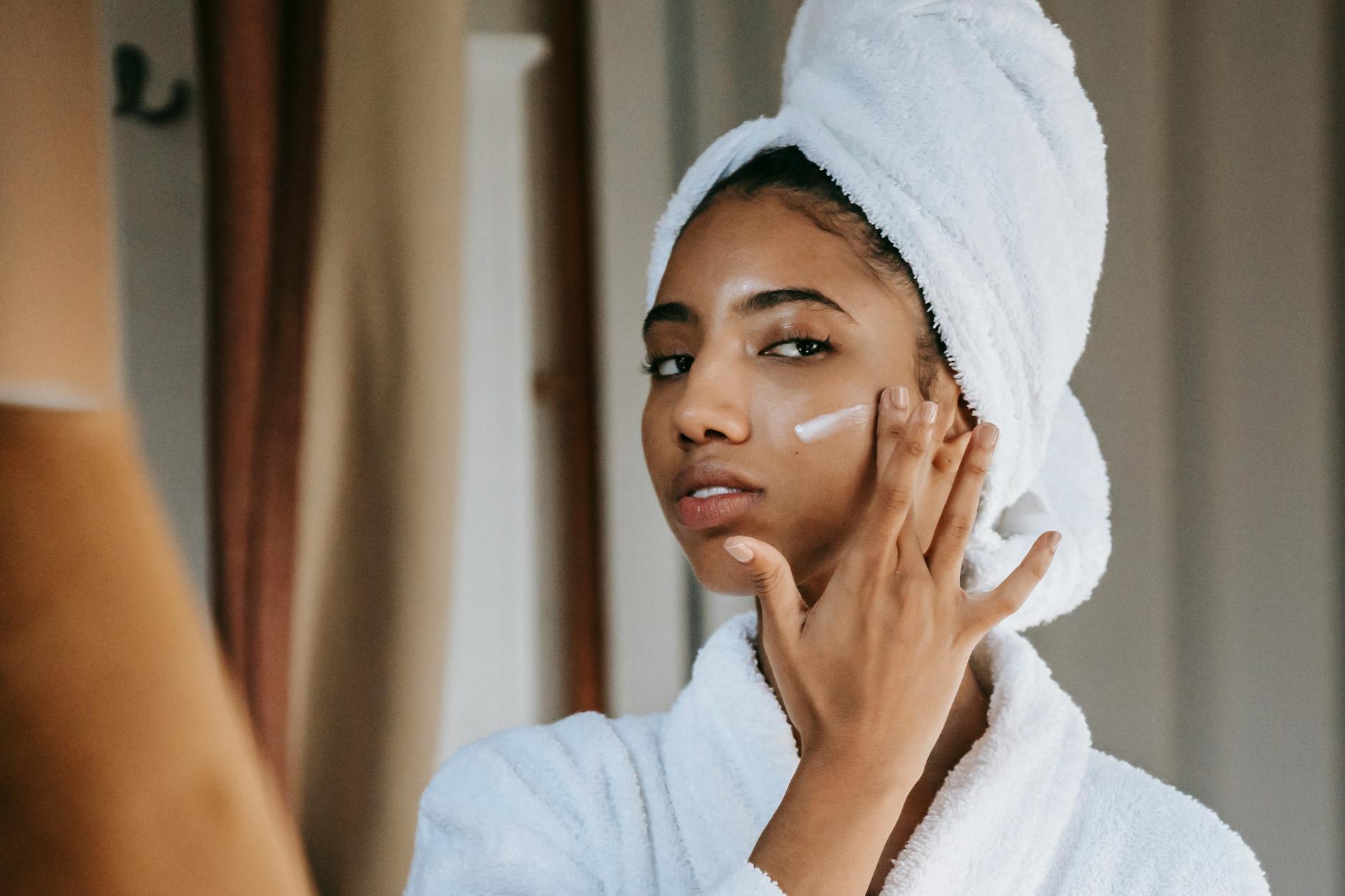
Beyond prescriptions, both platforms sell their own lines of over-the-counter skincare, including cleansers, moisturizers, and acne patches. The Hers acne wash contains salicylic acid at 2%, a standard concentration found in most drugstore acne cleansers. The Hims equivalent uses a similar approach.
These products are fine but unremarkable. You can find equivalent formulations from CeraVe, La Roche-Posay, or Neutrogena at lower price points without a subscription. Where the bundled OTC products do add value is in simplicity. If you genuinely do not want to research or comparison shop for a cleanser and moisturizer, having them arrive alongside your prescription in a single box removes one more barrier to actually following through on a routine.
Where Telehealth Acne Treatment Is Heading
The telehealth dermatology space is evolving quickly, and Hims and Hers are not standing still. The company has been expanding its compounding capabilities and exploring new active ingredient combinations, including formulations that incorporate topical spironolactone for women who want the anti-androgen benefit without the systemic side effects of the oral version. AI-assisted skin analysis tools are also being integrated into intake processes across telehealth platforms, which could improve diagnostic accuracy by standardizing how photos are evaluated rather than leaving it to variable image quality and individual provider interpretation.
The broader trend points toward telehealth acne services becoming a legitimate first stop for straightforward cases, with clearer triage pathways to in-person dermatology when the situation calls for it. For now, the best approach is to think of Hims and Hers as one tool in a broader toolkit. They do well for people who need accessible, affordable prescriptions for garden-variety acne. They do not replace a full dermatologic evaluation for anyone dealing with scarring, severe cystic disease, or acne that has not responded to standard topical and oral therapies.
Conclusion
Hims and Hers offer a streamlined path to prescription acne treatment that works well for mild to moderate cases in both men and women. The core medications, tretinoin, clindamycin, doxycycline, and spironolactone for women, are the same evidence-based options any dermatologist would consider. The convenience and cost savings are real, particularly for people without insurance or those who face long wait times for dermatology appointments. The custom compound creams simplify application, and the subscription model keeps products arriving without the need to remember pharmacy refills.
That said, these platforms are not a substitute for thorough dermatologic care when the situation demands it. If your acne is severe, scarring, or resistant to the standard treatments that Hims and Hers can prescribe, you need an in-person evaluation and potentially isotretinoin or procedural treatment. Start by being honest with yourself about the severity of your acne. For the many people whose breakouts fall in the mild to moderate range and who want a practical, low-friction way to start prescription treatment, either platform is a reasonable place to begin.
Frequently Asked Questions
Can men use Hers or women use Hims for acne treatment?
Each platform is designed for its respective demographic, and the intake forms and prescribing protocols reflect that. Men should use Hims and women should use Hers, primarily because Hers includes screening for hormonal treatments like spironolactone that are only appropriate for women, while Hims focuses on approaches suited to male hormonal profiles.
Does Hims or Hers prescribe isotretinoin (Accutane)?
No. Neither platform prescribes isotretinoin. This medication requires in-person monitoring, regular blood tests, and for women, enrollment in the iPLEDGE pregnancy prevention program. You will need to see a dermatologist in person for isotretinoin.
How long does it take to see results from Hims or Hers acne treatment?
Most users begin noticing improvement within 6 to 12 weeks, though retinoid-based treatments often cause a temporary worsening known as purging during the first 2 to 4 weeks as clogged pores come to the surface. Full results from spironolactone in women typically take 3 to 6 months.
Is the custom compound cream better than using separate prescription products?
Not necessarily better in terms of efficacy, but often better for adherence. The single-product approach removes the complexity of layering multiple treatments. The downside is less flexibility to adjust individual ingredient concentrations without reformulating the entire cream.
Can I use Hims or Hers acne products if I am pregnant or breastfeeding?
No. Tretinoin and spironolactone are both contraindicated in pregnancy. If you are pregnant, planning to become pregnant, or breastfeeding, you should not use these prescriptions and must disclose this during the intake process. A provider can discuss pregnancy-safe alternatives like azelaic acid.